
Osiris isn’t just a name from ancient mythology; he’s a symbol of life, death, and rebirth that resonates even today. As the revered god of afterlife, resurrection, and fertility from ancient Egypt, Osiris teaches profound lessons about the cycles of existence. His captivating tale reminds us of resilience amidst loss, which mirrors our own fitness and wellness journeys. So let’s dive into the intriguing world of Osiris and explore how his influence still echoes within our lives today.

7 Fascinating Facts About Osiris and His Influence in Ancient Egypt
1. Mythological Origins of Osiris
Osiris is steeped in a story full of betrayal, death, and ultimately, rebirth. After being slain by his jealous brother Set, Osiris’s resurrection at the hands of his devoted wife, Isis, paints a vivid picture of sacrifice and renewal. This tale reflects not only his divine purpose but also mirrors nature’s own cycles—planting, dying, and growing again. In many ways, Osiris’s journey parallels our commitment to personal growth and overcoming obstacles in life.
2. Symbolism of the Green Skin
Often depicted with green skin, Osiris stands as a symbol of regeneration. This distinctive hue links him to nature, fertility, and the agricultural rejuvenation that the ancient Egyptians cherished. His connection to fertility sheds light on the importance of nurturing both our bodies and minds, reminding us to cultivate our own health and wellness journeys. Similar to how the Earth breathes life into crops after a period of dormancy, we too can revitalize our spirits.
3. The Weighing of the Heart Ceremony
One of the most compelling stories associated with Osiris is the Weighing of the Heart ceremony. In this ritual, the heart of the deceased is weighed against the feather of Ma’at, symbolizing truth and justice. If the heart is lighter than the feather, the soul can embark on its journey to the afterlife. This ceremony emphasizes moral integrity—living ethically and courageously, a principle that aligns with the essence of healthy living.
4. Temples and Worship Practices
The most renowned temple dedicated to Osiris was found in Abydos, a central hub for pilgrimage. Thousands flocked to the annual festival, focusing on community and spiritual connection. The majestic murals and artifacts in temples depicted Osiris’s journey, intertwining culture and daily life. These connections remind us of the power of community in our fitness journeys. Just like ancient Egyptians, we too thrive when gathering with others who share our passions.
5. Osiris and the Resurrection Theme in Literature
The theme of resurrection is not exclusive to Osiris; it echoes throughout literature and myth. Much like Prometheus, who defied the gods to benefit humanity, Osiris’s return from the dead defies mortality. Contemporary tales, like those in Neil Gaiman’s “American Gods”, touch upon these universal themes, showcasing how stories evolve yet remain significant across time. This narrative of resurrection encourages us to push through our challenges, emerging triumphant just like Osiris.
6. Comparative Analysis: Osiris vs. Mythical Beings like the Minotaur
While Osiris embodies life and hope, the Minotaur symbolizes chaos and danger lurking in darkness. Both figures highlight struggles inherent in the human experience—whether it’s confronting death or overcoming fears. Osiris’s resurrection reminds us that even in chaos, there’s potential for renewal. This juxtaposition can inspire us to dive deeper into our own lives, seeking balance between challenges and growth.
7. Osiris’s Legacy in Modern Spirituality
Even today, the essence of Osiris garners respect in modern spiritual practices. His narrative illustrates rebirth, resembling figures like Prometheus, who inspire transformation and renewal. Many New Age beliefs and movements, such as Wicca, draw inspiration from Osiris, showcasing how ancient wisdom continues to thrive. This enduring relevance is vital, encouraging mindfulness and holistic approaches in our lives, as we strive for physical and emotional wellness.
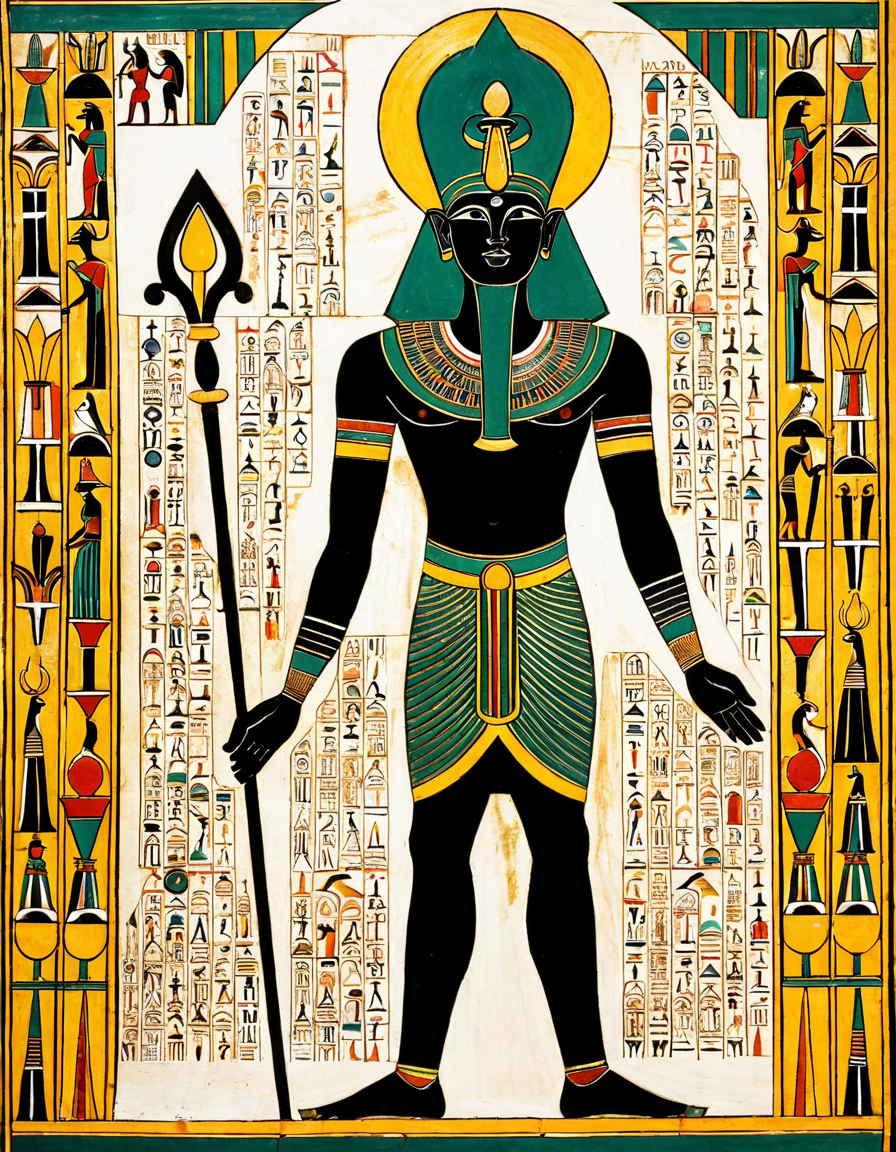
The Intersection of Osiris and Themes of Resurrection Across Cultures
Themes surrounding Osiris—death, rebirth, and resurrection—are not limited to ancient Egypt. They weave through countless cultures and mythologies. For instance, the tale of Mithras in Zoroastrianism captures the struggle of light overcoming darkness, akin to Osiris’s resurrection. These narratives emphasize the cyclical nature of both existence and renewal.
Moreover, spiritual figures like Osiris shape our understanding of mortality, encouraging us to construct a narrative that embraces life’s transitions. Whether through literature, art, or personal exploration, awareness of these stories enriches our experiences, reflecting our quest for purpose and vitality. Resilience shines through, as across cultures, we navigate life’s challenges and triumphs together.
Final Thoughts: Osiris in the Modern Era
In our contemporary context, Osiris remains a powerful figure, embodying life, death, and rebirth. His story encourages deep reflection about how we perceive mortality and transformation. When exploring his evolution alongside beings such as Prometheus and the legendary Minotaur, we unveil the myriad complexities of human experience.
As we engage with these age-old narratives, we discover truths that propel us toward understanding and growth. Whether in literature, faith, or personal endeavors, Osiris epitomizes our journey toward meaning and transformation. Just as ancient Egyptians once found strength in his myths, we too can foster resilience and cultivate hope on our winding paths to health and life satisfaction.
In conclusion, let’s remember the lessons of Osiris as we navigate our own fitness journeys—embracing resilience, integrity, and community while celebrating the cyclical nature of life. Just like Osiris, we have the potential for renewal!
Osiris: The Powerful God of Afterlife and Resurrection
Fascinating Tidbits About Osiris
Osiris, revered as the god of the afterlife, has an intriguing history that dates back to ancient Egyptian civilization. He was associated with resurrection and rebirth, embodying the cycle of life and death. Interestingly, Osiris wasn’t just a figure of veneration; he was a relatable character in mythology. His story even inspired modern artists and storytellers, echoing themes found in unexpected places like the visceral twists of Dante’s Inferno. Just as Dante navigated the realms of the afterlife, Osiris’s tale represents humanity’s age-old fascination with what lies beyond the grave.
Did you know that Osiris was often depicted with green skin? This wasn’t just a stylistic choice; it symbolized fertility and rebirth. The connection to nature can be seen in various cultural references, much like how Elysium showcases paradise and the afterlife in cinematic experiences. Osiris’s influence rippled through art and culture, even finding its way into pop culture phenomena. You can observe similar themes in stories like Trading Places, where unexpected twists bring characters to new, transformative experiences.
Osiris and His Legacy
Despite being a powerful entity, Osiris faced challenges, including betrayal by his own brother, Set. This conflict embodies the struggle to maintain life and hope amidst chaos, a theme that resonates with today’s audiences. Beyond mythology, Osiris also sparks discussions about life’s complexities and intimate relationships—topics that have sparked interest in modern contexts, like exploring weird sexual Positions. His dual nature as a symbol of life and death underscores a profound human experience, invoking contemplation about love, loss, and resurrection.
Osiris’s role in Egyptian mythology goes beyond mere tales; it reflects the values and beliefs of an ancient civilization. Just as the connects with those searching for meaning, Osiris symbolizes the eternal quest for understanding one’s fate after death. The fascination with this powerful god continues today, stimulating curiosity like the allure of naked Women in art—both provoke thoughts about humanity, existence, and the great unknown.
In many ways, Osiris still resonates with those intrigued by life’s mysteries, leaving an indelible mark on literature, philosophy, and even conversations that echo through generations. Whether discussing the depths of human experience or the trials of the afterlife, Osiris remains a compelling figure engaging hearts and minds in a world that’s constantly evolving.