The Ominous Aura of Salems Lot: Exploring the Masterpiece’s Impact
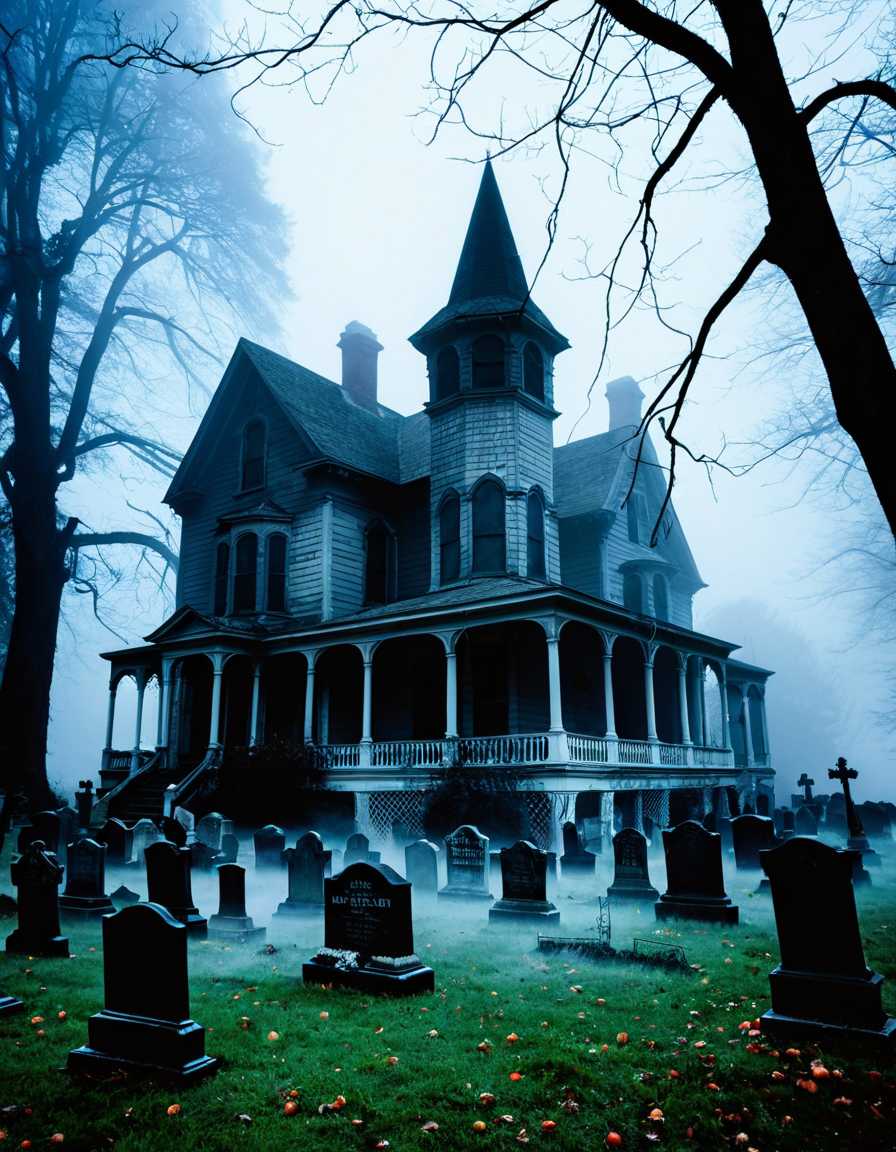
Stephen King’s “Salem’s Lot” debuted in 1975 and quickly became known as one of the most haunting supernatural horror novels of its time. Set in the fictional town of Jerusalem’s Lot in Maine, this chilling tale weaves themes of isolation, fear, and the creeping shadow of evil into everyday life. What makes “Salem’s Lot” stand out among horror literature is its ability to take the ordinary and twist it into something chilling, disrupting the mundane with terrifying implications. This narrative has inspired countless adaptations, influencing multiple creative outlets from television series to films.
The legacy of “Salem’s Lot” reaches far beyond the page, sparking a pivotal shift in the horror genre. It redefined vampires, presenting them not just as monsters but as symbols of real-world issues like addiction and violence. Take a look at modern shows like The Haunting of Hill House and the reboot of The Shining, where themes rooted in King’s work resonate through their narratives. These stories echo the deeper implications of societal fears, creating a ripple effect that extends through contemporary horror.
What’s fascinating is how “Salem’s Lot” encourages us to examine our own humanity. This chilling story compels readers and viewers alike to confront internal fears—a perfect blend of horror and psychological thriller. By revisiting this classic, we’re not just reading a tale of monsters; we’re reflecting on ourselves and what lurks in the shadows of our everyday lives.
Top 7 Influential Themes in Salem’s Lot
In “Salem’s Lot,” evil isn’t just an outside force; it seeps into the very fabric of town life. King’s portrayal of Kurt Barlow, the vampire, serves to strip away the facade, exposing the darkness within humanity, akin to how characters in American Horror Story reveal the duality of human nature.
The overwhelming sense of isolation faced by characters is more relevant today than ever. Just like the community dynamics in Stranger Things, King’s narrative shows how shared fears can bind people together or tear them apart, creating collective horror that resonates deeply with our current lifestyle.
The journey of children like Mark Petrie morphs from innocence to resilient warriors against dark forces. This transformation reflects the theme of lost childhood under trauma, resonating with works like It, where the fears of youth materialize in horrifying ways.
The artful buildup of tension in “Salem’s Lot” grips readers, leaving them on edge. This slow burn of dread has set the tone for modern psychological thrillers like The Haunting of Bly Manor, blurring the lines between fear and emotional strife.
The quaintness of Jerusalem’s Lot clashes dramatically with encroaching evil, reflecting a fear of change. This rural-urban conflict echoes themes seen in films like Get Out, where the environment amplifies underlying tensions.
Memory acts as a haunting backdrop, influencing characters’ motivations. This narrative technique mirrors films like Hereditary, where past traumas shape the present, adding layers of meaning to the storytelling.
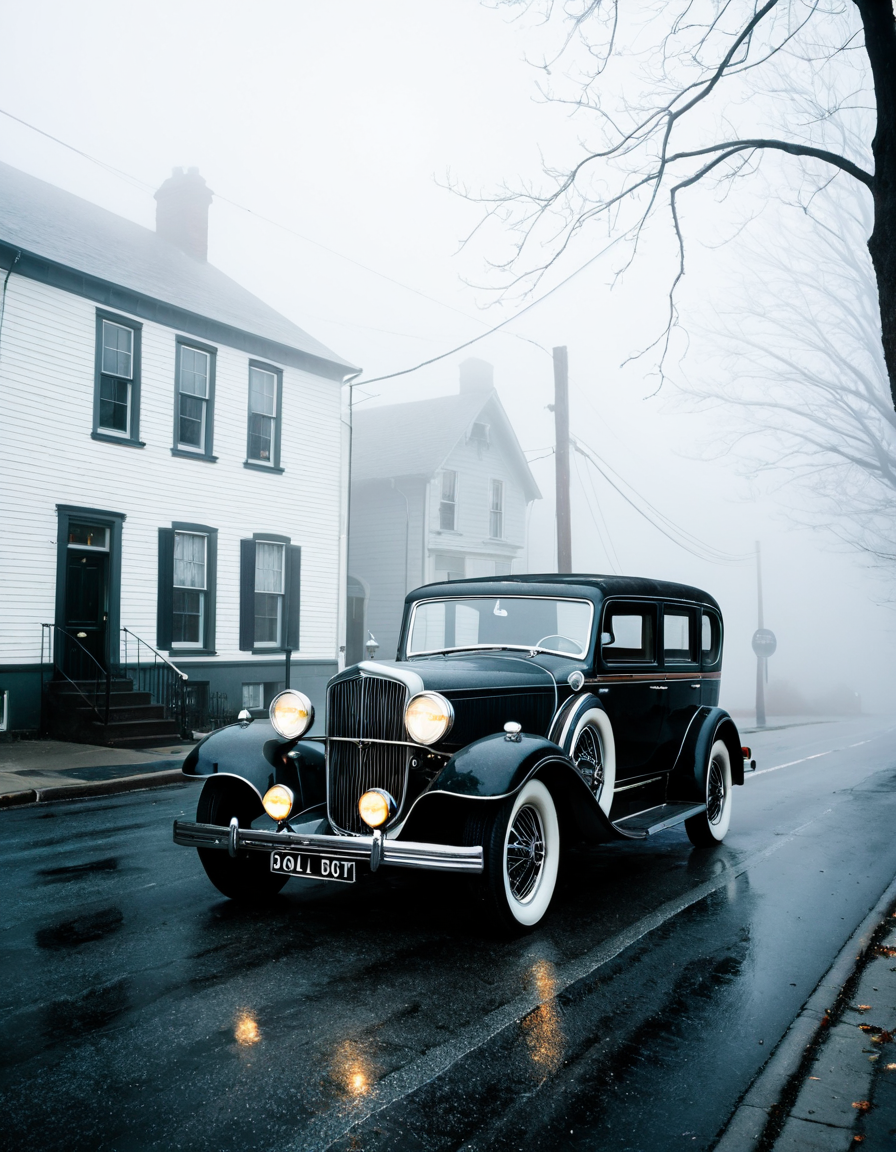
King’s mastery lies in transforming the everyday into the uncanny. For example, the eerie image of a vampire outside a window taps into visceral childhood fears, channeling nightmares similar to those found in The Babadook, turning familiar moments into sources of dread.
The Enduring Adaptations of Salem’s Lot Across Media
“Salem’s Lot” hasn’t just thrived as a book; it’s expanded into multiple adaptations over the years. The 1979 miniseries starring David Soul introduced a new wave of horror enthusiasts to the storyline, paving the way for a plethora of vampire narratives. Fast forward to 2004, and we see a fresh take on the tale that honors King’s original vision while breathing new life into the characters.
Looking to the future, there’s excitement around a 2022 film adaptation, which promises to tackle contemporary issues such as fear-mongering and the impact of social media on communication. This film aims to present a refreshed perspective that both fans and newcomers to “Salem’s Lot” can appreciate, making it resonate even more in today’s society.
Overall, the ability of “Salem’s Lot” to be reinterpreted through different lenses shows its versatility. It proves King’s work is not just a story of horror, but a reflection of societal anxieties that evolve over time.
Current Cultural Relevance of Salem’s Lot
Today, with growing societal pressures and changing horror cinema, “Salem’s Lot” remains a cornerstone that unpacks the nuances of fear and our shared psyche. As media continues to seek stories that reflect real-life tensions, the themes of communal dread in King’s novel resonate now more than ever. Audiences crave narratives that not only entertain but guide them through a labyrinth of fears—whether it’s through the lens of true crime or supernatural horror.
King’s narrative encourages us to delve into the complexities of human nature, constantly challenging our understanding of fear. The idea that true horrors often arise from within ourselves echoes in current cultural discussions. As “Salem’s Lot” resurfaces in various formats, it ignites conversations about our hidden fears, allowing us to confront what we see in the mirror.
Revisiting “Salem’s Lot” isn’t merely about reliving a classic tale of vampiric horror; it’s an exploration of human nature that remains timeless. It reminds us that sometimes, the most chilling legacy is one that forces us to look inward and question the shadows that dwells within us. In understanding our fears, we not only confront the terrors of “Salem’s Lot” but also begin to unravel the complexities of our own existence.
Incorporating these elements makes “Salem’s Lot” not just a horror masterpiece but a reflective piece delving deep into our psyche. As you navigate your own journey of fitness and health, remember the lessons from King’s tale: facing your fears can lead to growth, whether in the gym, in life, or confronting the darkness that looms around us. Embrace the journey, and keep pushing forward!
The Chilling Legacy of ‘Salem’s Lot
Haunting Origins and Adaptations
Did you know that ‘Salem’s Lot, Stephen King’s vampire horror novel, was inspired by the eerie backdrop of his childhood in Maine? King’s ability to conjure dread from familiar settings creates a unique atmosphere that resonates with readers. The small town’s dark underbelly is reminiscent of our fascination with the unknown, much like the unpredictable twists we encounter in life—think of how you might feel when you click on Detroit to discover the city’s hidden stories, or the anticipation of setting up a fish tank stand to create your own aquatic escape. The way King blends the ordinary with sheer terror certainly keeps readers on their toes!
Iconic Characters and Their Impact
As we dive deeper into ‘Salem’s Lot, one can’t overlook the unforgettable characters, from the beleaguered Ben Mears to the sinister Kurt Barlow. The psychological depth of these figures adds to the chilling vibe, much like how Jason Dohrings performances engage audiences in his roles. Interestingly, the book’s exploration of fear and isolation taps into something much larger that transcends horror—akin to a glitch in a video game that reveals deeper layers of narrative. These connections remind us that horror isn’t just about scares; it’s about reflecting our own fears and vulnerabilities.
Cultural Significance and Legacy
Over the years, ‘Salem’s Lot has spawned numerous adaptations, with various interpretations sparking interest and debate among fans. Some may argue that adaptations can lose the essence of the original, much like trying to replicate Houdinis magic in a different context. Yet, each retelling brings fresh perspectives. Similar to how film critiques evolve—take, for instance, the nuanced feedback found in The Strangers Chapter 1 Reviews—adaptations keep the conversation alive. Dive into other worlds through characters we love, like Damson Idris in his captivating roles, and see how each portrayal builds on the legacy of King’s original work. Whether you’re pulling in memories of long in front short in back hair trends or revisiting classic horror tales, there’s no telling how deep the influence of ‘Salem’s Lot truly runs.