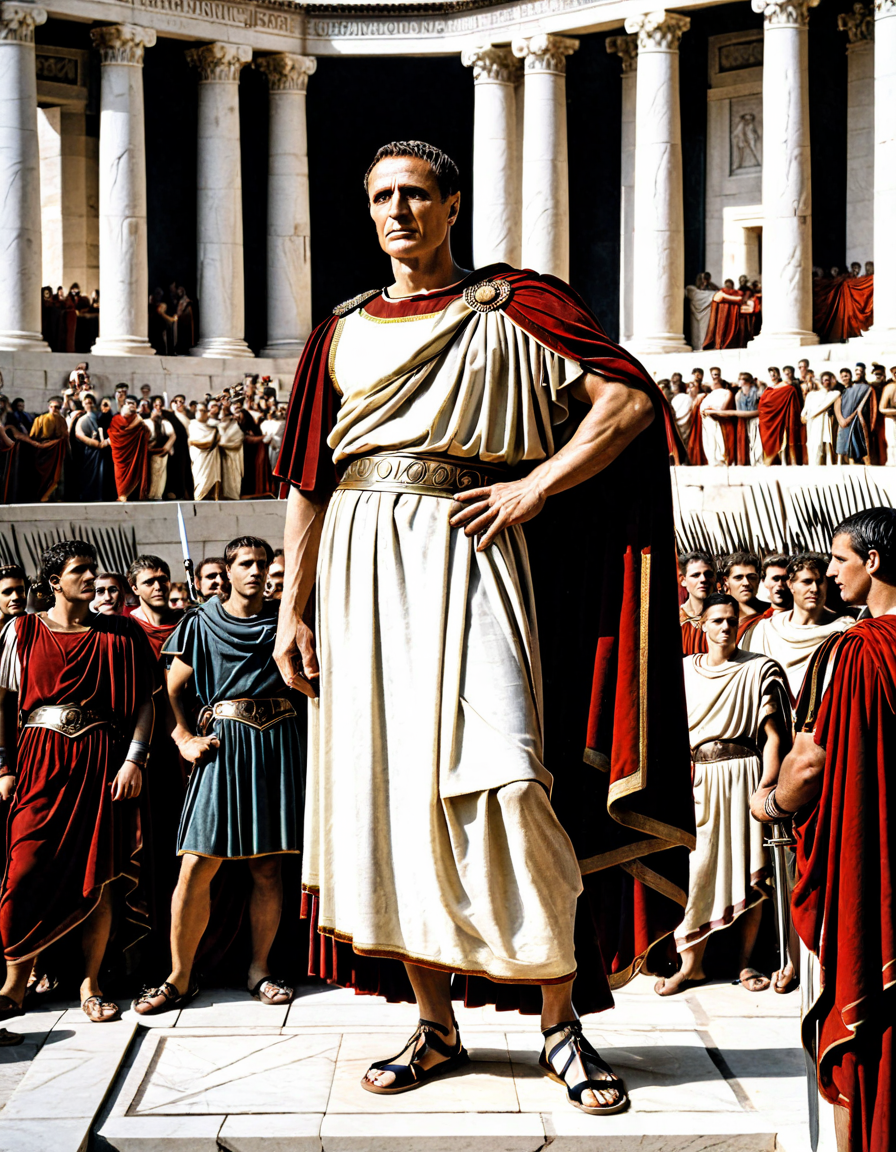
Julius Caesar stands as a monumental figure in the history of leadership. His impact on the political landscape of Rome isn’t just fascinating; it’s vital for understanding how leadership can mold societies. By looking at Julius Caesar’s life and strategies, we see a blueprint for extraordinary leadership. Whether it’s his military genius, his ability to connect with the masses, or his vision for a united Rome, Caesar showcases qualities we can all learn from, especially when navigating our modern world filled with challenges.
The Legacy of Julius Caesar: Transforming Rome’s Political Landscape
Julius Caesar’s rise to power during the late Roman Republic marked a profound shift in Rome’s political dynamics. Known for his ambitious reforms, he laid the groundwork for transitioning Rome from a Republic to an Empire. His Gallic Wars played a crucial role in expanding Rome’s territory while building his reputation. It wasn’t just military victory; his military campaigns enabled him to gain valuable resources and loyal troops, which allowed Caesar to capture the public’s adoration.
He masterfully navigated the political scene by forming pivotal alliances, notably the First Triumvirate with Pompey and Crassus. This savvy maneuvering wasn’t just a power grab; it showcased his keen understanding of governance and the importance of collaboration. By appealing to the masses, he reinforced his position and effectively changed Roman politics forever.
Moreover, his bold actions didn’t just resonate in Rome. His legacy echoes today in modern governance, serving as a reminder of how transformative leadership can have lasting effects. This historical overview encourages us to reflect on how leaders today can similarly reshape their environments for the better.
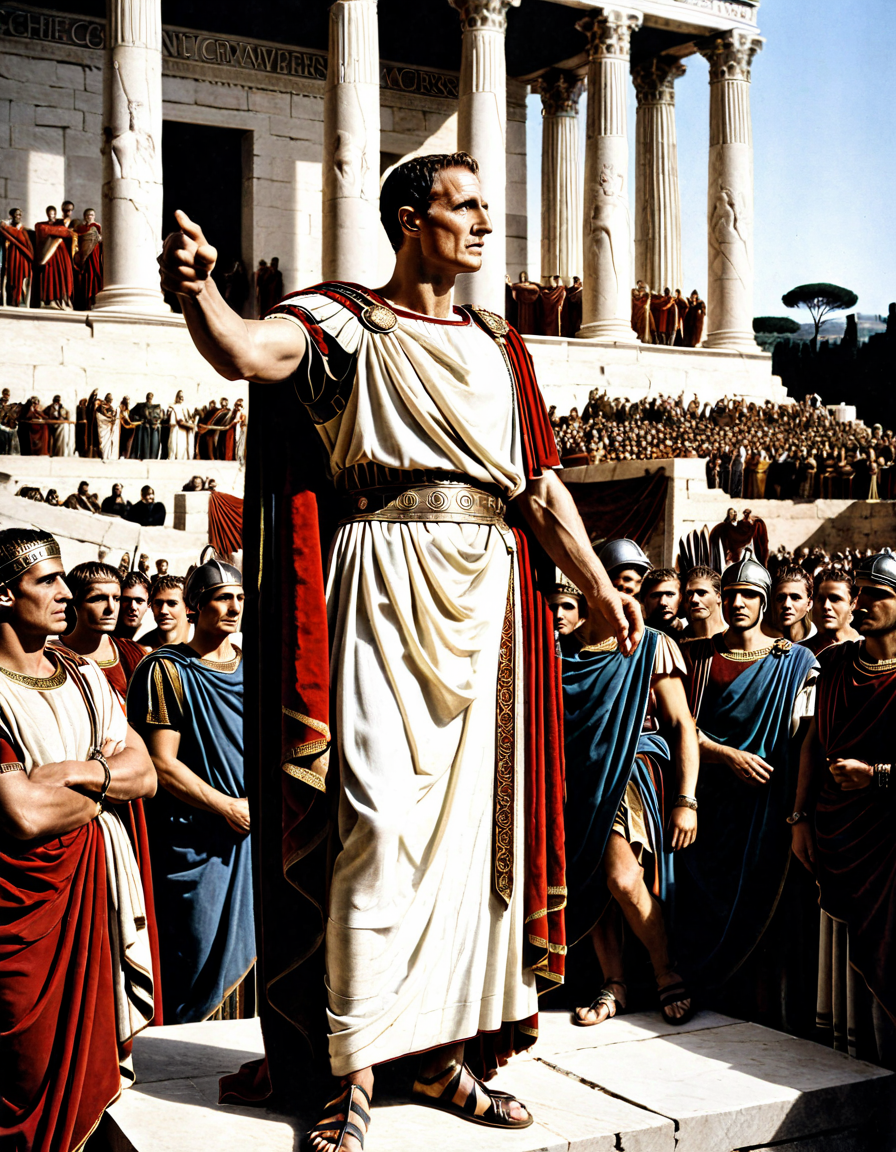
Top 7 Leadership Traits of Julius Caesar
1. Visionary Thinking
Caesar had a remarkable ability to envision a unified Mediterranean under Roman rule. His dreams went beyond mere expansion; they included civic reforms that catered to the people. This dual-focused vision influenced his contemporary leaders and still inspires many today.
2. Charismatic Communication
Caesar was a master of eloquence. His speeches stirred the hearts of troops and citizens alike; “Veni, Vidi, Vici” remains a prime example of how concise yet impactful messaging can inspire action. Modern leaders can learn much from his ability to communicate effectively.
3. Decisive Action
When the stakes were high, Caesar didn’t hesitate. His decision to cross the Rubicon in 49 BC was daring and ignited a civil war, proving that exceptional leaders often take calculated risks. His ability to act swiftly highlights the importance of decisiveness in leadership today.
4. Political Savvy
Navigating the intricate web of Roman politics required savvy. Forming alliances, like the one with Pompey and Crassus, illustrated his understanding of political maneuvering. This diplomatic skill allowed him to eliminate rivals and solidify his power.
5. Military Genius
Caesar’s innovation in battle tactics is still revered today. His strategic planning during the Siege of Alesia exhibited not only military tactics but also psychological warfare. This level of ingenuity is something contemporary military leaders and strategists can analyze and learn from.
6. Humanitarian Reformer
Caesar wasn’t just focused on power; he also aimed to uplift the lower classes. His initiatives, including land redistribution, showed a commitment to social justice. This spirit resonates with today’s progressive leaders who fight for marginalized communities.
7. Resilience and Adaptability
After setbacks, such as his defeat at the Battle of Gergovia, Caesar adapted and adjusted his strategies. His ability to recover and evolve illustrates that resilience is crucial for extraordinary leadership and is a trait for any successful leader today.
The Impact of Julius Caesar on Leadership Styles and Governance Today
When we examine prominent figures like Nelson Mandela and Franklin D. Roosevelt, their leadership qualities echo Caesar’s style. Both displayed remarkable resilience and emotional connection with their followers, much like Caesar did. Today, organizations like Amazon and Tesla demonstrate how visionary leadership combined with operational execution can yield impressive results, akin to Caesar’s strategic governance that transformed Rome.
The principles Caesar implemented—like forging alliances and understanding public sentiment—remain relevant. Leaders today can take cues from his life, understanding that effective leadership demands a balance of foresight, charisma, and action.
Furthermore, while Caesar’s methods may seem historical, they still offer a framework for addressing modern challenges. In our fast-paced world, it’s crucial to remain adaptable, embracing the inevitability of change while maintaining focus.

The Downfall of Julius Caesar: Lessons on Power and Betrayal
The notorious assassination of Julius Caesar on the Ides of March serves as a grim reminder of the peril associated with concentrated power. This act highlights how power can breed distrust and envy, relevant lessons for leaders today. It’s a stark warning of how maintaining alliances and being aware of the surrounding politics can be crucial for survival in any leadership role.
Caesar’s tragic fate underscores the importance of fostering transparent relationships with peers. Trust is the cornerstone of any successful leadership strategy, and neglecting it can lead to downfall—whether in politics, business, or community leadership. The lesson here is clear: never underestimate the implications of jealousy and betrayal.
Julius Caesar: A Reflection on Leadership Across Time
Julius Caesar’s life is a timeless study in leadership complexities. His triumphs and failures offer invaluable lessons for any leader, regardless of the industry. Looking closely at his adaptability, ambition, and magnetic personality allows us to glean insight into power dynamics and relationship building.
As we navigate our leadership journeys, we can draw parallels between Caesar’s experiences and our challenges. It’s not just about power or authority; it’s about connection, vision, and understanding the weight of leadership’s impact. By examining what worked for Caesar and what led to his ultimate betrayal, today’s leaders can better navigate their paths with purpose.
In conclusion, the exploration of Julius Caesar’s extraordinary leadership encapsulates themes of vision, tactical acumen, and the intricate dynamics of allies and adversaries. His legacy serves as a historical marker and a guide for navigating the complexities of leadership today. By learning from both his strengths and shortcomings, modern leaders can forge their unique paths with strength and conviction.
Julius Caesar: The Extraordinary Leader of Rome
A Glimpse into His World
Julius Caesar’s influence extended far beyond the battlefields of Rome. He was a master of persuasive rhetoric and understood the art of public perception, which certainly echoes the teachings of great thinkers like confucius. Many remember him for his audacious reforms, but did you know he was also a prolific writer? His works, especially “Commentarii de Bello Gallico, not only documented his military campaigns but also showcased his flair for Latin prose. Who knew that a military leader could also be a literary figure? This connection between leadership and literature holds true even in modern stories like Demon Copperhead, where characters navigate their quests through the power of storytelling.
The Man Behind the Legend
It’s fascinating that Julius Caesar famously crossed the Rubicon River in 49 BCE, sparking a civil war. This bold move encapsulated the essence of his leadership and commitment to his vision for Rome. Such decisions remind us of characters in pop culture, like Yusuke Urameshi, who face tough choices for the greater good. Caesar’s legacy isn’t just about military prowess; his reforms in governance and society laid the groundwork for the empire’s future. Interestingly, if he had access to modern banking options like Ufb Direct bank, he might have come up with even more innovative financial strategies for funding his campaigns.
The Legacy He Left Behind
Caesar’s story doesn’t end with his assassination. His political maneuvers transformed the Roman Republic into an empire, and this drastic shift can be likened to the iconic shifts seen in films or shows, such as those featuring Stanley Tucci. One of the most intriguing aspects of Caesar’s life is how he embraced various cultures, much like visiting luxor demonstrates an appreciation for history and diversity. After all, embracing change and mastering the twists and turns of leadership are what keep us pushing forward, much like the evolving stories featured on Channel 10 News Miami. Caesar’s multifaceted legacy reminds us that great leadership often combines bold decisions with an authentic connection to people. So, the next time you think of leadership, let Julius Caesar’s extraordinary journey inspire you!