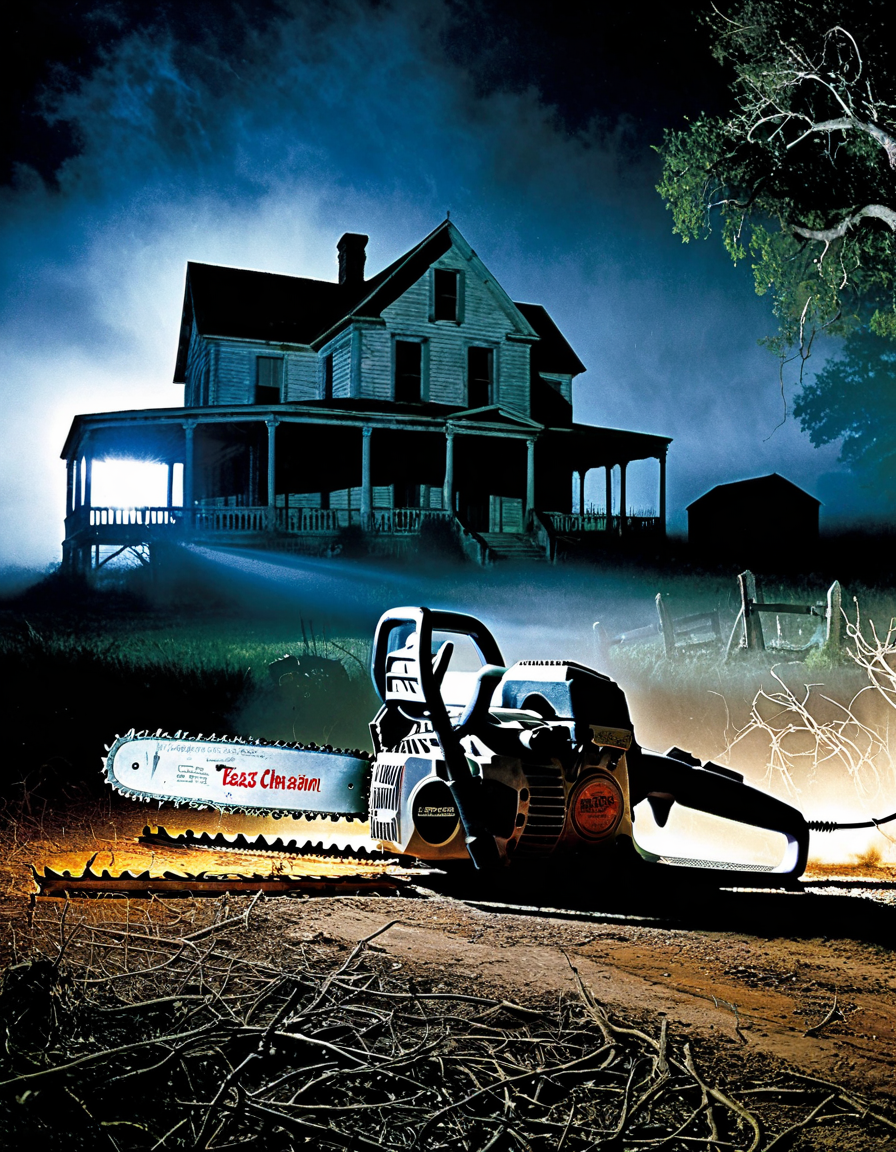
The Texas Chainsaw Massacre, a film that sent shivers down spines since its release in 1974, dives deep into the darkest aspects of human nature. The film isn’t just about the iconic chainsaw; it’s a chilling exploration of fear, trauma, and violence that resonates even today. But what really lies beneath this horror classic? Let’s uncover the facts and nuances that have contributed to the enduring fascination with the Texas Chainsaw Massacre.
7 Disturbing Facts About the Texas Chainsaw Massacre That Will Haunt You
1. The Inspiration Behind the Film
At its core, the Texas Chainsaw Massacre was influenced by the real-life atrocities of Ed Gein, a notorious criminal known as the “Butcher of Plainfield.” Gein’s heinous acts involved creating grotesque items from human skin, stirring public revulsion and intrigue. Although he wasn’t a Texas native and didn’t wield a chainsaw, his chilling legacy shaped the film’s monstrous character, Leatherface. This connection makes the horror feel all the more tangible as it reflects real human depravity.
2. Authentic Filming Locations
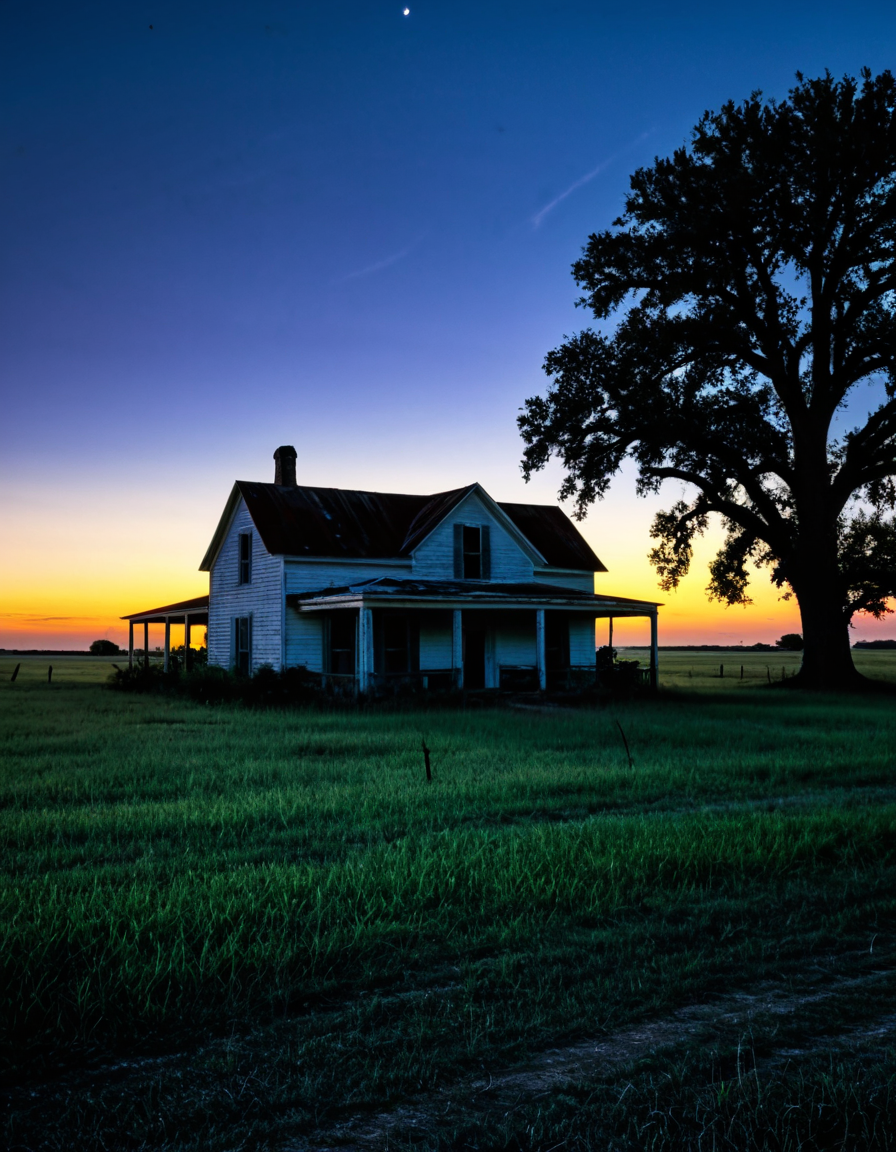
The filming locations of the Texas Chainsaw Massacre play a crucial role in generating its eerie ambiance. Shot in and around rural Texas, particularly near the small town of Poteet, the decaying farmhouse used was owned by director Tobe Hooper. Its authenticity contributed to an atmosphere that blurred the lines between reality and fiction, making audiences question if what they were witnessing could happen in real life.
3. Marketing Strategies and Guerrilla Marketing
The buzz leading up to the release of the Texas Chainsaw Massacre was a masterclass in shock marketing. Advertisements touted it as a true story, enhancing the viewer’s discomfort and curiosity. By drawing on elements of fear, this film set a precedent for horror marketing that still lingers today. Think about it—how many thrillers today emphasize true events to draw in audiences? The impact of this marketing strategy remains apparent decades later.
4. Cultural Impact on Horror Genre
The Texas Chainsaw Massacre didn’t just scare; it revolutionized the horror genre. The raw and gritty approach in portraying violence influenced a host of slasher flicks throughout the late ‘70s and ‘80s, paving the way for iconic films like Halloween (1978) and Friday the 13th (1980). It pushed boundaries, compelling filmmakers to tap into psychological horror and realism, forever changing how stories of fear are told.
5. The Character of Leatherface
Leatherface stands as one of the most memorable villains in cinema history. Unlike typical killers, Leatherface, portrayed by Gunnar Hansen, embodies trauma and societal rejection. His character invites viewers to contemplate the psychological depths of horror, reminding us that terror can stem from personal pain and family expectations. This complexity goes beyond mere scares to foster a deeper conversation about mental illness and societal alienation.
6. The Film’s Low Budget and Innovative Techniques
With a mere budget of about $140,000, the Texas Chainsaw Massacre relied on innovative techniques to heighten its horror. Extreme close-ups and disturbing sound design created a rawness that felt almost documentary-like, dragging the audience into the chilling experience. This style, born out of necessity, was so effective that it inspired countless filmmakers in the years that followed.
7. A Legacy of Sequels and Remakes
The original Texas Chainsaw Massacre has spawned numerous sequels and remakes, reflecting its last impact on culture and cinema. Each new interpretation attempts to capture the terrifying essence of the original but often misses the mark. For example, Texas Chainsaw 3D (2013) brought modern updates but failed to deliver the same raw intensity that made the original so heart-stopping, showcasing the difficulty of living up to a classic.
The Enduring Fascination with the Texas Chainsaw Massacre
The Texas Chainsaw Massacre remains an essential part of horror cinema, gripping audiences across generations and stirring up visceral reactions. Its unique blend of realistic horror, character depth, and themes of societal critique creates a narrative far more profound than mere fright. It challenges viewers to confront issues such as mental illness and societal decay, reminding us that there’s often a harsh reality under layers of fear.
Looking ahead to 2026, it’s evident that the Texas Chainsaw Massacre continues to influence modern films and media. Each new interpretation challenges viewers to delve deeper into their understanding of fear while simultaneously commemorating the horror genre’s ability to explore storytelling boundaries.
In essence, the Texas Chainsaw Massacre isn’t just a horror flick; it stands as a cultural artifact that reflects our uneasy relationship with violence. As the film’s legacy endures, audiences find themselves grappling with a tale that’s hauntingly real—one that brings us face-to-face with the darker sides of human nature.
Whether you’re a seasoned horror aficionado or just dipping your toes into the genre, the Texas Chainsaw Massacre invites you on a chilling journey that’s bound to leave a mark. So, grab those popcorn and perhaps keep a nightlight nearby as you delve into this chilling masterpiece—it’s sure to keep you on the edge of your seat!
As we celebrate the horror genre, don’t forget to check out resources that can help you stay on track with your fitness journey. From frizzy hair Products to keep you looking stylish post-workout to insights on beehive workouts that can complement your routine, we’ve got you covered. If sports are more your speed, take a look at stories behind the Dallas Cowboys Cheerleaders for inspiration in your own fitness aspirations.
Remember, confronting fears—whether on-screen or in life—helps us grow stronger!
Texas Chainsaw Massacre: Chilling Trivia and Fun Facts
Origins That Shook Hollywood
The Texas Chainsaw Massacre isn’t just a film; it’s a piece of cinematic history. Released in 1974, it pushed boundaries in horror, and some say it paved the way for modern slasher films. Interestingly, the inspiration for the character of Leatherface came from the gruesome tales of real-life murderers, particularly Ed Gein, who also inspired other films. That’s right! The chilling essence captured in the Texas Chainsaw Massacre taps into our collective fear, similar to the nerve-wracking tension found in the vice president debate, where every word counts under pressure.
Unconventional Filming
Did you know the production took place in the sweltering heat of Texas? The crew was living a horror story of their own during filming! They faced heat exhaustion and limited resources, which contributed to the film’s raw and gritty feel. The discomfort mirrored the haunting vibes of the eerie landscape; they weren’t too far from the real-life tales of the infamous daddy long legs, those creepy creatures lurking where you’d least expect them. Despite the challenges, the result was a captivating narrative that sent shivers down the spines of audiences everywhere.
The Movie’s Enduring Legacy
Fast forward to today, and the Texas Chainsaw Massacre is more than just a flick—it’s become a cultural phenomenon. Many fans celebrate the film through conventions, cosplay, and screenings. In fact, Angel Reese’s GPA might be overshadowed by the knowledge that aficionados of horror often embrace trivia as part of their passion! Additionally, some fans will tell you they keep themselves energized during their horror marathons with Bcaa powder, keeping that adrenaline pumping while they munch on popcorn.
So, whether you’re a curious newcomer or a die-hard fan of the macabre, the Texas Chainsaw Massacre offers fascinating layers to peel back—just like the complex characters that haunt it. Keep those lights on and dive deep into its spine-tingling legacy! And if you wonder about those real-life inspirations: take a moment to consider how horrifying tales, once tucked away—like the stories surrounding Burak Ozcivit—prompted some of the most impactful narratives in horror.