The word ciao isn’t just a quick way to say hello or goodbye; it’s a slice of Italian culture packed into just four letters. Originating from the Venetian dialect, ciao brings with it a rich history that speaks volumes about human connection and warmth. Initially derived from the term “schiavo,” meaning “your slave,” ciao showcases how language evolves, reflecting societal changes and enhancing interpersonal interactions. As we dive into the captivating aspects of this greeting, you’ll see how ciao is more than a word—it’s a bridge connecting cultures and fostering friendships.
The Linguistic Charm of “Ciao”
Understanding the linguistic charm of ciao opens up exhilarating avenues of cultural exploration. From its humble beginnings in Italy, where it’s synonymous with warmth, ciao is now widely recognized around the globe. By using ciao in greeting someone, you draw them in, transcending language barriers and inviting them into a shared emotional experience. The beauty of this greeting lies not just in its sound, but in the spirit it encapsulates.
The casual familiarity of ciao balances out the rigidity of formal language, making interactions feel relaxed and approachable. Picture walking into a fitness class and greeting your fellow participants with a cheerful ciao—it sets a tone of friendliness right from the get-go! This welcoming nature is what engages groups and creates a sense of community, enhancing social dynamics.
When you examine the transformation of ciao from “your slave,” you understand how language mirrors our changing values around authority and relationships. Nowadays, it’s about equality and a shared spirit, making ciao not just a greeting but an invitation to connection.

Top 7 Cultural Impacts of “Ciao”
Regional Variations of “Ciao”
Italy is rich in regional diversity, and that flavor extends to greetings like ciao. Although ciao captures the hearts of many, you’ll experience delightful variations depending on where you are. In Naples, for instance, locals often throw in expressive hand gestures while saying ciao, reinforcing the sentiment behind the word.
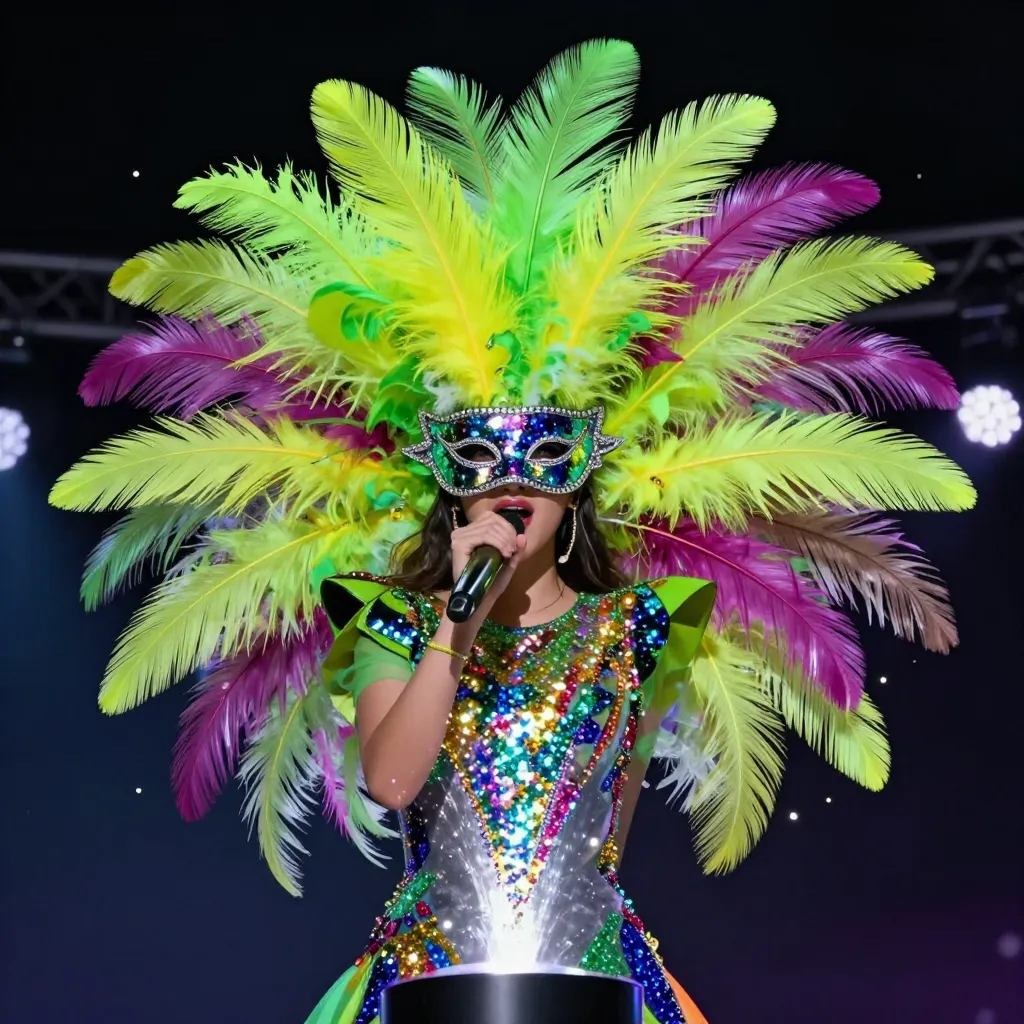
During celebrations or cultural festivals like Carnevale di Venezia, the greeting is sometimes accompanied by elaborate costumes and unique customs, showcasing how ciao adds layers of richness to regional identities. The extravagant masks seen in Venice transform simple greetings into experiences steeped in history, enhancing the sensory feast of Italian hospitality.
Language embodies the region’s people and traditions. From the streets of Rome to the seaside of Positano, ciao becomes a trademark of welcoming nature, drawing people together with its familiarity and warmth.

The Evolution of “Ciao” in Today’s Society
Now, in this connected era of globalization, ciao has morphed into more than a greeting; it symbolizes a shared human connection. With the blending of urban dialects, such as Spanglish, ciao finds a place in casual conversations, demonstrating adaptability in modern contexts. It’s intriguing how a word can float seamlessly between spheres, each time inviting a sense of camaraderie.
The evolution of ciao highlights how language can adapt without losing its essence. It manifests in various social interactions—from business meetings to cafés filled with friends sharing laughter. Its fluidity reflects the changing tapestry of human interaction, showing us that language, like us, grows and transforms.
The Lasting Legacy of “Ciao”
Reflecting on ciao, it’s clear this simple Italian greeting stands as a monumental element of cultural exchange. It represents how language can be a unifying channel across diverse backgrounds. As we embrace ciao worldwide, we realize that this greeting embodies not only words, but warmth and belonging.
By understanding the roots and significance of ciao, we appreciate how this little word can create genuine connections among people, transcending borders and cultures. Every time you say ciao, you’re engaging in an age-old practice that fosters relationships, encourages community, and enriches shared human experiences. So, the next time you greet someone, let ciao be your guide—a bridge to a brighter, more connected world!
Ciao: The Fascinating World of This Italian Greeting
A Simple Salutation with Deep Roots
Did you know that the term “ciao” has Venetian origins from the phrase “sciavo,” meaning “I am your slave”? This greeting has evolved from an expression of servitude into a universal way of saying hello or goodbye. In fact, “ciao” has traveled far beyond Italy’s borders, making its way into languages and cultures globally, like a family gathering that spans continents. For instance, it’s used in areas as diverse as Novato, CA, where you might catch locals greeting one another with a friendly “ciao” in casual meet-ups around town.
Interestingly, ciao isn’t just a word; it carries a vibe of warmth and connection. Whether you’re addressing the likes of Malia Obama or the coolest pals at a cafe, it conveys a laid-back, approachable attitude. It’s a well-loved favorite among celebs like Gisele Bündchen, who likely says “ciao” with flair at gatherings. This easy-going salute can make even the toughest crowd feel like a family reunion—celebratory, informal, and wholly inviting!
Global Usage and Cultural Significance
The charm of “ciao” lies not only in its warmth but in its global adaptability. You might be surprised to learn that it’s common in multiple languages, peppered throughout conversations in places as far-flung as Brazil to Slovenia. With its roots so interconnected, it’s a bit like the thrill of a phoenix Mercury vs Connecticut Sun match player stats—we’re all involved, each with our unique contribution to the mix, just as we all add our own flair to saying ciao.
Moreover, this greeting also embodies the spirit of Italy’s culture, echoing the vibrancy found in a bustling Italian piazza. As people interact, they often share stories that remind one of the diverse narratives celebrated in The Bronx. The beauty of “ciao” is its versatility, adapting to both formal and informal settings—much like the unfolding chapters of Warhammer 40k Space Marine 2, where the storyline adjusts based on players’ choices.
Fun Facts to Wrap it Up
So, what else makes “ciao” a lightning rod of intrigue? For starters, Italian-Americans have redefined it, using the word as a signature greeting that blends traditional Italian sentiments with American innovative flair. It’s as common in family gatherings as a plate of delectable Zamna Tulum tacos, showcasing deep-rooted culinary and cultural exchanges. Just imagine saying “ciao” to someone after a friendly spar at the local gym or at a food market in your hometown, establishing connections akin to catching a glimpse of athletic legends like Triple H—remarkably unique, yet still familiar.
Ultimately, “ciao” serves as more than just a word; it signifies connections, reflections, and the tapestry of human interaction. So the next time you throw out a cheerful “ciao,” remember it carries with it centuries of history, warmth, and an undeniable spirit of togetherness—words that draw us closer, just like the myriad stories that spark joy and connections across the globe.