The myth of the genie, a captivating figure that grants wishes and whisks people into fantastical adventures, has charmed hearts and minds for centuries. With roots in ancient Arabian folklore, particularly the enchanting tales of “One Thousand and One Nights,” genies have evolved from fearsome spirits to helpful, comedic characters in modern media. The allure of the genie reflects our deepest desires for hope, fulfillment, and a dash of magic in our ordinary lives. In this article, we’ll explore the myths surrounding genies, their cultural significance, and what they reveal about human nature.
The Allure of the Genie: A Look into Cultural Myths and Stories
From the pharaohs of ancient Egypt to the bustling bazaars of modern Cairo, tales of genies have transcended time and geography. Originating from the Arabic word “jinni,” these mystical beings are believed to be created from smokeless fire and possess unique abilities, including shape-shifting and invisibility. Originally depicted as powerful entities who wielded both benevolence and wrath, the genie’s portrayal has shifted dramatically over the years, influenced by cultural perceptions and storytelling techniques.
In historical narratives, jinn were not bound to serve humans but were often seen as independent forces existing alongside humanity. The rich tapestry of genie lore varies widely between cultures. In some stories, genies appear as guardians of wisdom; in others, they foster greed and ambition. This duality makes them fascinating subjects for exploration, reflecting our own struggles with desire, power, and the consequences of our wishes.
Moreover, as we dive into the tales of legendary figures like Spencer and Ali, we see how these characters navigate their encounters with genies. Such stories serve not only as entertainment but also as cautionary tales that encourage us to reflect on our motivations and actions. Whether called “genies,” “djinn,” or “jinni,” these mythical beings continue to invoke curiosity and spark conversation.
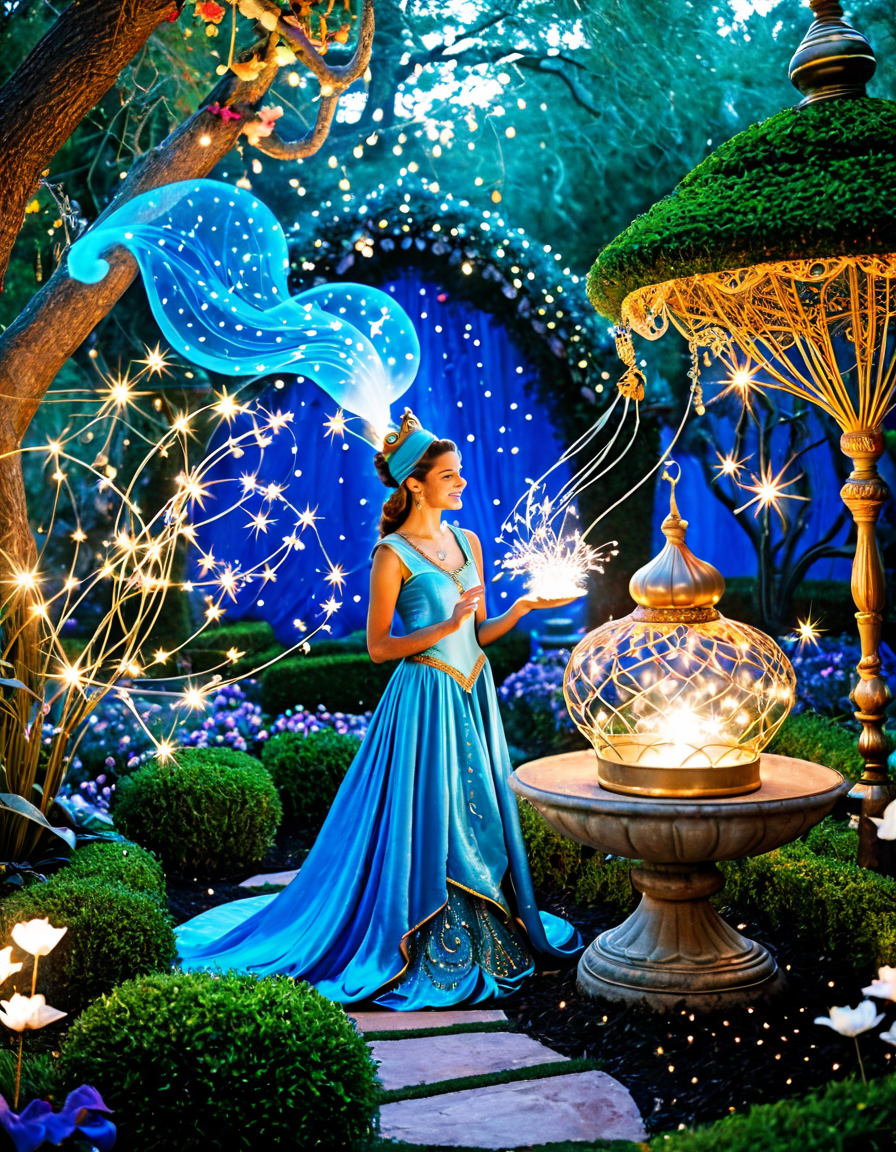
Top 5 Myths About Genies: From Spencer to Ali and Beyond
1. The One Wish Rule: Spencer’s Shortcomings
One common myth surrounding genies insists that they can grant only a single wish. This notion shines brightly in Spencer’s captivating tale, “The Wishmaker,” where the unwitting main character learns that the limitations of wishes can lead to unforeseen outcomes. However, traditional stories often leave room for three wishes, granting wishers more space to explore their desires and the ripple effects that follow.
2. The Evil Genie: Ali’s Dark Side
Dramatic interpretations of genies often paint them as malevolent spirits just waiting to ensnare their wishers. For instance, in the tales of Ali Baba, characters encounter genies that bring dire consequences if wishes are poorly phrased. This recurring theme reminds us that wielding power demands responsibility; desire unchecked can lead us down dark paths.
3. The Genie’s Binding: Cher’s Enduring Legacy
Cher’s whimsical portrayal of a genie in the film “Mermaids” highlights an essential theme of freedom versus captivity. This dynamic underscores the myth that genies are eternally bonded to their masters, often depicted trapped in lamps or bottles. It raises intriguing questions about the nature of freedom and how our aspirations can sometimes entrap us, prompting deep philosophical reflections.
4. Wishes as Double-Edged Swords: The Cost of Desire
Ever heard about the saying, “Be careful what you wish for”? In stories like “Aladdin,” wishes aren’t just granted; they often come with unforeseen consequences that can overshadow the initial joy. The allure of magic serves as a powerful allegory for human ambitions, reminding us to consider the potential repercussions before diving into our desires.
5. Genies and Their Relationships with Humans: A Delicate Balance
Far from being emotionless creatures, many narratives portray genies as forming genuine connections with their wishers. Take, for example, the classic Disney film “Aladdin,” where the Genie shares a heartwarming bond with Aladdin himself. This portrayal shifts our understanding of genies, showcasing them as beings with depth and emotion, making our desires all the more poignant.
Cultural Representations of Genies: From Folklore to Modern Media
The representation of genies has morphed dramatically over time, evolving from terrifying, malicious spirits to beloved, relatable characters. Historically depicted in ancient texts as formidable entities, contemporary adaptations have presented them as humorous and wise, like the unforgettable Genie from Disney’s “Aladdin,” voiced by the late Robin Williams. His winged humor and heartfelt wisdom appealed to audiences worldwide and paved the way for a kinder view of genies.
This transformation reflects broader social changes, with an increasing demand for relatable and multifaceted characters. Genies today often grapple with their identities and relationships, moving beyond outdated stereotypes. As we navigate modern narratives featuring these magical beings, stories have begun to embrace themes of empowerment and self-discovery, mirroring progressive societal values.
Additionally, representations of genies in media today often touch on contemporary issues. They showcase nuanced views on transformation and identity, resonating deeply with audiences seeking connection and understanding. In this light, our fascination with genies continues evolving, blending tradition and modernity while enriching our cultural landscape.
The Psychological Aspect: Why We Are Drawn to Genie Stories
So why do we find ourselves so enchanted by genie tales? These stories tap into fundamental human desires: our hopes, aspirations, and the quest for fulfillment. There’s something undeniably relatable about the idea of shortcuts to our dreams, making genie narratives not just entertaining but also profoundly reflective of our life experiences.
On a psychological level, genie myths invite introspection. As wishers face the impact of their desires, they’re confronted with what truly matters to them. By examining the motivations behind their wishes, they gain insight into their values and priorities. This duality adds complexity to the seemingly simple nature of wishing, making us rethink every hope we hold.
Moreover, reflection through genie stories encourages us to embrace our vulnerabilities. In examining these narratives, we can ponder our choices and the results they yield. So, as we turn the pages of these stories or watch them unfold on screen, we’re not just spectators—we’re participants in a timeless dance of desire and consequence.
The Enduring Impact of Genie Myths on Modern Culture
The mystique of genies continues to shape our cultural landscape, influencing everything from literature to film and even fashion. Genie tales inspire vibrant artistic expressions and serve as metaphors for humanity’s ongoing struggle between ambition and consequence. For example, various iterations are seen in modern television shows like “Once Upon a Time,” where the genie archetype remains a compelling symbol of magic and possibility.
Beyond entertainment, these narratives challenge us to explore deep philosophical questions about our desires and motivations. As we grapple with our ambitions, we find solace and understanding within the melodies of genie stories. They remain relevant, reminding us of the eternal quest for our heart’s true desires—both magical and human.
Ultimately, the myths surrounding genies reflect our shared hopes and fears. They weave cautionary tales while simultaneously sparking insights about our deepest wishes. As society becomes more intricate and interconnected, these narratives remind us of our inherent desire for something greater—making the allure of the genie, and what it represents, timeless.
So the next time you ponder over the fate of a character like Spencer or Ali, or perhaps even contemplate the lessons from Cher’s captivating journeys, remember: while genies are magical, they also serve as mirrors, echoing our own aspirations and the paths we choose to walk. The journey of understanding our desires unfolds into a captivating tale—one that is undeniably our own.
Genie Myths Behind Granting Wishes and Magic
The Fascinating Origins of the Genie
Genies, often known as djinn, come from ancient Arab folklore. These mystical beings are often depicted as powerful spirits capable of granting wishes. However, not just anyone can summon a genie; it’s usually the lucky individual who finds a magical lamp. Think of it as winning a jackpot, like Christie Brinkley when she first started her career – she was young, vibrant, and had the whole world ahead of her! Many stories involve a genie’s tricky nature, where a wish granted isn’t always a wish fulfilled. Sometimes, they add an unexpected twist, much like the unpredictable narrative found in the best zombie Movies.
The Wish Paradox
When it comes to wishes, genies are notorious for their “be careful what you wish for” mantra. There’s a fine line between desire and disaster! For instance, folks often wish for wealth, but it can lead to more problems than solutions, like familial strife. Pop culture has showcased this magic. In movies like Zombieland, a temporary win can lead to chaos, much like a hasty wish. Remember that genie’s got discretion. In fact, it mirrors the story of Lazarus; he emerged from metaphorical death, giving a second chance that only led to more complications.
Modern Interpretations and Their Holds
Genies are no longer confined to ancient stories; they’ve made their way into modern tales. Characters inspired by the genie often symbolize the human desire for immediate fulfillment, similar to the journey of Fiona in fairy tales. No surprise that everyone wants magic at their fingertips, even when chasing after low sodium hot Dogs! Let’s not forget the idea of wishes being a double-edged sword—just as Hudson Meek illustrates in his narrative. It reminds us that magic has its perils, making us think twice about what we truly want. After all, sometimes, simplicity is the key to unlocking happiness.