
Drift: The Evolution of a Racing Phenomenon
Drift racing has emerged as one of the most exhilarating forms of motorsports around. Its crispy origins can be traced back to the winding, mountain slopes of Japan in the 1970s. Early on, street racers needed a technique and style to navigate tight corners at breakneck speeds while keeping their vehicles under control. Enter Keiichi Tsuchiya, the “Drift King,” an iconic figure who not only dominated this style but also shared the thrill through videos and competitions. His legacy transcended borders and built a diverse, global community that celebrated the artistic flair of drifting.
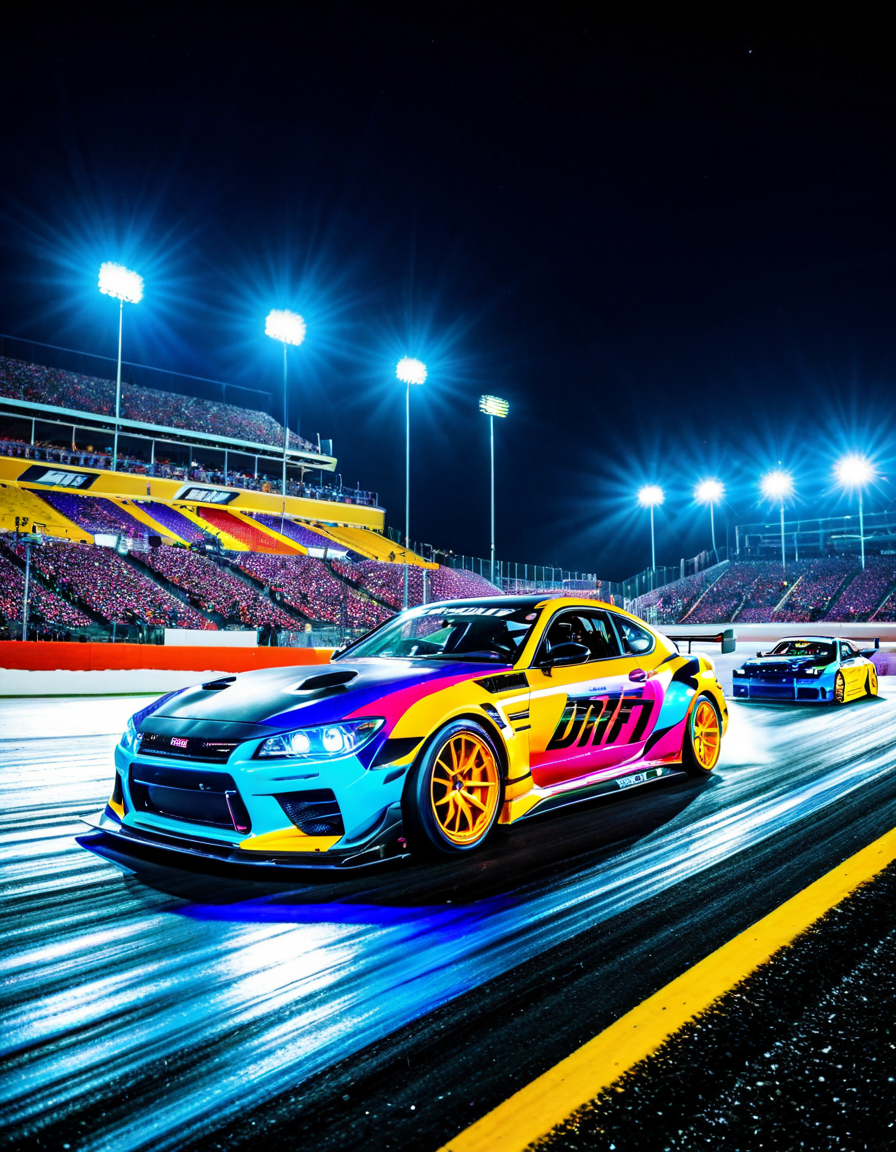
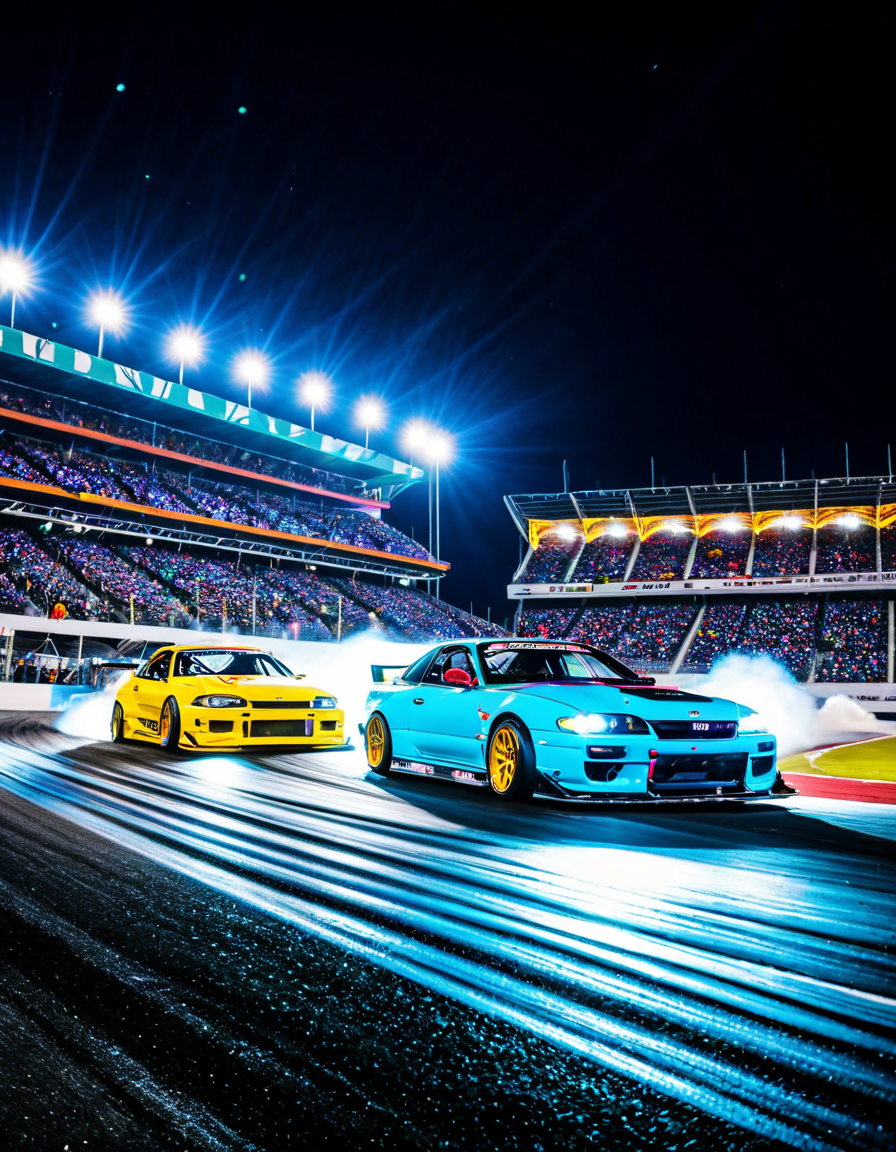
What set drifting apart was its emphasis on style over mere speed. Drivers didn’t just want to finish first; they aimed to do it with flair. Imagine gliding gracefully through a hairpin turn, tires screeching while creating plumes of smoke. Sounds thrilling, doesn’t it? That rush is what continues to draw people into the fold, inviting neighbors from all walks of life to participate and witness its beauty.
As we explore further, it’s essential to understand that drift racing isn’t just a sport; it’s a cultural phenomenon that reflects broader social dynamics. Drifting’s evolution mirrors the human spirit’s quest for freedom and expression, becoming a canvas for car enthusiasts to showcase their creativity and skills in a way that connects people worldwide.
Top 5 Drift Racing Legends That Shaped the Sport
Drifting is enriched by the lives and achievements of many extraordinary figures. These talents have helped mold the sport into what it is today, and understanding their contributions will deepen our appreciation for the art of drifting. Here are five legends that have changed the game:
Together, these legends not only shaped drifting but also fostered a culture where enthusiasts feel at home. They’ve opened their arms to neighbors from different backgrounds, creating a diverse melting pot that enriches the sport and its fans.
Drift’s Cultural Impact: Racing Beyond Borders
Drifting impacts more than just the racetrack. It has fueled a cultural movement intertwined with various aspects of fashion, music, and lifestyle. Witness the excitement at major events like “Formula Drift” and “D1 Grand Prix,” where participants come together from every corner of the globe to celebrate their shared passion for drifting. These events have transformed the drifting experience into a major cultural exchange, bridging gaps and enriching lives.
One can’t help but notice how drift culture often merges with music festivals, car shows, and lifestyle exhibits to create a festival atmosphere. It’s more than just racing; it’s a celebration of life that invites all—neighbors, fans, and newcomers alike—to immerse themselves in this vibrant world. It creates a unique sense of belonging, letting enthusiasts become part of something bigger than themselves.
Drifting has become a way of life for many, influencing trends and attitudes both on and off the track. Whether through the gear they wear, the music they listen to, or their social interactions, drifting affects the lives of participants and spectators alike. It encourages a community spirit where everyone is welcome, reinforcing the idea that connection grows from shared interests and experiences.
The Technological Shift: Innovation in Drift Racing
Technology has driven drift racing into fresh territory. The rise of electric vehicles (EVs) is among the most significant changes. Brands like Tesla are exploring how these electric powertrains can challenge traditional racing dynamics, and while some purists might grumble, there’s no denying the potential. Drifting with an electric setup offers new avenues for maneuverability, revamping what it means to slide on the asphalt.
Simulators have also advanced dramatically, allowing aspiring drifters to refine their skills from the comfort of their own homes. Titles like “Assetto Corsa” and “Forza Motorsport” replicate real-life driving experiences, letting potential drivers practice their techniques virtually before hitting the real track. This accessibility introduces new enthusiasts to drift, making it more approachable and enjoyable.
The fusion of technology and drift racing reflects broader trends in sports and recreation. In the face of rapid technological growth, enthusiasts have adapted and opened their minds, exploring innovative avenues while ensuring they don’t lose sight of what makes drifting special. The sport’s evolution is about staying humble and open, embracing change while honoring tradition.
The Future of Drift Racing: Challenges and Opportunities
Drift racing is at a crossroads, facing significant challenges but also ripe with opportunities. Environmental concerns regarding traditional combustion engines are pressing the sport toward a more sustainable future. Discussions are underway about hybrid technologies and greener practices that will shape what drift racing can be moving forward.
An emerging focus on sustainability has been seen across drift events. From logistics to vehicle builds, organizations are beginning to emphasize how racers can consider their carbon footprint while still enjoying this thrilling sport. It’s a shift that encourages racers to be mindful of their impact on the environment while enjoying their passion.
Social media platforms have also played a pivotal role in drifting’s evolution. The ease of sharing drifting content has attracted mainstream audiences and introduced new fans to the thrill of the sport. Influencers and content creators have reshaped how drifting is viewed, bringing fresh energy and visibility. This, in turn, strengthens the community by inviting more neighbors to witness the magic of drifting.
As we traverse the winding roads of drift racing history, it’s clear that the sport is about more than just competition. It includes a shared journey among enthusiasts and newcomers alike, all eager to embrace the thrill of the drift. Together, they can forge ahead, thriving amid the challenges and savoring every exhilarating moment along the ride.
Drift: An Evolution of Style and Speed
The Birth of Drift Culture
The thrilling world of drift racing has its roots deep in Japanese motorsports, born from a mix of adrenaline and creativity on winding mountain roads. As drivers employed slick techniques to maneuver their cars through hairpin turns, they crafted a unique art form that garnered attention beyond Japan. The drift phenomenon exploded in the late 1990s, with the rise of the D1 Grand Prix, which showcased jaw-dropping stunts that made spectators’ hearts race. Interestingly, drifting’s cool vibe aligns perfectly with pop culture figures like Frankie Grande, who embody a spirit of thrill-seeking, echoing the boldness found in every drift arc.
The Drift Scene Takes Off
Over the years, programs dedicated to drifting sparked interest in various regions. It wasn’t long before these events captivated fans, forging connections that felt as intimate as a gathering of friends sharing stories at the Sleepy Hollow hotel. Elite drivers defied the norm, turning drift events into spectacles akin to rock concerts, blending skill with showmanship. Plus, sponsors soon realized the marketing potential, turning local talents into household names, much like athletes from queens gaining fame through their pursuits.
Drift in Pop Culture
The cultural impact of drift racing can’t be overstated, influencing everything from movies to music. Films like “The Fast and the Furious: Tokyo Drift” propelled the sport into the limelight, showcasing the electric allure of drifting. Even renowned radio hosts like Nessa Diab often discuss the sport, acknowledging how it captivates fans worldwide. This excitement leads various enthusiasts to organize events that blend thrills with healthy Lunches and social gatherings, ensuring participants enjoy a complete experience — one that promises connections and fun.
As the drift scene continues to evolve, it serves as a testament to innovation, revealing how communities come together around a shared passion. Whether you’re a newcomer or among the long-timers, there’s always more to uncover—take the recent documentary Epoch, which illustrates the relentless journey of drifting that feels almost cinematic. Embrace this vibrant culture, and you might just discover the beauty that lies in the art of drift!