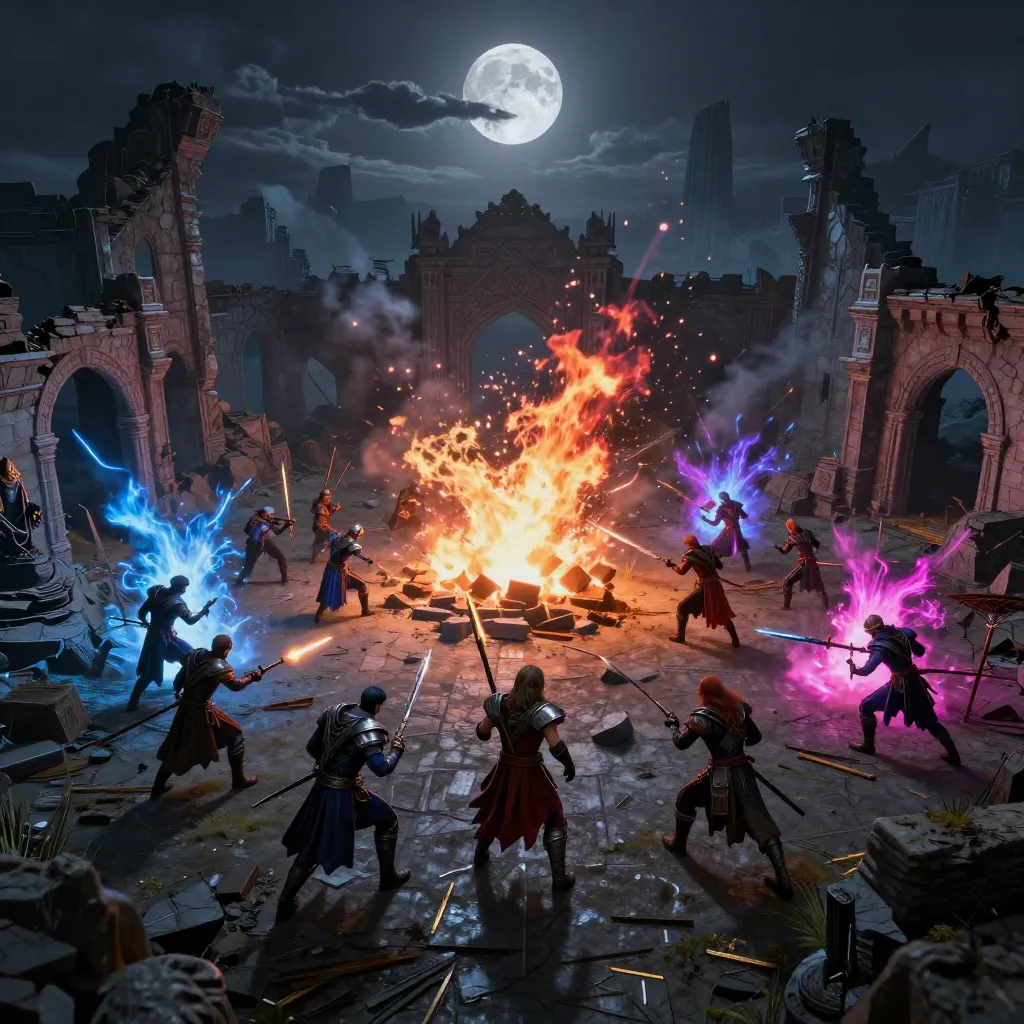
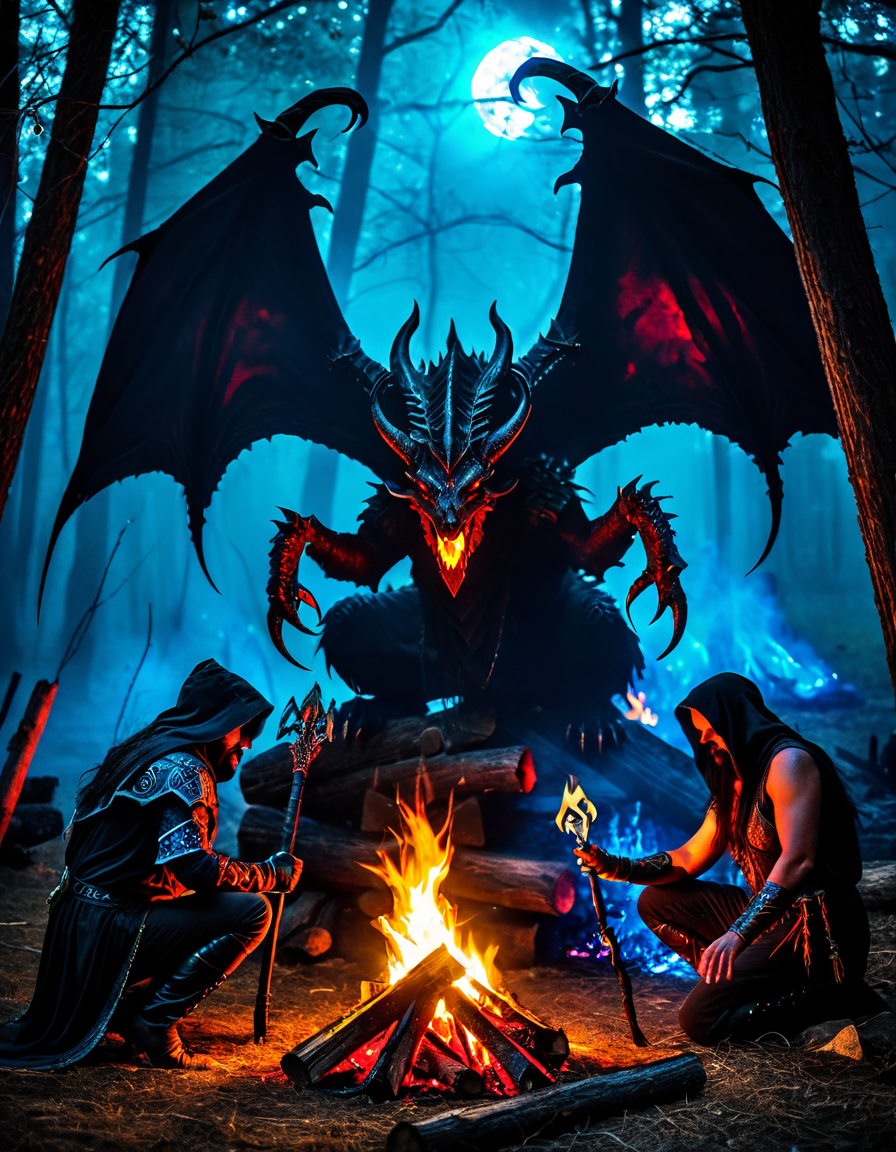
When you think of groundbreaking video games, it’s hard not to mention Diablo. Since its debut in 1996, the franchise has carved a niche for itself as a leader in the action role-playing genre. From its dark, immersive themes to its innovative gameplay mechanics, Diablo has had a substantial impact on the gaming industry. Its legacy has shaped not only gaming but also pop culture, igniting the imaginations of millions of players around the globe. In this article, we’ll explore Diablo’s evolution, its iconic influence, narrative depth, community engagement, artistic legacy, and its promising future.
1. The Evolution of Diablo: From 1996 to Present
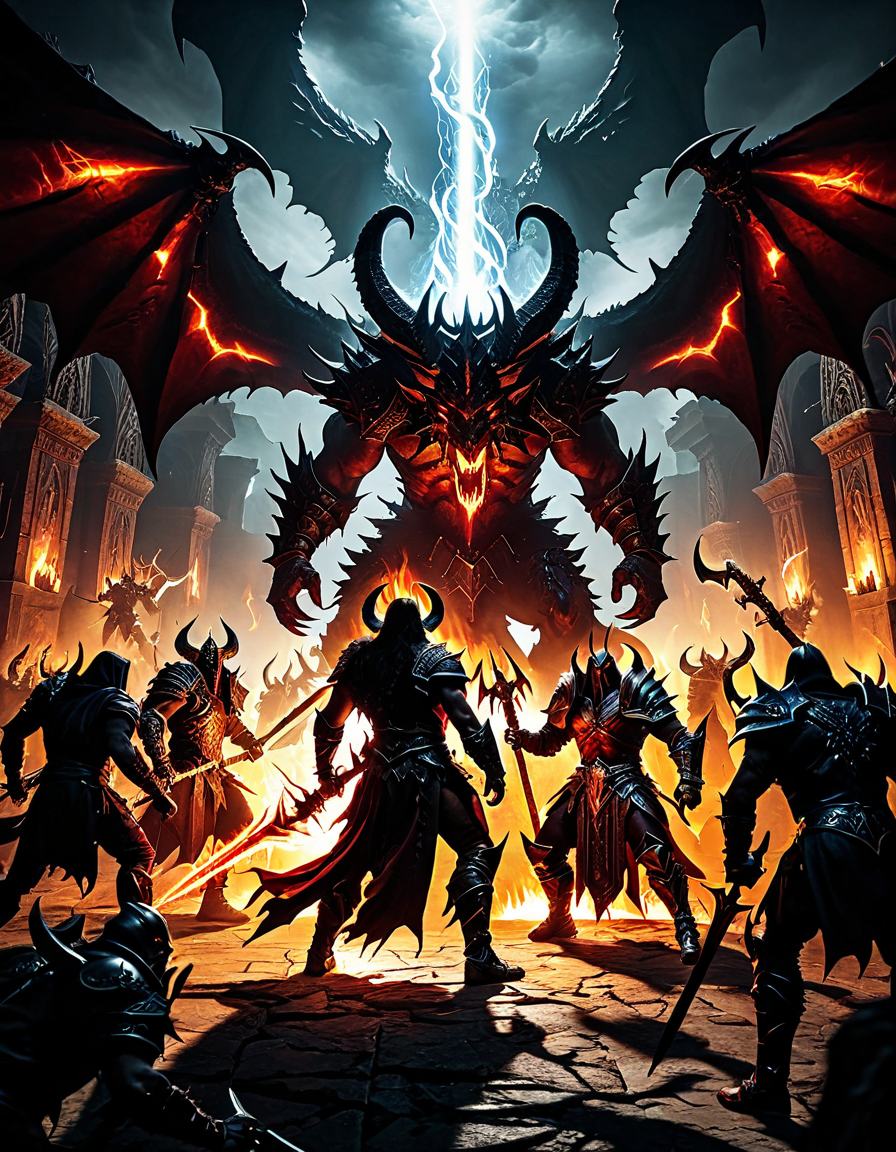
The original Diablo hit the shelves in 1996, introducing players to the dark and sinister world of Sanctuary. This dungeon crawler set the groundwork for what would become a legendary series. The architecture of its gameplay featured procedurally generated dungeons and a loot system that kept players returning for more. As technology advanced, so did the game, leading us to Diablo III in 2012. This edition brought innovations like real-money auction houses and seasonal content, changing how players interacted with the game and making it a community-driven experience.
With each iteration, the series has leveraged emerging technologies to amplify its storytelling and graphics. By 2004, Diablo II had already laid the foundation for multiplayer experiences, allowing friends to join forces and tackle challenges in these dark planes together. The transition to Diablo III further enhanced this aspect, enabling online play and deepening player engagement. As a result, not only did the franchise evolve technologically, but its core gameplay mechanics became benchmark standards for future releases in the gaming industry.
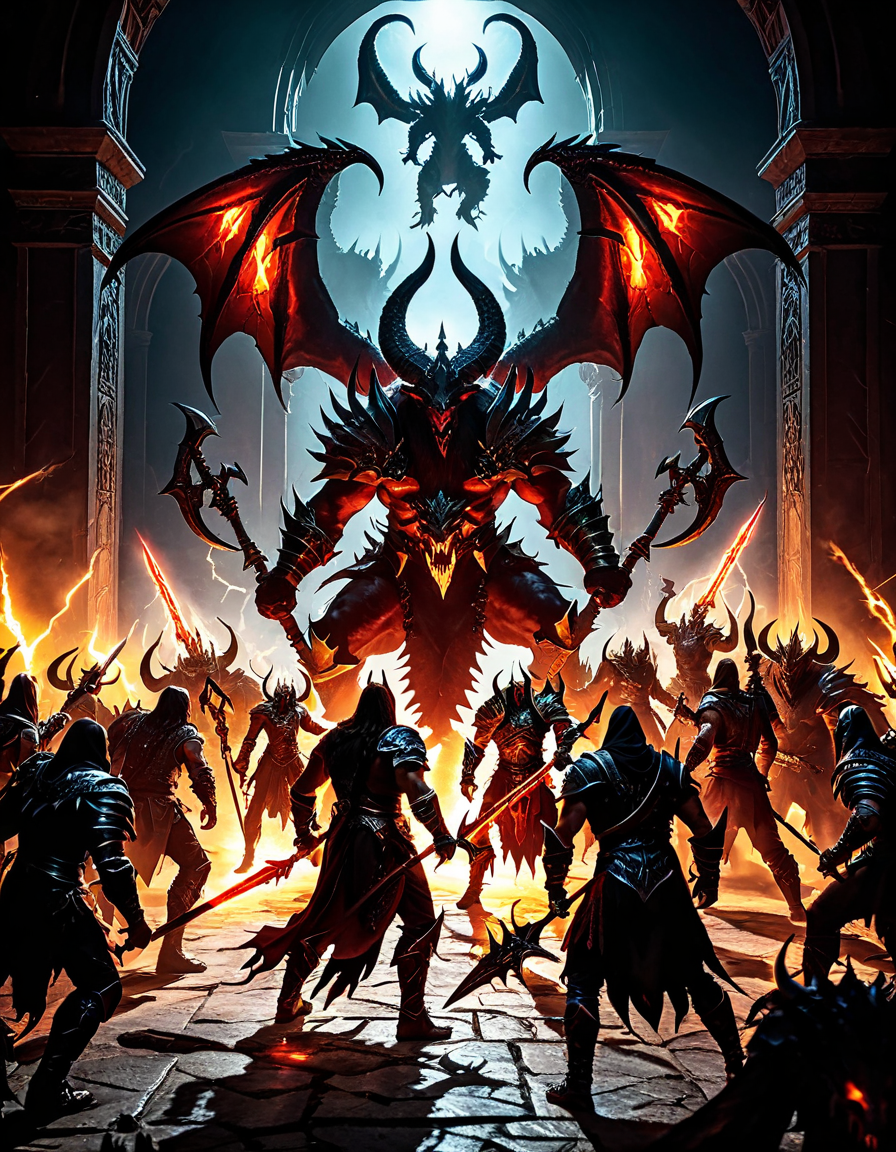
Fast forward to the current era, and we now have Diablo IV, released in 2023. It replayed the series’ deep-rooted themes of good versus evil while embracing open-world gameplay and continuously evolving seasonal events. With its stunning visuals and captivating narratives, it reaffirms Diablo’s commitment to innovation while honoring its rich legacy.
2. Top 7 Aspects of Diablo’s Iconic Influence
3. Diablo’s Narrative Innovations and Thematic Depth
At the heart of Diablo’s enduring success lies its exploration of fundamental themes like good versus evil. The narratives challenge players to grapple with moral complexities, prompting them to reflect on their choices in the face of relentless darkness. Each installment introduces characters that are as layered as the worlds they inhabit, sparking compassion, rage, or redemption.
As the series progressed, the narrative structure evolved. Real-world mythologies and folklore are intertwined with fictional lore, making the experience richer and providing depth. Players feel a sense of urgency to understand their surroundings and the stories behind the characters they meet.
Looking back at how storytelling was revolutionized in Diablo III, it’s clear that the addition of seasonal content and evolving stories breathed new life into the franchise. Players weren’t just revisiting the same narratives; they were delving into new content that expanded the universe infinitely.
4. The Community and Competitive Scene
Diablo’s online multiplayer modes have fostered a vibrant community, making it a cornerstone of social gaming. Speedrunning, which gained momentum in the Diablo community, shows players racing against the clock to finish the game as quickly as possible. This competitive spirit has led to friendships and rivalries intertwining, creating a camaraderie among players.
Community mods have flourished, allowing players to explore different facets of the game that extend beyond what’s originally offered. Annual events like BlizzCon allow gamers to come together, celebrate achievements, and share their favorite moments, ensuring the franchise remains a lively part of gaming discussions.
The community aspect of Diablo is about more than just gameplay; it’s a lifestyle. Players often engage in forums, share strategies, and reflect on the game’s evolving mechanics, ensuring its continued relevance.
5. The Artistic Legacy: From Graphics to Game Design
The visual style of the Diablo series stands as a testament to its artistic legacy. Early titles featured pixel art that captured a dark, moody atmosphere, but they’ve progressed to stunning 3D graphics with elaborate designs. These visuals didn’t just compete with contemporary games; they set standards for what players expect from an engaging narrative.
Comparative studies reveal that other franchises often reference Diablo’s aesthetics, proving its significant influence on game design. From character models to environmental design, elements from Diablo can be seen echoed throughout the gaming landscape.
As technology continues to evolve, the need for visual storytelling doesn’t diminish. Diablo’s commitment to striking graphics not only enhances the gameplay experience but elevates the industry standards overall.
6. The Future of the Franchise
With the release of Diablo IV, fans are buzzing about what lies ahead. The game embraces both new technologies and time-honored gameplay mechanics. Innovations like open-world gameplay, seasonal events, and story expansions breathe new life into the franchise while staying true to its roots.
As players dive deep into this glorious new chapter, the future looks bright. There’s opportunity to expand on the community’s engagement through new multiplayer modes, collaborations, and potential narrative expansions that delve into even darker corners of Sanctuary.
The evolution of gameplay mechanics, paired with the return to the Diablo roots, positions the series for another strategic leap forward. Players eagerly await what’s next, knowing that the storytelling will continue to challenge their perceptions while providing endless hours of enjoyment.
Wrapping It Up: Diablo’s Legacy and Future Impact
Reflecting on Diablo’s illustrious journey through gaming, it’s clear that its ability to influence genres, inspire new games, and engage communities solidifies its unique place in our collective history. While the franchise has transformed over the decades, its roots remain anchored in the dark lore and dynamic gameplay that initially captivated players.
As we look forward, Diablo is set to continue shaping the gaming industry, evoking nostalgia while infusing fresh perspectives into new installments. Whether you’re a seasoned veteran or a newcomer to the series, the legend of Diablo promises an exhilarating journey ahead, rich with adventure and discovery.
Diablo’s Dark Legacy: Fun Trivia and Interesting Facts
The Origins of Diablo
Did you know that the iconic franchise Diablo was first released in 1996? This action role-playing game put players smack-dab in the middle of a hellish battle against the forces of evil. Its dark atmosphere and rich lore have not only shaped its own lineage but have influenced many modern games. Interestingly, the game’s success helped establish Blizzard Entertainment as a heavyweight in the gaming industry, similar to how trash panda culture has taken the internet by storm while drawing inspiration from vivacious Cartoons and pop culture.
Also of note is how Diablo’s premise can feel as intricate as choosing the right Egyptian cotton bed Sheets for a peaceful night’s sleep; both require a mix of comfort and decision-making. Thanks to its compelling gameplay and engaging storylines, the franchise has spawned multiple sequels and expansions, ensuring its place in gaming history much like the enduring popularity of a Prada necklace in fashion circles.
Surprising Facts About Diablo
Here’s a fun twist—Diablo’s influence isn’t limited to just video games. Pop culture has eagerly absorbed its themes, often weaving references into art and media. You might see a nod to the series in films and TV shows, similar to the recurring role of bats in various horror films! Gamers often discuss the lore in depth, akin to fans of classic rock bands like Foreigner dissecting lyrics and stories behind the songs.
If you’re ever curious about the odds of finding a legendary item in the game, imagine booking cheap Flights To Florida. It’s all about the right timing and a bit of luck! In fact, graphics and gameplay have evolved drastically over the years, moving from the original’s simplistic design to the visually stunning Diablo IV, all while retaining that core addictive nature of dungeon-crawling.
Diablo continues to fascinate players both young and old, showcasing how legends can thrive through the ages. As gamers dive deeper into its dark narrative, it’s clear that just like a well-rounded portfolio, balancing fun with challenge keeps people coming back for more. From demon-slaying quests to crafting the perfect hero, Diablo remains an epic saga worthy of new and old fans alike.