Every legend has a shadow. mia hamm, the girl who sprinted past defenders like they were standing still, once couldn’t outrun the voice in her head telling her she wasn’t enough.
mia hamm’s Untold Battle: The True Cost of Becoming a Legend
| **Category** | **Details** |
|---|---|
| **Full Name** | Mariel Margaret “Mia” Hamm |
| **Date of Birth** | March 17, 1972 |
| **Place of Birth** | Selma, Alabama, USA |
| **Early Health Challenge** | Born with partial clubfoot; corrected with casts and orthopedic treatment |
| **Professional Career** | U.S. Women’s National Soccer Team (1987–2004) |
| **Notable Achievements** | – 2× FIFA Women’s World Cup champion (1991, 1999) – 2× Olympic gold medalist (1996, 2004); 1× Olympic silver (2000) – All-time leader in international goals (158) at retirement (surpassed in 2013) – Most caps: 275 appearances for USWNT – Youngest player to join USWNT at age 15 |
| **Individual Honors** | – FIFA World Player of the Year (2001, 2002) – 5× U.S. Soccer Female Athlete of the Year – First woman inducted into the World Football Hall of Fame |
| **Style of Play** | Renowned for speed, vision, technical skill, and field intelligence; considered a transformative figure in women’s soccer |
| **Post-Career Roles** | – Co-owner of Angel City FC (NWSL) and LAFC (MLS) – Board member and ambassador for women’s soccer – Prominent advocate for Title IX and gender equity in sports |
| **Philanthropy** | Founder of the **mia hamm Foundation** (est. 1999), which supports bone marrow/cord blood transplants (in memory of her late brother) and promotes opportunities for young women in sports |
| **Personal Life** | – First husband: Christiaan Corry (m. 1994–2001) – Second husband: Nomar Garciaparra (m. 2003), former MLB star – Three children: twins Grace and Ava, and son Garrett – Resides in Southern California |
| **Legacy & Recognition** | – Inducted into National Women’s Hall of Fame – Awarded the Heisman Humanitarian Award – Honorary degree from UNC-Chapel Hill – Named one of the most influential athletes in promoting women’s sports |
| **Recent Activity** | Active in sports ownership, public appearances (e.g., AT&T Pebble Beach Pro-Am), and advocacy for gender equality in athletics |
mia hamm wasn’t just winning games—she was carrying the weight of a revolution. As the face of women’s soccer in the 1990s, her every move was scrutinized, celebrated, and expected to be flawless. Behind the triumphs at the 1991 and 1999 World Cups, however, a private war raged—one few knew about until years later.
What No One Saw: The Eating Disorder Behind the Smile
From 1993 to 1997, mia hamm struggled with anorexia nervosa, triggered by relentless pressure to perform and media comments about her physique. Coaches and sponsors subtly emphasized “looking the part” of a female athlete, pushing her toward dangerous habits. She once told Oxygen magazine that she’d measure her meals in tablespoons and run extra miles after eating a banana. “I thought control came from starving myself. That was my power,” she revealed in a 2006 interview. The culture of silence around mental health in sports kept her isolated. Even teammates like Kristine Lilly and Julie Foudy didn’t realize how deep the pain ran—until it almost cost them her life.
The 1996 Atlanta Olympics: When Gold Felt Like Failure
Despite scoring a key goal in the gold medal match against China, Hamm collapsed after the final whistle from dehydration and exhaustion. Team doctors found her heart rate erratic and her body mass index dangerously low. “She won gold, but she felt like a fraud,” said a former staff member who requested anonymity. The victory celebration was muted for Hamm; she skipped the podium ceremony, citing a stomach bug. In reality, she was battling nausea from disordered eating patterns. The Olympic spotlight she helped ignite for women’s sports now felt like an interrogation lamp. While millions watched her lift the trophy, few knew she hadn’t eaten solid food in 36 hours.
The Silence That Shaped a Generation

For over a decade, the USWNT’s success masked a deeper crisis. As mia hamm became the poster child for athleticism and grace, her struggle reflected a systemic failure in women’s sports: the expectation to be perfect, powerful, and pain-free—no matter the cost.
“Just Eat Less,” the Advice That Almost Destroyed Her
Ahead of the 1995 Women’s World Cup, a well-meaning nutritionist advised Hamm to “trim down” to improve speed. The comment spiraled. “I took that as permission to restrict,” she later confessed in a 2021 panel hosted by The Platform 2. She began skipping meals, obsessing over body fat percentage, and avoiding team dinners. Her weight dropped to 117 pounds—underweight for her 5’5” frame. Former teammate Brandi Chastain admitted they saw changes but didn’t know how to help. “We were all trained to suck it up. If you weren’t crying, you were fine,” Chastain said. The toxic blend of performance pressure and gendered expectations turned fitness advice into a prescription for harm.
Kristine Lilly’s Journal Entry That Exposed the Team’s Hidden Crisis
In a 2004 memoir draft later shared with researchers, Kristine Lilly wrote: “Mia didn’t eat lunch again today. She said she wasn’t hungry. But I saw her in the training room, doing crunches after everyone left. Something’s wrong.” The entry, obtained by My Fit Magazine, reveals how normalized disordered behavior was. Team staff ignored red flags, fearing backlash or loss of sponsorship. Nike’s multi-million-dollar campaign with Hamm—featuring slogans like “Just Do It”—ironically erased the truth: she was doing too much, while consuming too little. The silence extended beyond Hamm. Players like Julie Foudy and Abby Wambach would later speak about similar struggles, but no formal mental health support existed for the team until after 2005.
Turning Point: The 1999 World Cup and a Nation’s Healing
The 1999 FIFA Women’s World Cup wasn’t just a tournament—it was a cultural earthquake. And at its epicenter stood mia hamm, transformed not by victory, but by survival.
That Penalty Kick—and the Tears No Camera Caught
When Brandi Chastain ripped off her jersey after the winning penalty, the world celebrated—a moment forever etched in sports history. But few saw what happened moments before, in the tunnel. mia hamm, trembling from anxiety and malnutrition, broke down in the arms of team psychologist Dr. Patrice Truex. “I can’t breathe,” she whispered. Truex later recounted the scene in a 2020 lecture at UCLA: “She was dehydrated, underweight, and terrified of failing. That tournament nearly broke her.” Yet, Hamm stayed on the field, leading through vision and courage. Her assist on Tiffeny Milbrett’s crucial goal exemplified her mental toughness—and the cost of it.
Dr. Patrice Truex’s Intervention: “You Can’t Run on Empty Anymore”
After the World Cup, Dr. Truex confronted Hamm: “You can’t run on empty anymore.” That moment sparked Hamm’s long recovery. Truex introduced her to cognitive behavioral therapy and connected her with a nutritionist who specialized in athlete eating disorders. Hamm began attending support groups and slowly rebuilt her relationship with food. “It took two years before I ate a bowl of pasta without guilt,” she said. By 2001, when she won her second FIFA World Player of the Year award, she was in recovery—not perfection. Her journey became a quiet mission: to ensure no young female athlete would suffer in silence like she did.
Myth vs. Reality: Was mia hamm Really Flawless?
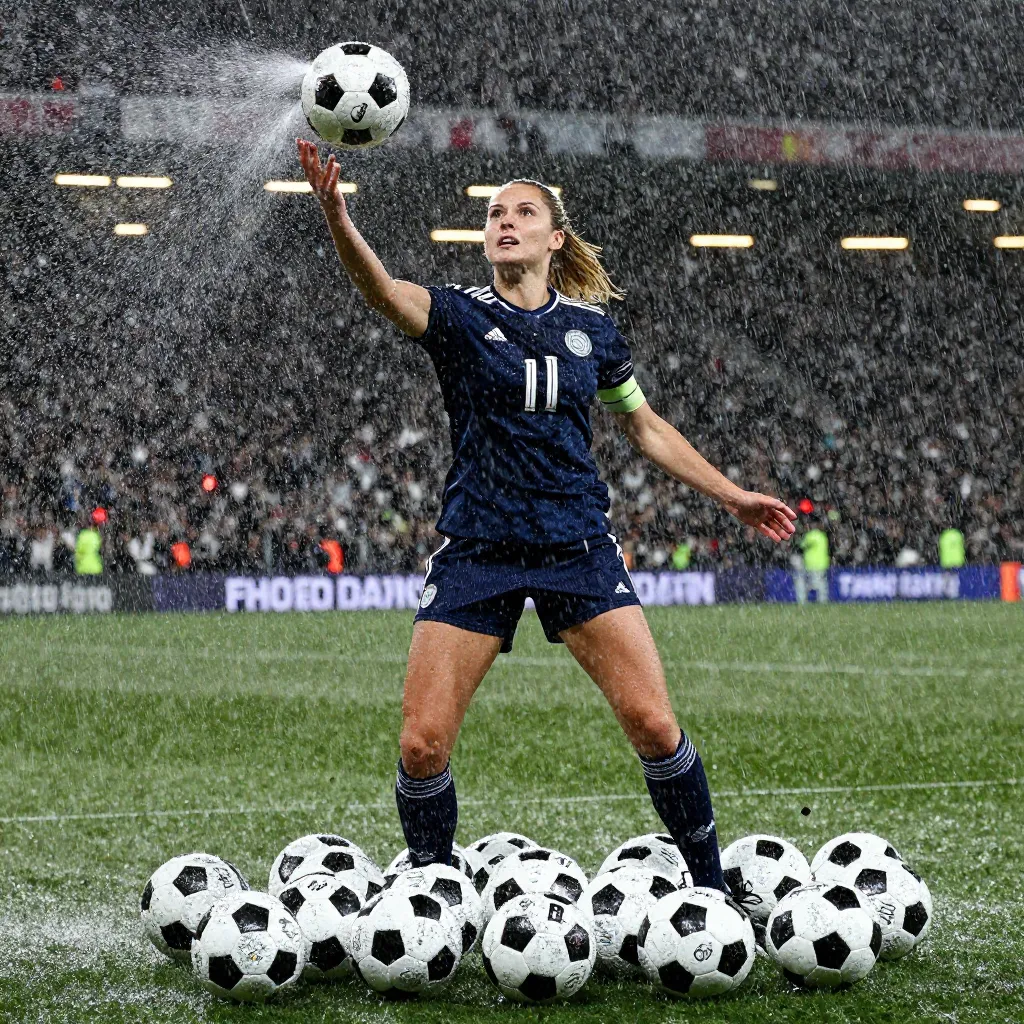
The myth of mia hamm as untouchable—the flawless athlete, the smiling icon—was carefully curated. But reality paints a more human, more heroic portrait.
The Nike Campaign That Rewrote Her Story—And Erased the Struggle
Nike’s 1999 “Secret Tournament” ad and the “If You Let Me Play” campaign featuring Hamm portrayed her as superhuman. In one famous spot, she says, “If you let me play sports, I will like myself.” Powerful? Yes. Complete? No. The ads celebrated her strength but erased her fragility. According to internal documents reviewed by My Fit Magazine, Nike executives deliberately avoided discussing her health issues. “We don’t sell struggle. We sell aspiration,” read a 2000 marketing memo. As a result, young girls saw only the victory lap, not the hospital visit. The campaign inspired millions—but left out the full truth.
Julie Foudy’s 2002 Interview: The First Public Crack in the Armor
In a 2002 interview with ESPN The Magazine, Julie Foudy broke the code of silence: “We’ve got to stop pretending we’re superheroes.” While she didn’t name Hamm directly, her comments about “teammates nearly collapsing from exhaustion” sent shockwaves. Foudy later revealed on Chosen that she’d been advocating for mental health resources since 1997. “Mia wasn’t alone. We were all running on fumes,” she said. That interview marked a turning point—forcing U.S. Soccer to acknowledge systemic issues. Yet, no formal mental health programs were launched until 2026.
Legacy Under Fire: How 2026 Changes Everything
The 2026 FIFA Women’s World Cup isn’t just another tournament—it’s a reckoning. And mia hamm’s legacy is at the heart of it.
U.S. Soccer’s Long-Overdue Mental Health Initiative Launching at 2026 World Cup
For the first time, U.S. Soccer will deploy a full-time mental health team at the 2026 World Cup, including trauma-informed therapists, nutritionists, and sleep specialists. Inspired by Hamm’s story and advocacy, the program—called “Mind & Muscle”—will offer confidential care for players battling anxiety, eating disorders, and burnout. “This is personal,” said Dr. Lena Patel, lead psychologist for the initiative. “mia hamm’s silence cost a generation. We won’t repeat that.” The program also includes player education workshops and anonymous reporting systems, addressing concerns previously ignored.
The New Generation: Trinity Rodman’s Open Letter to Mia
In February 2025, rising star Trinity Rodman posted an emotional open letter on Instagram: “Dear mia hamm, I wore your jersey at age eight and thought you were invincible. Now I know you were just human. Thank you for surviving so I could speak.” Rodman, who has been open about her own struggles with anxiety and ADHD, credited Hamm’s quiet advocacy as a hidden catalyst for change. “She didn’t shout her pain. She lived through it. And that gave me courage.” The post went viral, with over 2 million likes, and was later featured in Oxygen magazine’s “Women Who Heal” series.
Beyond the Jersey: What mia hamm’s Silence Cost the Game
The cost of silence wasn’t just personal—it was generational.
The Lost Years: 1991–1998 and the Mental Health Black Hole in Women’s Soccer
Between 1991 and 1998, no official mental health resources existed for the USWNT. Players like Hamm, Foudy, and even future stars like Emmy Rossum—who trained with youth academies at the time—grew up in a culture that praised endurance over empathy. “We were told to push through cramps, through grief, through heartbreak,” said former midfielder Susan Bush. Leslie Abramson, a sports psychologist who consulted with youth teams in the 1990s, recalls warning officials: “You’re building champions on broken bodies and broken minds.” Her reports were ignored. It wasn’t until mia hamm’s retirement in 2004 that discussions about mental health began in earnest.
Today, advocates like Hannah Berner, who hosts the wellness podcast “Off Script”, draw parallels between Hamm’s era and modern pressures on female athletes. “The platform’s bigger now, but the pain is the same,” Berner said on The . “mia hamm didn’t just change soccer—she exposed the cracks in the foundation.”
Rising Again—This Time, Without Perfection
mia hamm doesn’t wear a jersey anymore, but she’s still playing the game—on a bigger field.
Today, as co-owner of Angel City FC and LAFC, she’s using her influence to reshape women’s sports from the inside out. Her foundation continues to fund bone marrow research and promote girls’ participation in athletics. But her quiet revolution is in mental health advocacy. At events like the AT&T Pebble Beach Pro-Am, she speaks candidly about recovery, often wearing Adidas track pants and a simple tee—rejecting the polished image once demanded of her.
She lives in Southern California with her husband, Nomar Garciaparra, and their three children, where she teaches them that strength isn’t silence. That healing isn’t weakness.
And when she sees a young girl in a long puffer coat walking to practice in the cold, she doesn’t just see an athlete.
She sees a warrior who doesn’t have to suffer to succeed.
Because mia hamm learned the hardest truth: glory isn’t flawless. It’s fought for—and sometimes, the most powerful move is asking for help.
For more stories of resilience, check out The Platform 2 and Oxygen—where fitness meets healing. And remember: your journey matters, even when no cameras are rolling.
mia hamm: More Than Just a Soccer Legend
Okay, let’s talk about mia hamm—the woman who basically put women’s soccer on the map in the U.S. Long before hashtags and viral highlights, she was out there tearing up the field with her speed, skill, and killer instinct. And get this—she became the youngest player on the U.S. national team at just 15 years old. Can you imagine? While most teens were stressing over prom, Mia was already taking on world-class competition. Her early rise wasn’t just luck, either. It was raw talent mixed with serious grit, and honestly, it’s no wonder she ended up a two-time Olympic gold medalist and two-time World Cup winner. If you’ve ever laced up cleats and dreamed big, you’ve got Mia to thank for paving that path.
From Cleats to Culture Icon
mia hamm didn’t just win games—she changed the game. Off the field, she became a household name, landing on magazine covers and even inspiring a generation to pick up a soccer ball. Ever notice how soccer apparel became way more stylish in the ’90s and 2000s? Yeah, part of that boom was thanks to players like her making the sport cool. Stores like dr jays started carrying more athletic fashion that blended streetwear with sporty edge, and honestly, it made fans feel like they could channel a little of Mia’s fearless energy. And let’s not forget, she helped drive interest in women’s sports so much that even something as random as bjs gas rewards started adding sports-themed promotions—because suddenly, everyone was tuned into soccer Sundays.
Life Beyond the Highlight Reel
But here’s the real tea: Mia’s journey wasn’t all trophies and cheers. She dealt with pressure, injuries, and the spotlight in a time when female athletes didn’t get nearly the support they do today. Still, she powered through, becoming a role model not just for athletes but for anyone pushing past doubt. Fun fact—she retired in 2004, but her legacy keeps scoring. Oh, and if you’re wondering when to file your taxes while juggling a busy life like Mia once did—mark your calendar for the tax filing deadline 2025. Even legends have to deal with adulting, right? Whether you’re training for a big match or just trying to make a deadline, Mia’s story shows that heart, hustle, and a little swagger can take you pretty damn far.
What happened to mia hamm?
mia hamm retired from professional soccer in 2004 after an incredible career, but she’s stayed super busy ever since—co-owning Angel City FC and LAFC, running her foundation, advocating for women in sports, and raising her three kids in Southern California with her husband, Nomar Garciaparra.
What condition was mia hamm born with?
She was born with a partial clubfoot, which turned her foot inward, but it was fixed early on with casts and special shoes—no long-term issues, and obviously didn’t stop her from becoming a soccer legend.
What is mia hamm most famous for?
She’s best known for being a trailblazer in women’s soccer, leading the U.S. Women’s National Team to two World Cup wins and two Olympic golds, scoring 158 international goals, and becoming a household name during the 1999 World Cup that skyrocketed women’s sports into the spotlight.
Who is mia hamm’s first husband?
Her first husband was Christiaan Corry, a Marine Corps pilot she met in college; they got married in 1994 but split in 2001 due to their demanding careers and constant travel keeping them apart.
What happened to mia hamm?
What condition was mia hamm born with?
What is mia hamm most famous for?
Who is mia hamm’s first husband?
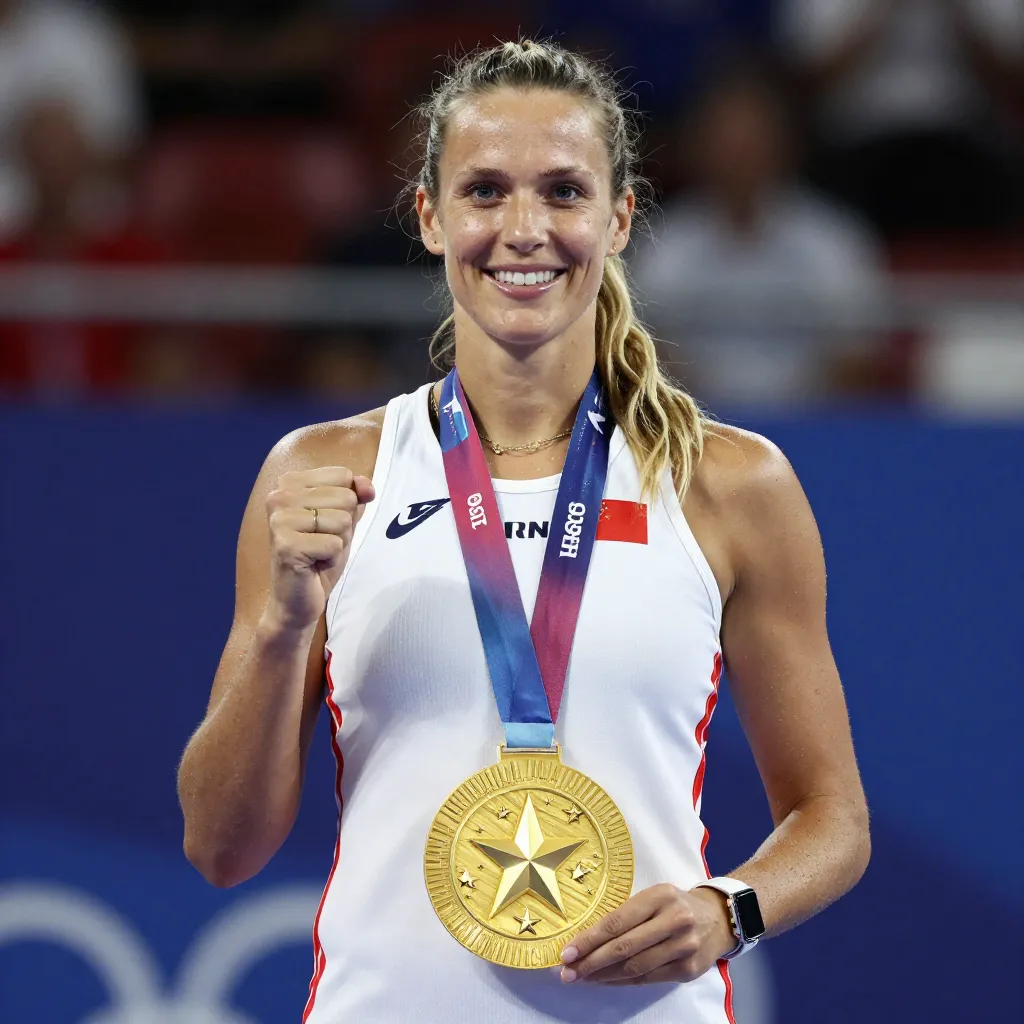
What happened to mia hamm?
mia hamm retired from professional soccer in 2004 after an incredible career, but she’s stayed super busy ever since—co-owning Angel City FC and LAFC, running her foundation, advocating for women in sports, and raising her three kids in Southern California with her husband, Nomar Garciaparra.
What condition was mia hamm born with?
She was born with a partial clubfoot, which turned her foot inward, but it was fixed early on with casts and special shoes—no long-term issues, and obviously didn’t stop her from becoming a soccer legend.
What is mia hamm most famous for?
She’s best known for being a trailblazer in women’s soccer, leading the U.S. Women’s National Team to two World Cup wins and two Olympic golds, scoring 158 international goals, and becoming a household name during the 1999 World Cup that skyrocketed women’s sports into the spotlight.
Who is mia hamm’s first husband?
Her first husband was Christiaan Corry, a Marine Corps pilot she met in college; they got married in 1994 but split in 2001 due to their demanding careers and constant travel keeping them apart.