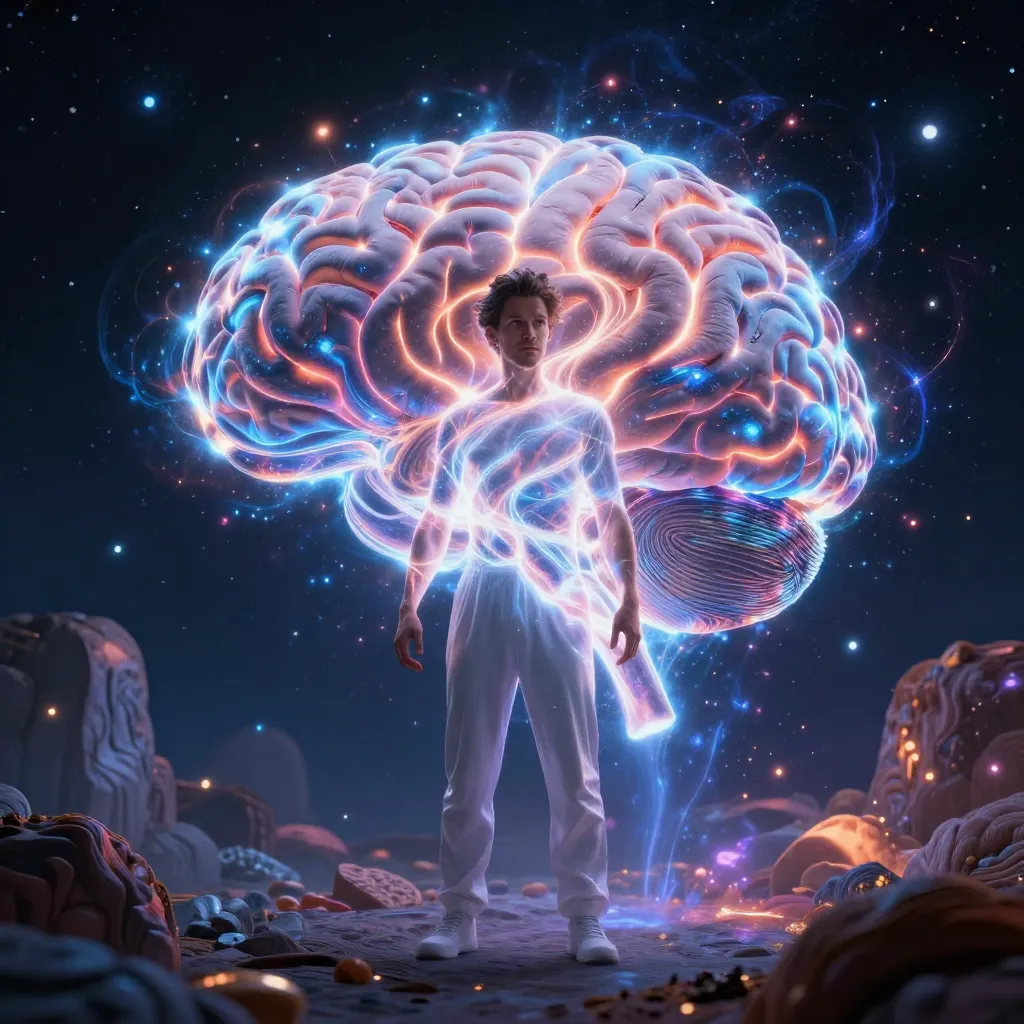
Annihilation—what a chilling term. It conjures up feelings of dread and the existential horror of our very existence. In literature and films, it’s become a popular theme, often exposing our deepest fears and the fragile nature of our identities. Stories like Jeff VanderMeer’s Annihilation and its film adaptation by Alex Garland brilliantly illustrate this idea. They play with our understanding of self-preservation and the scary notion of losing oneself. We’re all in this fascinating journey together, navigating the big questions about who we really are when faced with existential threats.
The Concept of Annihilation in Literature and Pop Culture
Annihilation is not just a buzzword; it’s a recurring theme that reflects human nature. Throughout various narratives, we witness characters grappling with their identities while facing annihilation in different forms. Here are some impactful examples:
Frank Miller’s graphic novel isn’t just about superheroes. It’s an intense clash of ideologies, showcasing how fear can lead us to the brink of destruction. The annihilation of their beliefs transforms the very essence of justice in this iconic narrative.
This haunting tale of survival between a father and son in a post-apocalyptic world offers a gut-wrenching look at human relationships. As they confront societal collapse, the story powerfully illustrates the annihilation of both civilization and the human spirit.
A philosophical whirlwind, the Matrix series challenges our perception of reality. The fear of becoming just another cog in the machine pushes characters to confront their identities, leading to psychological annihilation.
Alfonso Cuarón’s film sends us deep into a world ravaged by infertility and despair. It reflects a society facing the annihilation of hope, compelling characters to fight for purpose and meaning amid chaos.
Garland’s film does a remarkable job of translating VanderMeer’s unsettling narrative about self-destruction. The Shimmer’s transformative nature serves as a metaphor for annihilation, confronting characters with their deepest fears and leading to a redefinition of self.
This film presents a gripping scenario where class struggles escalate within a confined space. The fear of annihilation leads to violent confrontations, serving as a commentary on societal identities, reminding us how far humans can go to survive.
George Orwell’s classic serves as a harrowing warning against totalitarianism. The constant fear of surveillance signifies annihilation of individuality, forcing people into a collective identity stripped of personal thought.
The Nightcrawler Phenomenon: A Study in Human Morality
Now, take a look at Lou Bloom from Nightcrawler. His story paints an unsettling image of ambition overshadowed by moral decay. As he maneuvers through the crime-ridden streets of Los Angeles, his thirst for success leads to the annihilation of ethics. It makes us question, how much is one willing to sacrifice? Lou illustrates the dire consequences of valuing perception over morality, blending his identity with the ruthless image of modern media.
In our fast-paced world, where image often trumps truth, Bloom’s journey prompts us to reflect on our values. The annihilation of moral boundaries can have dire implications for personal identity in today’s society. It challenges us to navigate life’s complexities without losing sight of who we are at our core.

Unpacking the Psychological Layers of Annihilation
The psychology behind annihilation introduces us to the intertwined relationship between fear and identity. It forces us to confront our inherent vulnerabilities regarding mortality. The fear of annihilation—whether self-imposed or societal—pushes us to look deeper:
Terror management theory shows how awareness of our mortality dramatically impacts our behavior. A simple glance at recent events makes it clear; this awareness can lead to aggression against perceived threats or heightened allegiance to ideologies that foster a sense of belonging. Our motivations often stem from a fear of annihilation, subtly shaping our identities and actions.
Revisiting Annihilation: Perspectives and Future Implications
As we zoom into the moment, the theme of annihilation feels strikingly relevant. With growing concerns like climate change, political turbulence, and rapid technological advancement, new fears emerge that challenge our identity. Whether found in literature, film, or real-life discourse, the narrative of annihilation compels us to confront our worst fears. It begs the question—who are we when faced with the ultimate obliteration?
By unraveling these themes, we come to understand the significance of both personal and collective narratives grappling with fear and identity. The journey through annihilation isn’t just about fearing loss; it’s about redefining ourselves as we face an unpredictable future. Our resilience in confronting these narratives could pave the way for crafting new identities in a complex world.
So, let’s brace ourselves for the journey. With courage, we can move forward, forging a new path in our lives that acknowledges the concept of annihilation but also celebrates our enduring spirit.
Annihilation: A Journey Through Fear and Identity

Strange Beginnings in Annihilation
Did you know that “Annihilation” is based on Jeff VanderMeer’s haunting novel? The film dives deep into themes of self-destruction and transformation, capturing the audience’s attention right from the start. It’s almost like how the cast Of Scream 6 brings a fresh twist to horror, keeping us on the edge of our seats. VanderMeer’s work pushes viewers to ponder their own identities while confronting the eerie occurrences inside the Shimmer, blurring the line between fear and understanding.
The Subtext of Identity
There’s something truly magnetic about the way “Annihilation” explores identity. The story’s protagonist, played by Natalie Portman, experiences profound transformations that mirror life’s struggles with self-acceptance. In a similar manner, when looking at the Filmography Of Johnny depp, you can see the layers of identity he brings to his characters—often grappling with their own existential dilemmas. The movie also invites discussions about how we perceive ourselves and alter through experiences, almost like the altering stats in the Tampa Bay rays Vs Pittsburgh pirates match player Stats, showcasing the changes players undergo during a season.
Connections to the Broader Universe
On a lighter note, before diving too deep into identity crises, it’s fascinating how “Annihilation” intersperses science fiction with psychological horror. Did you know that the character names like “Rico” often have special meanings? It adds another layer for fans curious about how names fuel character identity—much like how the term rico meaning indicates richness, pointing towards depth in characters. It resonates with the themes of beauty and destruction present in the film. Exploring these depths can highlight how fear weaves through narratives, inviting audiences to reflect on their own lives and choices, much like fans of Jerry Garcia, who find solace and meaning in music despite life’s chaos.
Whether it’s pondering identity or delving into deeper themes, “Annihilation” creates a space for thought-provoking discussions that stick with you long after the credits roll. So, keep an eye on those intricate details; they might reveal more than you think!