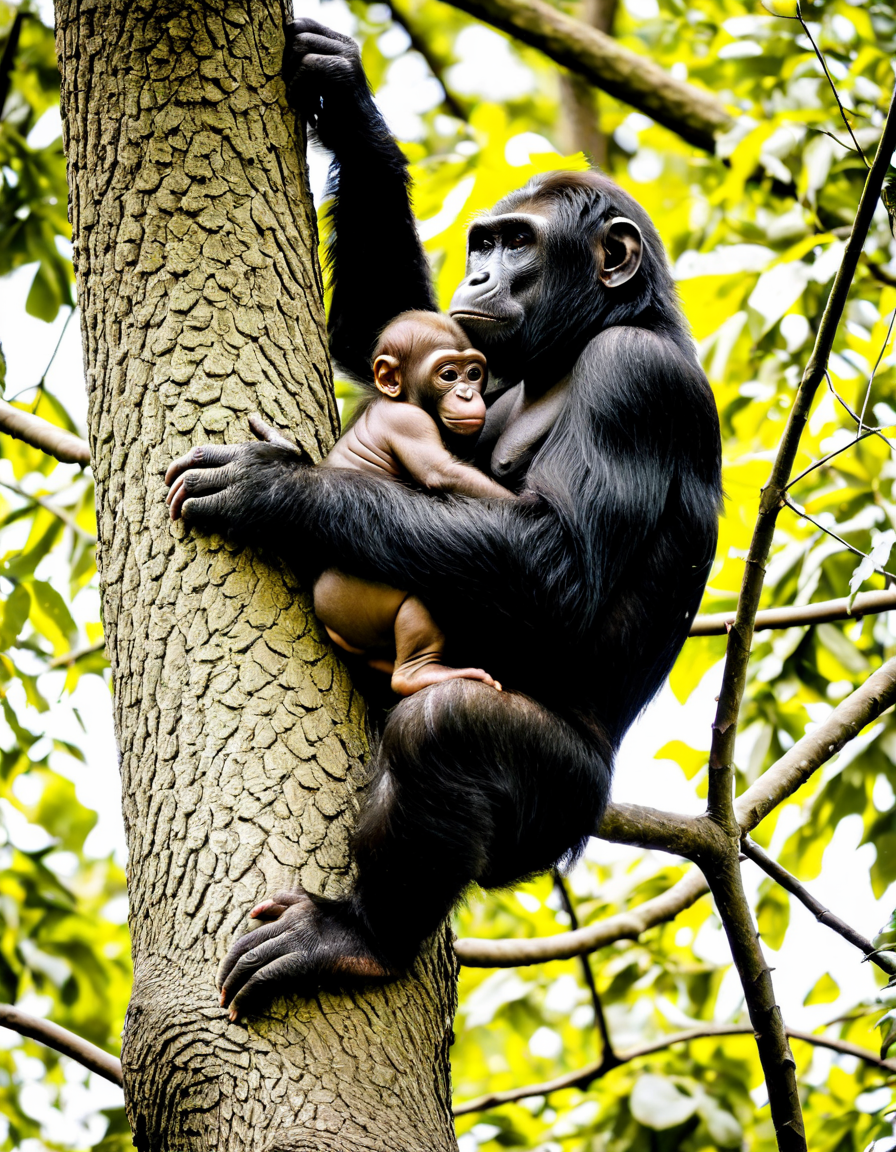
The ape family is an astounding part of our planet’s biodiversity. Apes, classified under the Hominoidea superfamily, include gibbons, orangutans, gorillas, bonobos, and chimpanzees. These remarkable creatures boast striking traits that go beyond appearances, often captivating the fascination of many. Unlike monkeys, apes don’t have tails and have noticeably larger brains in comparison to their body size. This superior brain capacity allows apes to develop incredible cognitive skills, complicated social structures, and impressive problem-solving abilities. For example, studies reveal that chimpanzees can use tools and show complex emotions. This showcases not just their intelligence but also the emotional depth of the ape species.
The Unique Traits of Apes: more Than Just Primates
Apes are known for their strong familial bonds and cooperation. They live in various social systems that reflect the complexity of their relationships. Their emotional intelligence is evident, as they engage in behaviors mirroring human sentiments, such as empathy, joy, and even sorrow. Remarkably, an ape’s ability to communicate and form alliances can teach us important human qualities related to trust and social integration.
Environmental adaptations also highlight how specialized apes can be. For instance, the long arms of orangutans make them perfect tree-dwellers, while gibbons are known for their exceptional swinging abilities. There’s so much to admire about these creatures, making it vital that we learn more about them in order to appreciate the intricate tapestry of life we share with them.

Top 5 Fascinating Species of Apes You Should Know
1. Chimpanzees: The Cultural Innovators
Chimpanzees are our nearest genetic relatives, sharing about 98% of DNA with humans. Their social structures are exceptionally complex, showcasing behaviors that resemble human cultures—from tool usage to significant social interactions. What’s more, they often learn skills by observing others, forming a rudimentary culture that varies among different groups.
Imagine watching a chimpanzee skillfully use a stick to fish for termites—it’s nothing short of impressive! Their cultural diversity prompts us to reflect on the importance of learning and adaptation in our own lives.
2. Bonobos: The Peaceful Primates
Bonobos carry a well-earned reputation as the more peaceful cousins of chimpanzees. Living in matriarchal societies, they foster strong bonds through unique, playful interactions that emphasize empathy and cooperation. These peaceful primates resolve conflicts through non-aggressive means, making their social structure incredibly fascinating to study.
If you’re ever in need of a reminder about handling disagreements, watching bonobos could inspire compassionate approaches. Their joyful interactions highlight the importance of building connections rather than fostering hostility.
3. Gorillas: The Gentle Giants
Gorillas exhibit a combination of great strength and gentleness, earning the title of the largest species among the apes. These gentle giants live in family groups led by a dominant male known as the silverback. Remarkably, their social structures stress cooperation and strong familial ties, making them exemplary role models for family dynamics.
When you see a silverback nurturing its young, it presents a heartwarming image of family support and unity. This offers valuable lessons not just for understanding nature but also for strengthening our own family bonds.
4. Orangutans: The Tree-Dwellers
Orangutans are often considered solitary creatures, primarily residing in the treetops of rainforests. With their long arms, they are perfectly adapted for climbing and swinging among the branches. Their high intelligence shines through in their tool usage and exceptional memory, particularly for locating fruit-bearing trees.
Living in such a unique ecosystem provides them with the skills to thrive, leaving us with insights on the importance of adaptation and memory in our own daily lives.
5. Gibbons: The Acrobats of the Forests
Gibbons have earned a reputation as the gymnasts of the ape world. Their incredible brachiation skills allow them to swing gracefully through the trees. Additionally, they exhibit an impressive vocal range, using complex songs to communicate and mark their territory.
When you hear their calls echoing through the forest, it’s a reminder of the beauty and diversity that exists within nature, urging us to appreciate these fantastic vocal performances.
The Social Structures of Apes: Insights into Complex Communities
Apes demonstrate highly intricate social structures that reveal much about their communities. For instance, research conducted by the Max Planck Institute highlights the ability of chimpanzees to form and shift alliances based on circumstances. This flexibility showcases their depth of social intelligence, revealing insights about cooperation and favoritism that could apply to our own lives.
Moreover, these social dynamics influence everything from mating habits to resource sharing. By recognizing these relationships, we gain a deeper understanding of how to foster community and build strong social ties.
The Importance of Conservation Efforts for Apes
With escalating threats like habitat destruction and poaching, many ape species are fighting for survival. Organizations such as the World Wildlife Fund and the Dian Fossey gorilla fund spearhead the cause to protect these magnificent animals. Their initiatives emphasize the need to preserve not just the apes but the ecosystems that sustain them.
Statistics from the International Union for Conservation of Nature (IUCN) indicate that certain species, such as the Sumatran orangutan, are critically endangered, making conservation efforts more urgent than ever. If you love animals, consider supporting these fundamental initiatives.
Human-Ape Connections: Understanding Our Primate Relatives
The bond between humans and apes extends far beyond our genetic similarity. Apes unveil insights into human evolution, behavior, and ethical considerations. They challenge us to rethink our understanding of intelligence; their emotional depth compels us to appreciate non-human consciousness.
Documentaries and series, like Planet Earth ii, have illustrated these connections beautifully. Witnessing the lives of apes encourages us to recognize the shared experiences and emotions that unite all sentient beings.
A Future with Apes: Protecting Our Common Heritage
As we explore the fascinating world of apes, we must acknowledge our shared responsibility for their conservation. Understanding our ties to these incredible creatures extends beyond biological connections; it fosters a relationship rooted in respect and empathy. By promoting awareness and lending support to conservation ahead, we can safeguard the rich lives of these extraordinary animals for generations.
In conclusion, delving into the world of apes offers not just knowledge; it enriches our humanity. Their lives teach us profound lessons about compassion, community, and the environment. Let’s embrace this wisdom and strive for a world where all beings can flourish together. Remember, our actions today can leave a legacy for tomorrow—protecting our remarkable ape cousins is not just a choice; it’s our duty.
Ape: The Fascinating World and Traits of This Amazing Animal
Curious Ape Facts
Did you know that the genetic makeup of an ape, particularly chimpanzees, is remarkably similar to that of humans? We’re talking about a staggering 98% DNA match! This similarity has led to some amazing studies, like that of six brothers with schizophrenia, showcasing how closely our minds and behaviors can align. This deep connection raises a lot of questions about human evolution and intelligence. Just like our ape cousins, humans are social creatures who thrive on community, and just like Joe Hootens film explores emotional connections, apes have been observed forming strong bonds within their troops.
Another fun trivia nugget: apes use tools, and they’re not shy about showing off their skills! Whether it’s using sticks to fish for termites or rocks to crack nuts, these clever critters demonstrate impressive problem-solving abilities. So the next time you think of a buddy trying to impress someone, remember that apes have been doing the same for years. They even flaunt their tool-use in playful interactions, showcasing not only their intelligence but also their playful spirit, akin to the carefree nature found in surprising places, like Hilary Duff’s naked photoshoots—they push boundaries and challenge norms just by existing!
Social Structures and Communication
Ape society is chillingly fascinating. These animals communicate in a variety of ways, from vocalizations to body language, and they can convey emotions that resemble human feelings. It’s not uncommon to see them express joy, sadness, or even anger—similar to how we might feel when scrolling through our feeds or watching a movie. Each troop has its own social structure, much like a close-knit group of friends. And speaking of friendships, have you ever tried to figure out how much trust plays a part in relationships? Well, in the ape world, trust is foundational, much like how “buddy” systems work in human interactions where loyalty is key to maintaining harmony.
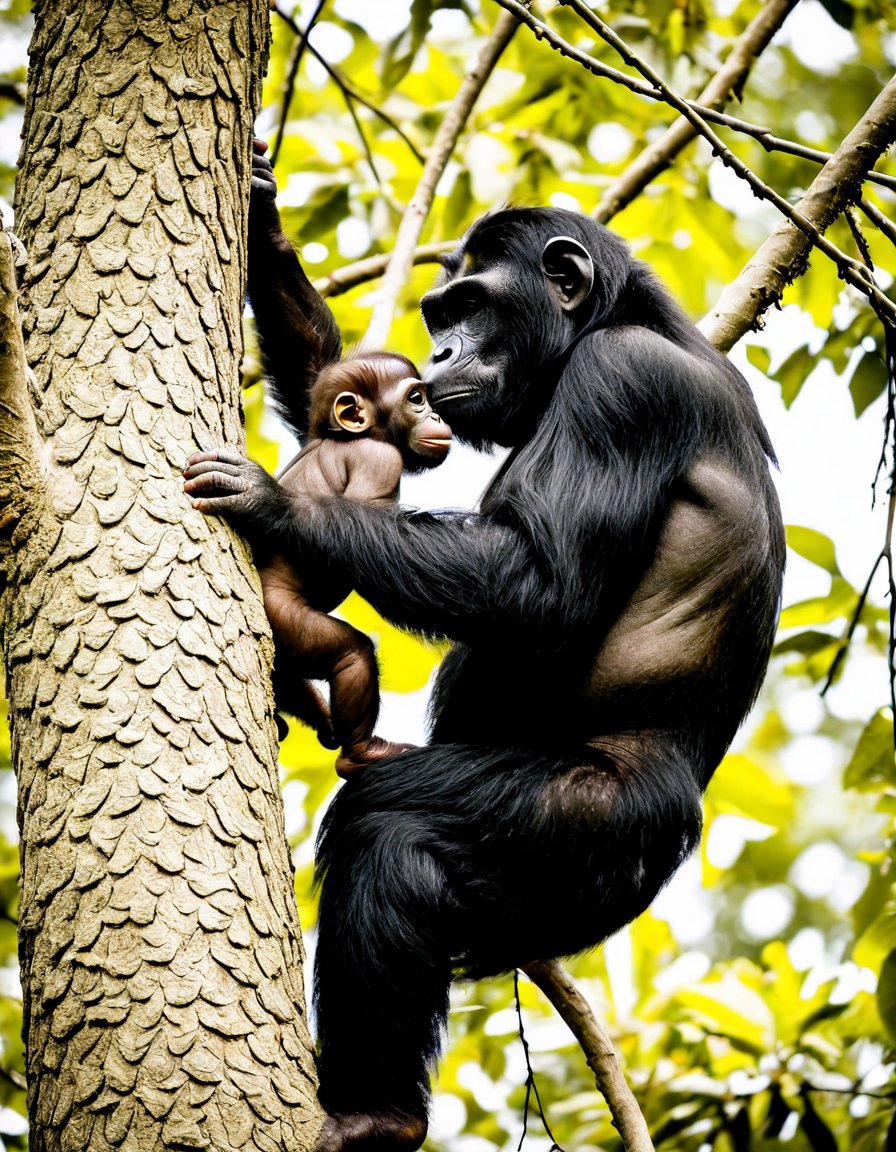
Moreover, apes have their own parenting styles that vary by species. Mother apes tend to be extremely nurturing, putting an emphasis on bonding with their young, making the early years crucial in teaching survival skills. This casts a new light on how we might relate to their behaviors. It’s a reminder that, even in their animalistic nature, there are threads connecting us—akin to that feeling when you see something nostalgic and it reminds you of simpler times. With so many similarities, it’s clear that understanding apes is not just for scientists; it offers valuable insights into our own behaviors and emotions.