Beastars, created by Paru Itagaki, is not just another anime; it’s a riveting exploration of identity and societal dynamics in an anthropomorphized world teeming with sentient animals. Picture this: a society where predators and prey coexist, yet their natural instincts often lead to tension and conflict. The narrative lives and breathes complexity, diving into the moral struggles and questions of self that resonate well beyond the screen. Through the journey of characters like Legoshi, a gray wolf, and Haru, a white dwarf rabbit, viewers are drawn into a whirlwind of adventure and existential quandaries.
Understanding Beastars means grappling with its rich tapestry of themes that ask—from the pages of its manga to the frames of its anime—what it truly means to be oneself in a world that often confines individuals to presets and stereotypes. This article invites You to peel back the layers and examine why Beastars has captured the hearts of fans, blending excitement with heartfelt lessons in identity and belonging.

1. The Enigmatic Lore of Beastars: An Overview
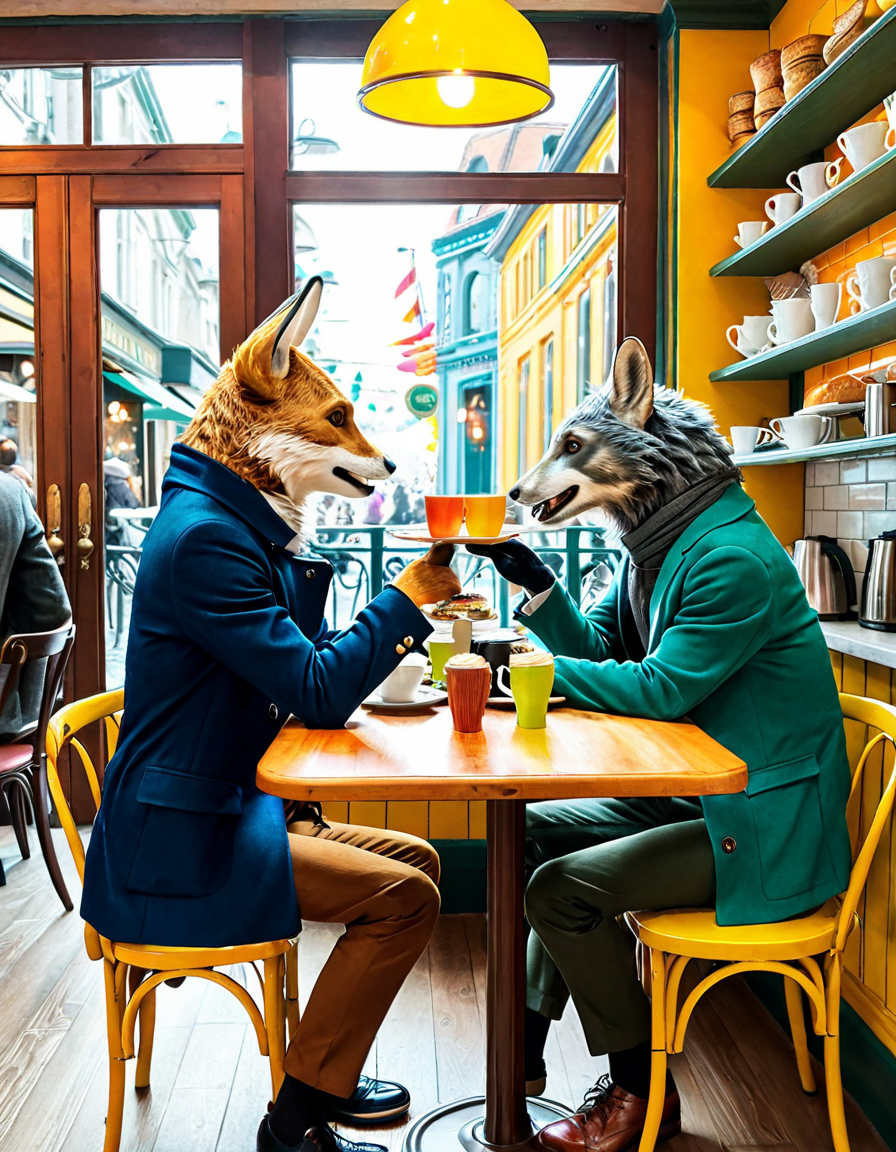
At first glance, Beastars appears to be a story about animals, but its depth reaches far beyond that notion. This anime and manga series presents a compelling backdrop—an academy where students are animals, each representing their species’ traits and societal roles. However, this beautifully crafted world is rife with prejudice, aspirations, and contrasting instincts.
The protagonist, Legoshi, struggles to reconcile his predatory instincts with his desire for connection, particularly with Haru. As the plot unfolds, viewers watch their world become a reflection of our own, where questions surrounding identity and societal roles are constantly challenged. This isn’t just a tale of survival amongst fierce instincts; it’s an allegory for modern life, encouraging viewers to confront their identities amidst conflicting societal expectations.
In this poignant narrative, we also find a critique of class and social expectations, symbolized through iconic imagery—like the elegant tophat that denotes status, ambition, and a desire to fit into society’s mold. Unpacking these multifaceted threads reveals how an anime can provoke strong philosophical queries about the world we live in.
2. Top 7 Themes in Beastars That Define Its Unique Landscape
The brilliance of Beastars lies in its multifaceted themes. Here are the top seven themes that form the core of its fascinating narrative:
Central to Beastars is the struggle for identity. Characters such as Legoshi and Haru wrestle with their perceptions shaped by societal expectations versus their personal truths. Their journey serves as a mirror for viewers—shining light on the challenges of self-acceptance in a judgmental world.
Beastars offers a frank portrayal of societal discrimination that mirrors real-world racism and biases. The predator-prey dynamic unveils stark realities about intolerance and the need for empathy—encouraging viewers to examine their own prejudices through storytelling.
Legoshi’s ongoing battle between his predator instincts and his feelings for Haru demonstrates the theme of fear in relationships. This tension invites viewers to reflect on how fear often influences interpersonal relationships, a relatable struggle for many.
Relationships within Beastars showcase the power of friendship. Bonds between characters like Legoshi and Gochikawa exemplify loyalty that transcends species, emphasizing compassion in a society that divides them.
The series critiques the pressures faced by young individuals today. Many characters are typecast into roles—be it the fierce predator or the caring herbivore—illustrating how such expectations can hinder personal growth and genuine connections.
Courage shines brightly in moments of sacrifice throughout the series. Legoshi’s choices to protect those he loves not only demonstrate bravery but highlight the importance of selflessness in friendship.
Love in Beastars isn’t confined to romantic relationships. The series delves into platonic friendships, family connections, and romantic tensions, painting a full picture of affection that resonates deeply.
3. The Role of the Tophat: Symbolism in Beastars
The tophat serves as a profound symbol within the storyline of Beastars. Characters, especially Louis, sport this accessory to signify class distinctions and social ambition. It symbolizes more than just a style choice—it raises questions about the façades we adopt in our public lives.
The portrayal of the tophat resonates across cultures, urging us to reflect on our identities and how far we go to fit into societal norms.
4. The Cultural Impact of Beastars in 2026
Fast forward to 2026, and the cultural imprint of Beastars remains palpable, igniting discussions about identity and belonging in contemporary communities. Beastars’ influence stretches globally, with fans from all walks of life engaging in conversations sparked by the series.
The Future of Beastars: An Ongoing Journey
As Beastars evolves, it retains its relevance on topics like identity and societal norms. These captivating themes continue to stimulate vital discussions about understanding oneself amid external expectations. This passionate narrative resonates with the complexities of modern life—encouraging enthusiastic dialogue and thought-provoking insights.
In a world grappling with identity challenges and cultural dynamics, Beastars stands as a powerful reminder of our shared complexities, beckoning us not just to watch, but to engage meaningfully with the storytelling medium. The world of Beastars, with its enchanting tales laden with deeper meanings, will keep inspiring audiences for years to come, urging us to confront our own identities along the way.
So, next time you dive into Beastars, remember that you’re not just indulging in a fiction; you’re inviting a dialogue about who we are and who we strive to be. This anime truly encapsulates that intricate journey of self-discovery—one frame at a time.
The Captivating World of Beastars
Unfolding Intrigue in Beastars
If You think animal personalities are solely for children’s cartoons, think again! Beastars offers a thrilling and thought-provoking dive into a society where predators and prey coexist, packed with emotional depth and philosophical themes. Did you know that the series has dazzled its viewers with captivating themes of identity? It’s so relatable that it reminds us of how we grapple with personal challenges, just as Oliver Anthony expresses in his music, tapping into deep emotions that resonate.
In this vibrant world, the characters are more than just animals—they embody human traits that present real-world issues like love, fear, and acceptance. For instance, the timid wolf Legoshi frequently faces his instincts and societal expectations, which is a bit like balancing the fun chaos of Sloppy Mario, where characters find themselves in wacky situations. It elevates our understanding of identity not just through plot but by intertwining emotional arcs that keep fans glued to their screens.
Did You Know? Fascinating Bits About Beastars
Here’s a fun nugget for you: Beastars has garnered acclaim not just for its storytelling but also for its groundbreaking animation techniques. It straddles the line between vibrant visuals and deeper content, echoing the inventiveness seen in fresh projects like Oceangate, where resources span beyond traditional boundaries. As you watch the characters navigate their social landscape, you’ll encounter themes of ambition and creativity that resonate well with the time we find ourselves in—a quest for novelty, similar to how Handy Manny relies on teamwork to overcome obstacles in his simple, yet engaging universe.
Speaking of engaging connections, the animal dynamics in Beastars can sometimes feel like watching Guy Gardner take the lead in a thrilling comic saga. The interactions show how friendships blossom even in competing interests, like mixing celery seed in your diet for a healthy twist. Each character embodies layers that reflect our own complexities, reminding fans of the balance between survival and self-expression. So, the next time you tune in to Beastars, remember: it’s more than just animated drama; it’s a gateway to understanding ourselves a bit better—one fascinating episode at a time!
The intricate world of Beastars packs layers that invite you to explore moral dilemmas and social commentary. Its enticing storyline mirrors the unpredictability of life, persuading viewers to consider the notion that perhaps, just perhaps, perfection isn’t just a fantasy (like in the perfect stories of old). Behind every twist, there’s a depth waiting to be uncovered, making it a must-watch for anyone captivated by the dance of identity and intrigue.