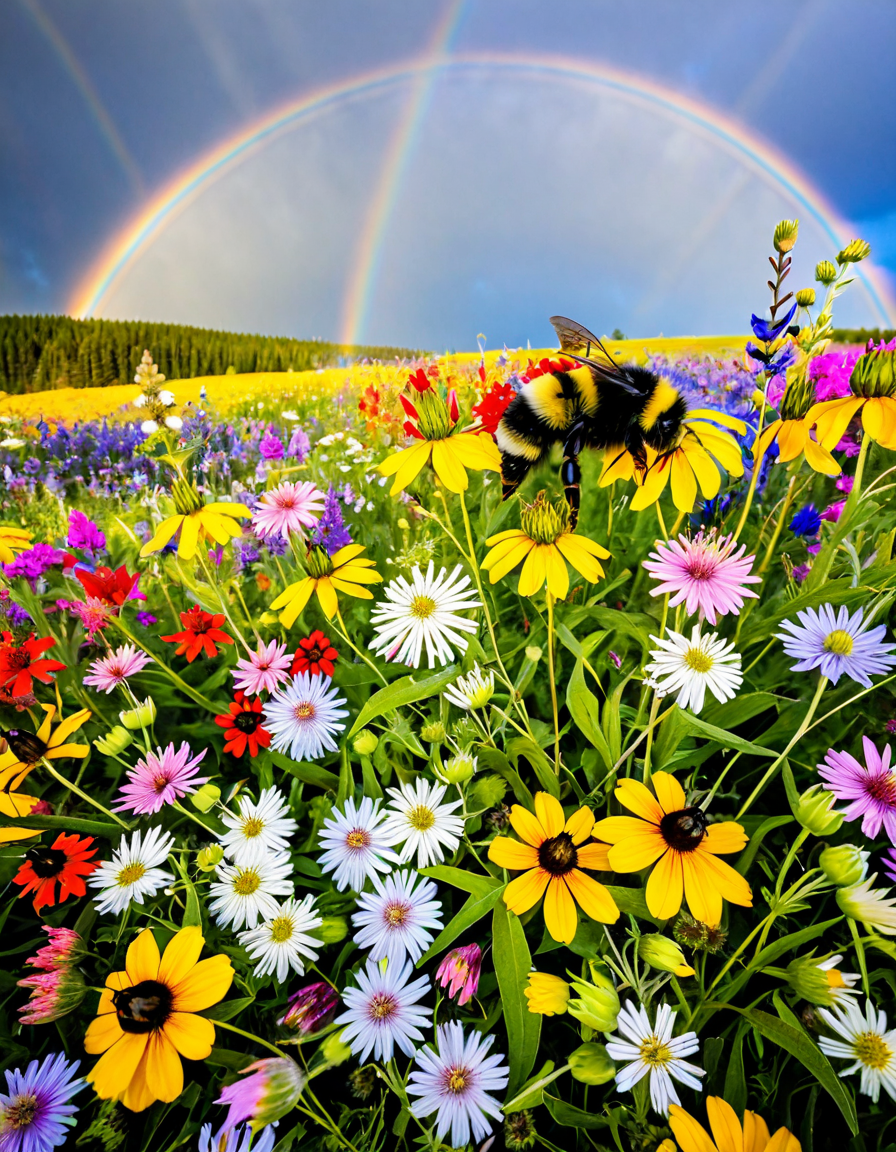
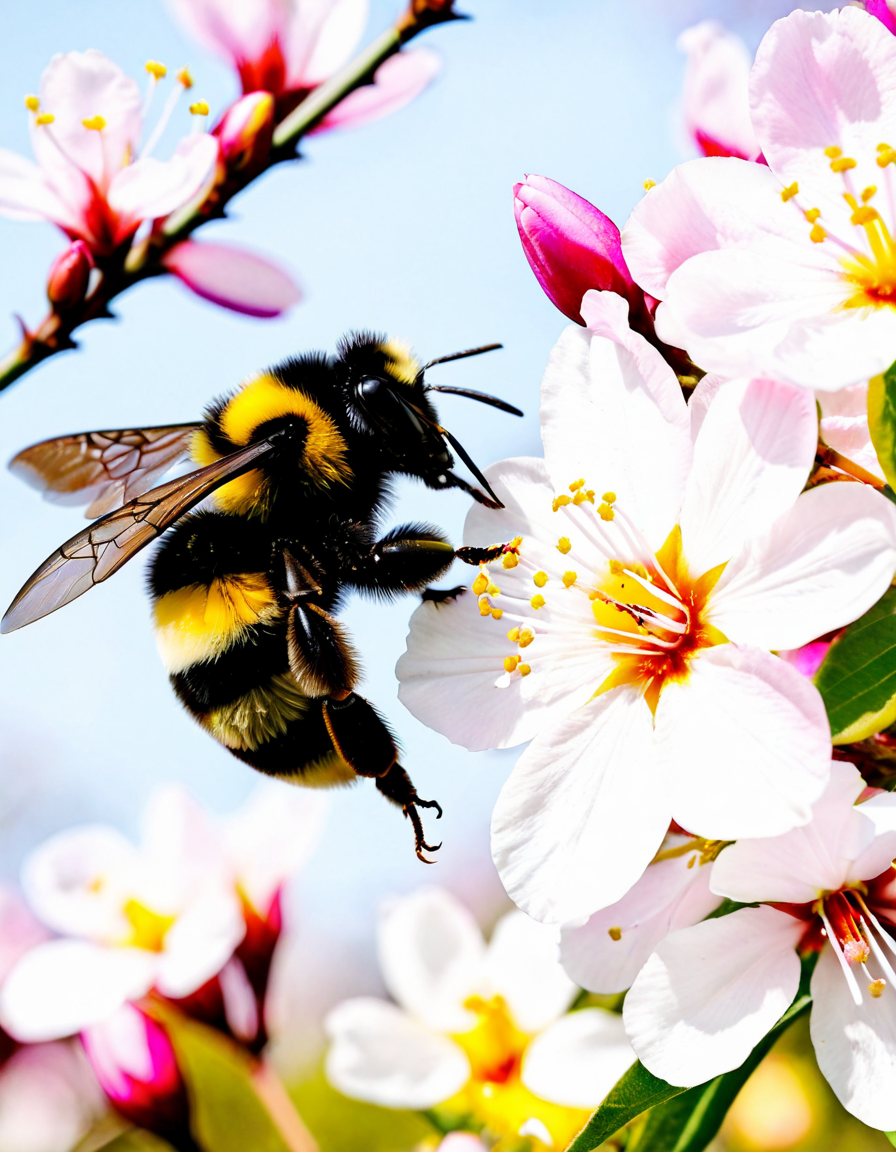
Bumblebees are pivotal players in our ecosystems, and their buzzing presence is a testament to nature’s intricate design. These fuzzy little creatures belong to the Apidae family and pack a mighty punch when it comes to pollination. With their stout bodies and furry coats, they gather and transfer pollen like pros, paving the way for many plants to reproduce. By understanding the indispensable role of bumblebees, we can appreciate the delicate balance within our ecosystems and the critical work being done behind the scenes.
1. The Role of Bumblebees in Ecosystems
1.1 Pollination Powerhouses
One of the bumblebee’s standout features is its ability to perform buzz pollination. This technique is something else! By vibrating their bodies, bumblebees dislodge pollen from the flowers of specific plants like tomatoes, blueberries, and cranberries. It isn’t just show; this method significantly boosts fruit yields, underscoring how essential it is to protect these little pollinators, especially with growing agricultural demands. If you ever wondered how your favorite fruits get their juiciness, thank the bumblebee!
1.2 Biodiversity Support
Bumblebees don’t just stop at the crops. These busy bees also contribute to the reproduction of various plant species, promoting biodiversity. Shockingly, bumblebees help pollinate at least 20% of wild plants, which is no small feat. In fact, they’re responsible for about 15% of the global food supply! This points to the crucial role they play in supporting not just food production but also the overall health of ecosystems. Without them, our fields and gardens would look quite different.
1.3 A Vital Link in the Food Chain
Bumblebees connect the dots in the food chain. The plants they pollinate provide food and habitat for various wildlife, which, in turn, supports larger predators. Think of them as the unsung heroes of the environments we enjoy. Protecting these humble pollinators ensures that the whole ecosystem remains balanced and thriving.
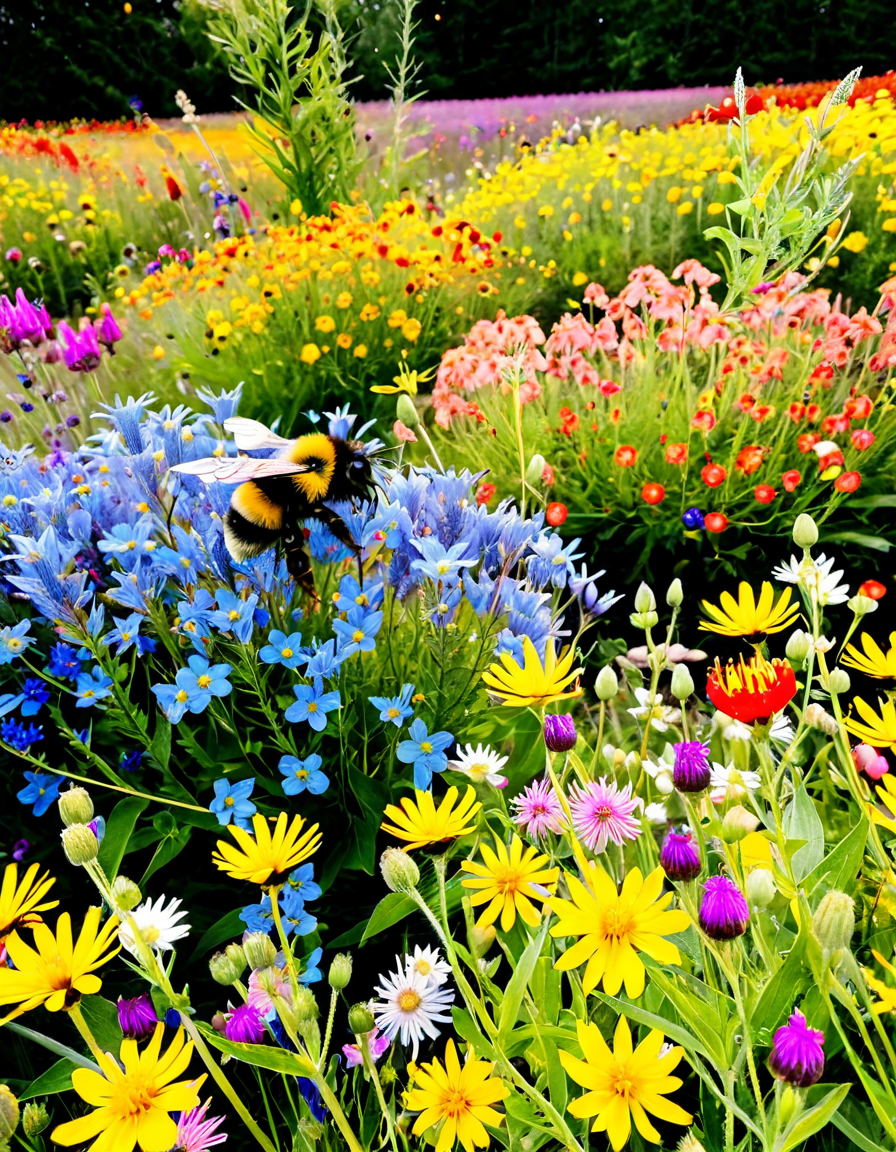
2. Top 5 Incredible Species of Bumblebees
Let’s take a moment to appreciate some amazing species of bumblebees that contribute significantly to pollination:
2.1 Bombus terrestris (The Buff-tailed Bumblebee)
Commonly found in Europe and North America, the Buff-tailed Bumblebee is a powerhouse of adaptability. They’re early risers, buzzing around in spring and starting the pollination process when many plants are just waking up. This makes them crucial for kickstarting the pollination season and sustaining a variety of species.
2.2 Bombus impatiens (The Common Eastern Bumblebee)
In the eastern United States, the Common Eastern Bumblebee comes to the rescue of farmers. This species is known for its key role in pollinating a range of agricultural crops, especially cucumbers and berries. Their resilience and ability to thrive in urban environments make them a staple in agricultural practices.
2.3 Bombus lapidarius (The Red Tailed Bumblebee)
With its eye-catching red tail, the Red Tailed Bumblebee is not just pretty but also practical. This species specializes in pollinating red clover, a vital plant for livestock forage. Their presence often serves as an indicator of healthy grassland ecosystems, telling us that our environment is thriving.
2.4 Bombus ruderatus (The Large Garden Bumblebee)
Typically found in gardens and allotments, the Large Garden Bumblebee plays a key role in urban biodiversity. They pollinate an assortment of flowers, encouraging vibrant blooms and lush gardens, making our urban landscapes a little more beautiful and a lot more productive.
2.5 Bombus pratorum (The Hill Bumblebee)
Primarily residing in wooded areas of Europe, the Hill Bumblebee helps maintain woodland ecosystems by pollinating understorey plants. This is critical for supporting the larger food web, proving that every bumblebee has a job to do in keeping nature balanced.
3. Challenges Facing Bumblebees
Despite their incredible contributions, bumblebees are facing an uphill battle against various threats.
3.1 Habitat Loss
Urban sprawl and agricultural expansion have decimated many habitats suitable for bumblebee nesting and foraging. This loss creates barriers, making it challenging for them to find food and place to call home. The more we build and develop, the less space there is for these important pollinators.
3.2 Pesticide Use
The rampant use of neonicotinoids in agricultural practices has become a grave concern for bumblebee health. These pesticides disrupt their ability to forage and reproduce effectively. Numerous studies have established a direct link between pesticide exposure and declining bumblebee populations. This harsh reality should prompt us to rethink how we manage our agricultural systems.
3.3 Climate Change
Shifting climate patterns can throw everything out of whack! Climate change disrupts the timing of flowering plants and the activity of bumblebees. With warmer temperatures, many bumblebee species find themselves at a higher risk of extinction due to the mismatch between their life cycles and that of the plants they rely on. This ripple effect could cripple local ecosystems if we don’t take action.
4. The Importance of Bumblebee Conservation Initiatives
Recognizing the importance of bumblebees has led to several significant conservation initiatives.
4.1 Local Gardening Efforts
Organizations like The Bumblebee Conservation Trust in the UK are at the forefront of promoting bumblebee-friendly gardening practices. By educating folks on the importance of planting native species, they advocate for creating spaces rich in nectar and pollen. It’s about nurturing our gardens so that they can become havens for these critical pollinators.
4.2 Agricultural Practices
Farmers worldwide are embracing integrated pest management strategies to minimize pesticide use and protect bumblebee habitats. This can include cover cropping and establishing flowering margins alongside crops. By promoting biodiversity, farmers help restore the natural balance needed for bumblebee populations to thrive.
4.3 Research and Monitoring
Institutions such as the University of Leeds are diving deep into research on bumblebee population dynamics. This research not only informs conservation strategies but also raises public awareness of the importance of bumblebees in ecosystems. It brings the community together to protect these buzzing friends.
5. Innovative Solutions for a Sustainable Future
With creativity and innovation at the forefront, solutions for bumblebee conservation are emerging.
5.1 Pollinator-Friendly Product Branding
Brands like Bee’s Wrap have combined environmental responsibility with practical offerings. They emphasize bumblebee conservation in their marketing strategies, encouraging eco-conscious choices from consumers. This approach not only raises awareness but also builds a community dedicated to protecting our pollinators.
5.2 Urban Beekeeping
Urban beekeeping initiatives are gaining traction in cities like New York and London. Community groups are stepping up to bolster bumblebee populations while educating urbanites about their importance. It’s an exciting trend that bridges nature with urban living and emphasizes our responsibility towards these vital insects.
5.3 Citizen Science Programs
Citizen science programs such as Bumblebee Watch invite everyday folks to engage in bumblebee population monitoring. By involving the public, these programs enhance awareness of conservation efforts and also provide necessary data for researchers. This grassroots approach is proving invaluable for promoting bumblebee preservation and education.
Rethinking Our Relationship with Bumblebees
As we step into 2026, it’s time to rethink how we interact with bumblebees. Promoting innovative conservation efforts and cultivating an appreciation for these indispensable pollinators can create a future where bumblebees and humanity coexist harmoniously. Every little action counts! Whether it’s planting a bumblebee-friendly garden or supporting local initiatives, we all have a role in protecting their futures. Together, we can transform nature for the better, ensuring that bumblebees continue to thrive and pollinate for generations to come.
Celebrating and conserving bumblebees isn’t just about protecting a species; it’s about maintaining the health of our environment and ensuring our own well-being. Let’s make every buzz count!
Bumblebee: The Amazing Pollinator Transforming Nature
Buzzing Wonders of the Bumblebee
Did you know bumblebees can fly at altitudes of over 10,000 feet? That’s like the thrilling rush of a jetliner, soaring through the air! This incredible ability isn’t just for show; it plays a vital role in their survival, allowing them to seek out flowers in high elevations during the pollination season. Speaking of survival, these fuzzy critters have been buzzing around for over 40 million years, outlasting many other species. Just like how Richard Attenborough showcases the wonders of nature in his work, bumblebees remind us of the beauty of biodiversity and the delicate balance of our ecosystem.
Bumblebee Society and Behavior
Bumblebees are social insects with a structured hierarchy. Each colony typically has a queen, workers, and drones, much like a royal court. The queen lays eggs, and the worker bees take on various roles, including foraging for food and protecting the hive. Interestingly, their memory is impressive too! They can remember the locations of flowers for days, guiding them back for those sweet nectar refills. Imagine trying to note where you’ve parked your car in a Mega furniture store—bumblebees do it daily with much higher stakes! They are excellent at figuring out the best blooms while also acting like nature’s little ambassadors, helping plants reproduce by transferring pollen.
Bumblebee Decline and Conservation Efforts
Sadly, bumblebee populations have been declining due to habitat loss and pesticides. This is a wake-up call for everyone, like realizing your favorite show, say “Dancing with the Stars,” is about to be canceled! But there is hope; by planting native flowers and reducing pesticide use, anyone can play a part in conservation. In fact, just like how folks look for the perfect black wedding guest dress, finding ways to support bumblebees can be stylish too, making gardens beautiful while giving a helping hand to nature. With more awareness, we can all work together to create environments where these buzzing pollinators can thrive.
Bumblebees are not just cute and fuzzy; they are crucial to our food systems and ecosystems. So, the next time you see one buzzing by, remember they’re hard at work, making the world a little bit sweeter—often buzzing in and out of their own little adventures!