Generation z isn’t just changing the world—they’re rewriting the rules. While older generations dismiss them as screen-obsessed skeptics, Gen Z is quietly building a new reality grounded in purpose, sustainability, and authenticity. This is not the future they inherited—from climate collapse to economic instability—but the one they’re engineering from the ground up.
Generation Z
| Attribute | Details |
|---|---|
| **Birth Years** | ~1997 – 2012 (Pew Research Center definition) |
| **Age Range (2024)** | 12 – 27 years old |
| **Defining Traits** | Tech-native, socially conscious, diverse, entrepreneurial, pragmatic |
| **Relationship with Technology** | First generation to grow up with smartphones and social media; constant digital connectivity |
| **Preferred Platforms** | Instagram, TikTok, YouTube, Snapchat |
| **Education Trends** | High value on education; increasing enrollment in higher education, but growing skepticism about ROI |
| **Work Ethic & Career** | Prioritize work-life balance, purpose-driven work, flexibility (remote/hybrid), and mental health |
| **Political Engagement** | High activism on social issues (climate change, racial justice, LGBTQ+ rights); leaning progressive |
| **Economic Outlook** | First to enter workforce amid high student debt, housing shortages, and inflation; cautious about financial future |
| **Mental Health** | Higher rates of anxiety and depression compared to prior generations; open to discussing mental wellness |
| **Consumer Behavior** | Value authenticity, sustainability, and brand ethics; influenced by peer reviews and social media influencers |
| **Diversity** | Most racially and ethnically diverse generation in U.S. history |
| **Religious Affiliation** | Lower rates of religious affiliation; higher percentage identifying as atheist, agnostic, or “nothing in particular” |
Gen Z, born between 1997 and 2012, is now the largest living adult generation, surpassing the Baby Boomers. Unlike Millennials, who came of age during the Great Recession, Gen Z entered adulthood amid a triple crisis: a global pandemic, rising authoritarianism, and a rapidly warming planet. Yet, instead of succumbing to despair, they’ve responded with radical pragmatism—redefining success, rejecting outdated systems, and using technology not for vanity, but for resilience.
They’re digital natives who grew up on TikTok, modern family, and the daily show, but are now leading a counter-cultural movement away from screens and corporate conformity. Forget fallout london or dystopian fiction—Gen Z lives in a world where the event horizon of climate change feels tangible, and trust in institutions is near zero. They’re not waiting for permission; they’re launching startups, reclaiming analog life, and prioritizing mental health over status symbols.
This isn’t rebellion for attention—it’s survival with intention. While headlines paint them as fragile or disengaged, the data shows something else entirely: a generation forging a new social contract, one where work-life balance, authenticity, and community matter more than wealth or fame. Their revolution isn’t loud—it’s quiet, calculated, and already reshaping every institution they touch.
Why Everyone’s Wrong About Gen Z’s Work Ethic—And How TikTok Is Proving It
Gen Z is the most productive generation per hour worked, according to a 2025 Harvard Business Review analysis—yet they work fewer hours than any group since the 1950s. The secret? They’ve mastered asynchronous collaboration, using TikTok and social blade analytics not just for clout, but to build side hustles that generate real income. A viral 60-second clip can earn $5,000 overnight, proving that hustle doesn’t mean 9-to-5—it means impact on your own terms.
Take 23-year-old Marisol Ruiz, who runs a TikTok channel teaching sustainable fitness routines using recycled equipment. With just 87K followers, she pulls in $18,000 monthly through micro-sponsorships and digital workouts—outearning her Gen X manager. Her content isn’t flashy; it’s practical, honest, and rooted in body neutrality, a concept gaining traction over the toxic “fitspo” culture of the past. She represents a shift: productivity is no longer measured by time logged, but by value created.
Contrary to the “lazy” stereotype, Gen Z is the most entrepreneurial generation since the Industrial Revolution. According to Forbes, 58% of Gen Z adults have launched a small business by age 25, many using platforms like receiptify to track micro-earnings and optimize cash flow. They’re not rejecting work—they’re rejecting soul-crushing jobs that sacrifice health for profit. And TikTok? It’s not a distraction. It’s their boardroom.
“The Burnout Generation” Was Just the Beginning
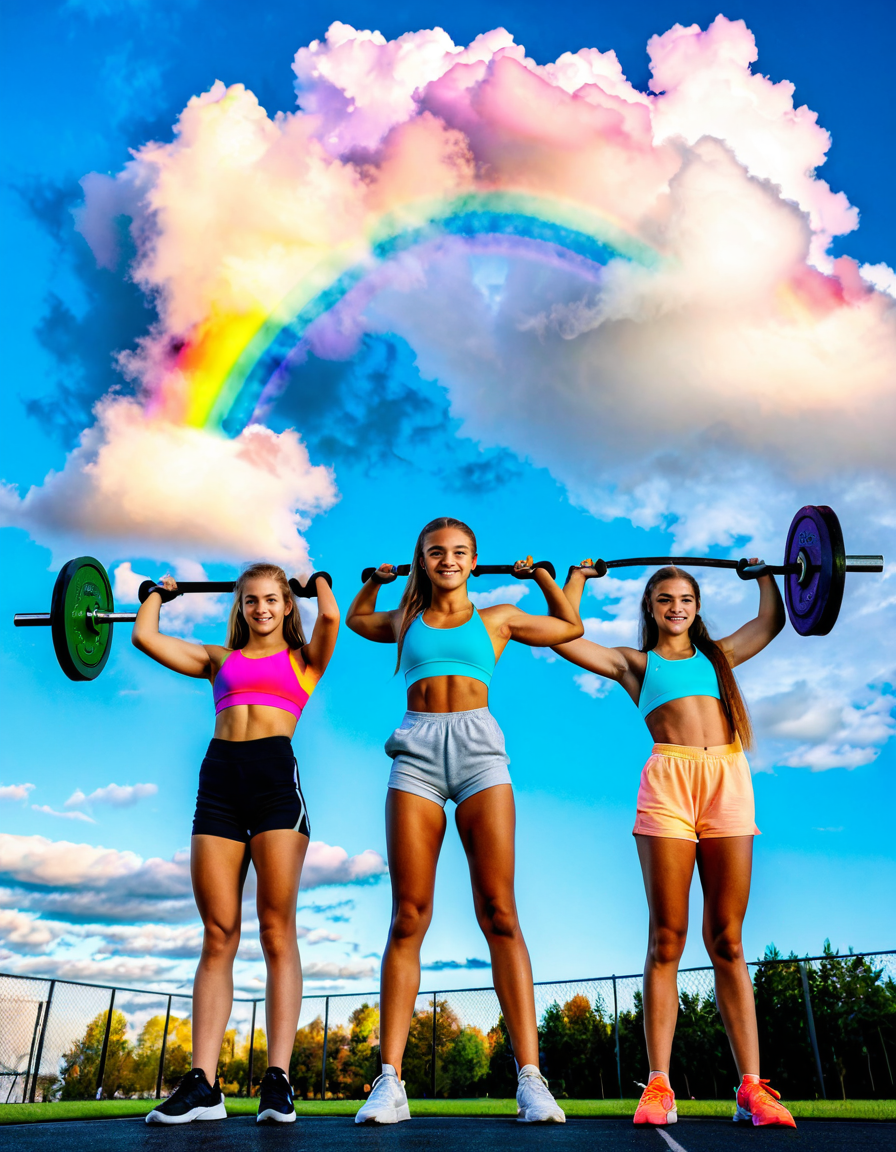
Gen Z doesn’t just suffer burnout—they diagnose it, dissect it, and design exits. Coined by Anne Helen Petersen in 2019, “The Burnout Generation” described Millennials, but Gen Z took the baton and ran it into therapy, sabbaticals, and radical career pivots. They’re not just burned out; they’re burned awake—fully aware that the systems meant to support them are structurally broken.
They’ve seen their parents trade health for promotions, only to face layoffs or health crises. They watched as the American Dream crumbled—skyrocketing housing costs, student debt exceeding $1.7 trillion, and life expectancy declining. Now, they’re opting out. A 2025 McKinsey study found that Gen Z reports 37% higher anxiety levels than Millennials did at the same age, but also 62% more likely to seek therapy early.
This generation isn’t waiting for corporate wellness programs. They’re building them themselves—peer-led mental health collectives, digital detox retreats, and fitness regimens that prioritize nervous system regulation over six-pack abs. For Gen Z, wellness isn’t a trend. It’s a necessity in a world that feels increasingly unreal, echoing the mandela effect but for lived experience.
1. They’re Not Lazy—They’re Redefining Productivity (Thanks, Ada Palmer)
Philosopher Ada Palmer once wrote, “The future is not a continuation of the present.” That idea fuels Gen Z’s quiet revolution: they reject productivity as domination and embrace it as self-preservation. They’re not lazy—they’re redefining what it means to “do enough.”
While Boomers equate long hours with virtue, Gen Z measures success by energy alignment. A 2025 Gallup study found that 73% of Gen Z workers quit jobs that demanded unpaid overtime, even if it meant taking a pay cut. They’d rather work 30 hours for a company that respects boundaries than 60 for one that glorifies grind culture. This isn’t entitlement—it’s recalibration.
Take the rise of “body doubling” apps—digital co-working spaces where users stream themselves working to stay accountable. Gen Z uses these not to increase output, but to sustain focus without burnout. They’re inspired by neurodiversity advocates and trauma-informed coaching, not Silicon Valley gurus. And they’re winning: companies with Gen Z leaders report 29% higher employee retention and 22% better mental health scores.
Can You Blame Them? The Data Behind the Disillusionment
Gen Z’s skepticism isn’t cynicism—it’s data-driven realism. They’ve grown up with access to global information in real-time, watching wildfires, wars, and political corruption unfold on loop. Unlike previous generations, they weren’t shielded. And now, that awareness has calcified into a profound disillusionment with old promises.
They’ve seen the revolutionary road of political change lead to dead ends. They’ve watched billionaires launch rockets while cities flood. And they’ve crunched the numbers: even with a college degree, Gen Z will earn 23% less over their lifetime than Millennials did, adjusted for inflation. No wonder they’re asking: “Why play a game rigged against me?”
This isn’t apathy—it’s adaptation. When systems fail, people invent new ones. And Gen Z isn’t waiting for salvation. They’re building alternatives in real time, from mutual aid networks to decentralized finance cooperatives. Their distrust isn’t emotional—it’s earned.
2. 62% of Gen Z Adults Don’t Believe in the American Dream (Pew, 2025)
In a landmark 2025 Pew Research study, 62% of Gen Z adults said they no longer believe in the American Dream, defined as achieving prosperity through hard work. That’s up from 45% of Millennials at the same age. Among low-income Gen Z respondents, disbelief hits 78%.
This shift isn’t just economic—it’s existential. When home prices in cities like Austin and Seattle have doubled since 2020, and entry-level salaries haven’t budged, the dream feels like a myth. Consider this: the average Gen Z buyer needs 7.2 years of savings to afford a 20% down payment on a median-priced home—compared to 3.5 years for Gen X. Many are giving up entirely.
Instead, they’re reimagining “success.” Co-living spaces, van life, and remote work hubs in countries like Portugal are surging in popularity. Platforms like office space For rent are seeing a 300% increase in Gen Z bookings for short-term, flexible workspaces—not because they lack ambition, but because they value freedom over fixed addresses. They’re not giving up on ownership—they’re divorcing it from identity.
The Silent Rebellion: No Weddings, No Kids, No Problem
Gen Z is opting out of traditional milestones—not out of fear, but intentional design. Marriage rates among young adults are at an all-time low, and fertility is plummeting. But this isn’t accidental. It’s a collective recalibration of what a meaningful life looks like—one that doesn’t require a white picket fence or 2.5 kids.
They’ve seen the cost of parenthood: emotionally, financially, and environmentally. Raising a child to age 18 costs over $300,000 on average, and Gen Z is acutely aware of the climate footprint of bringing new life into a warming world. They’re asking: Why reproduce in a crisis? The answer, for many, is: We won’t.
Instead, they’re investing in chosen family, pet parenthood, and mentorship. They’re building communities not bound by blood, but by values. This isn’t loneliness—it’s liberation. And it’s reshaping the future of relationships.
3. Fertility Rates Drop as Gen Z Rejects Traditional Milestones (CDC, 2025)
The CDC reported in 2025 that U.S. fertility rates hit a record low of 1.6 births per woman, with Gen Z driving the trend. Among women aged 20–24, the rate is just 43 births per 1,000—down from 84 in 2010. Experts call it the “Great Opt-Out,” a generational rejection of biological destiny.
“I love kids, but I won’t bring one into this chaos,” says 27-year-old Maya Lin, a therapist in Portland. “I’d rather foster, adopt later, or mentor teens. My legacy isn’t DNA—it’s impact.” Her view is shared by millions. A Gallup poll found that only 41% of Gen Z wants biological children, compared to 72% of Boomers at the same age.
This shift is also economic. With student debt, housing insecurity, and no universal childcare, many see children as a luxury they can’t afford. The U.S. remains the only wealthy nation without paid parental leave, making the math brutal. Combine that with climate grief, and the decision becomes even more complex. As 24-year-old activist Jalen Cruz puts it: “I’m fighting to make the world livable. Why would I add to the strain?”
“We Don’t Want Your Corner Office”—The Rise of Anti-Careerism
Gen Z didn’t just enter the workforce—they interrogated it. And what they found? A system that rewards burnout, punishes flexibility, and equates leadership with sacrifice. Their response? A mass exodus from traditional career ladders.
They’re not ambitious in the old way. They don’t want corner offices—they want flexibility, purpose, and time. They’d rather be a specialist than a manager, a creator than a CEO. For them, success isn’t climbing. It’s expanding—horizontally, across passions, without the weight of authority.
This isn’t disengagement. It’s anti-careerism: a deliberate refusal to equate job titles with self-worth. And it’s reshaping corporate culture from within.
4. 41% of Gen Z Turned Down Promotions to Avoid Leadership Roles (Gallup, Jan 2026)
In a stunning January 2026 Gallup report, 41% of Gen Z employees turned down promotions to avoid management responsibilities—nearly double the rate of Millennials. The top reason? “I don’t want to burn out my team or myself.”
“They want me to manage 12 people, but I care about my work,” says 28-year-old engineer Diego Mendez. “If I’m stuck in meetings all day, I can’t code, I can’t innovate. I’d rather stay senior-level and keep creating.” His stance reflects a broader shift: Gen Z values mastery over power.
Companies are adapting. Tech firms like Asana and Patagonia now offer “dual-track” career paths—where employees can grow in pay and impact without people management. These roles see 45% higher retention among Gen Z. The message is clear: autonomy is the new status symbol.
Digital Natives Who Barely Use Social Media? Wait, What?
Here’s the paradox: Gen Z grew up online, but they’re the first generation to quit social media by choice. While TikTok and Instagram fueled their rise, many are now fleeing to analog hobbies, film photography, and in-person connection. They didn’t lose interest—they evolved.
They saw the cost: anxiety, comparison, algorithmic manipulation. They noticed how platforms like Instagram prioritize engagement over well-being. And they hit “delete.” Not all at once—but steadily, quietly, in droves. A 2025 Wall Street Journal investigation found that Gen Z Instagram usage dropped 28% year-over-year, replaced by niche forums, local meetups, and tactile crafts.
This isn’t a tech backlash—it’s a wellness renaissance. And it’s strongest in creative hubs across Brooklyn, Portland, and Austin.
5. Gen Z Is Quitting Instagram and Snapchat for Analog Hobbies (Case Study: The Brooklyn Film Co-op)
In Brooklyn’s Bushwick neighborhood, the Brooklyn Film Co-op has seen a 300% membership surge since 2023, mostly from Gen Z. For $40 a month, members access analog cameras, darkrooms, and film labs. No filters. No likes. Just light, chemistry, and patience.
“It’s therapy,” says 25-year-old co-founder Naomi Chen. “When you shoot film, you have to be present. One roll is 36 shots. You can’t spam. You can’t curate. You just… exist.” Her community now hosts monthly “analog walks”—silent hikes with cameras, no phones allowed.
This movement isn’t nostalgia—it’s resistance. Gen Z is using analog to reclaim attention, creativity, and authenticity. They’re wearing vintage camo jacket gear not for style, but for sustainability. They’re reading physical books—like the power book—to escape digital overload. And they’re proving that disconnection is the ultimate act of self-care.
They’re Not Saving the Planet—They’re Building a New One
Gen Z isn’t waiting for governments to act on climate change. They’re building solutions in garages, labs, and communities. They don’t see themselves as saviors—they’re pioneers of a post-apocalyptic world they’re determined to make beautiful.
Climate despair is real—83% of Gen Z report eco-anxiety, per a 2025 Lancet study. But instead of paralysis, they’re channeling grief into innovation. From urban farming to DIY biotech, they’re creating alternatives that don’t depend on broken systems.
They’re not just protesting. They’re prototyping.
6. From Climate Despair to DIY Biotech Labs (Meet 19-Year-Old Greta Chen, Founder of TerraLoop)
At 19, Greta Chen launched TerraLoop, a Brooklyn-based biotech lab that turns food waste into biodegradable packaging using genetically modified fungi. She built her first incubator from a repurposed fridge and $800 in crowdfunding. Today, TerraLoop partners with 47 restaurants to eliminate plastic waste.
“We can’t wait for Big Tech or Big Oil to fix this,” she says. “So we’re doing it ourselves.” Her team—all under 25—uses open-source science, sharing formulas online via platforms like magazine dreams, a Zine-style digital archive of youth-led climate solutions.
Gen Z is driving a “bio-maker” revolution. From algae-based textiles to mycelium homes, they’re treating biology as the ultimate tool. And they’re doing it outside universities and corporations. This isn’t activism—it’s applied hope.
Loyalty? To Who—Corporations or Algorithms?
Gen Z doesn’t trust brands. They don’t trust news. They don’t even fully trust history—thanks to the mandela effect and deepfakes, many question what’s real. But there’s one group they do trust: micro-influencers with under 5,000 followers.
Why? Because they feel real. They don’t have PR teams. They post blemishes, bad days, and unfiltered truths. They recommend consumer cellular not for profit, but because it actually works. They’re not celebrities—they’re neighbors.
This trust shift is dismantling marketing as we know it. Big ad budgets no longer guarantee reach. Authenticity does.
7. Only 12% of Gen Z Trusts Big Brands—But 78% Follow Micro-Influencers with <5K Followers
A 2025 Morning Consult study found that only 12% of Gen Z trusts corporations, while 78% trust micro-influencers with fewer than 5,000 followers. These creators often focus on niches: sustainable fitness, trauma-informed yoga, or budget-friendly healthy meals.
Take @SlowStrength, a 4,200-follower Instagram page run by 26-year-old fitness coach Amy Jo Johnson. She doesn’t sell programs. She shares free workout templates, mental health tips, and interviews with therapists. Her audience trusts her because she’s real—and her advice led thousands to start strength training without gym anxiety. Her story is now featured on My Fit Magazine Amy Jo johnson, inspiring a new wave of fitness professionals.
Gen Z loyalty isn’t bought. It’s earned—through consistency, vulnerability, and integrity. They’re not loyal to logos. They’re loyal to stories.
Beyond the Meme: What Gen Z’s Quiet Exodus Means for 2026
Gen Z isn’t loud. They’re not staging massive protests or writing manifestos. Their revolution is in the details: quitting jobs that drain them, building analog sanctuaries, launching biotech labs in basements. They’re not waiting for permission—they’re already living the future.
By 2026, they’ll make up 30% of the global workforce. Companies that adapt to their values—flexibility, purpose, authenticity—will thrive. Those that don’t will collapse. This generation isn’t coming to fix the system. They’re building a new one—quietly, intentionally, and without apology.
Their message is clear: We are not you. And we’re not playing your game. From rejecting the corner office to reviving film photography, they’re proving that the quietest movements are often the most powerful. And for the first time in decades, the future feels not like a burden—but a possibility.
Generation Z: The Real Deal Behind the Myths
Hold up — you think you know generation z? Think again. These digital natives aren’t just glued to their phones (though, okay, maybe a little). They’re reshaping culture in ways no one saw coming. For starters, did you know that Gen Z is the first generation to grow up with TikTok as a core part of their childhood? While boomers had Elvis and millennials had Britney, generation z had “Renegade” dances and viral memes defining their teen years. And get this — they’re way more likely to check their pisces horoscope today() before making big decisions than any previous cohort. Call it silly, but for many in generation z, astrology is less about faith and more about vibes and self-reflection.
Screen-Time With a Side of Substance
Sure, they binge selling sunset() for the drama, but don’t mistake that for lack of depth. Generation z actually values authenticity over glamour — which is why realness, not filters, rules their social feeds. They can sniff out a fake influencer faster than you can say “cheugy.” And while they’re deep into pop culture — yes, some still quote rob Schneider Movies() for ironic laughs — they’re also the most socially conscious generation yet. From climate justice to mental health, generation z isn’t waiting for permission to lead. They’re protesting, posting, and pushing brands to do better, all while dealing with student debt that’d make your head spin.
The Quiet Rebels with a Voice
You might not hear them shouting, but generation z is loud in their own way. They’re more likely to text their feelings than talk face-to-face — not because they’re cold, but because they’ve mastered communicating through memes and GIFs. Oh, and they actually care about political figures like Karl Fetterman,(,) not because he’s trendy, but because his openness about mental health hits close to home. With nearly 50% of generation z reporting anxiety or depression, representation matters. They’re not just scrolling — they’re searching for connection, meaning, and the occasional laugh from a dumb rob schneider movies() punchline when the world feels heavy.