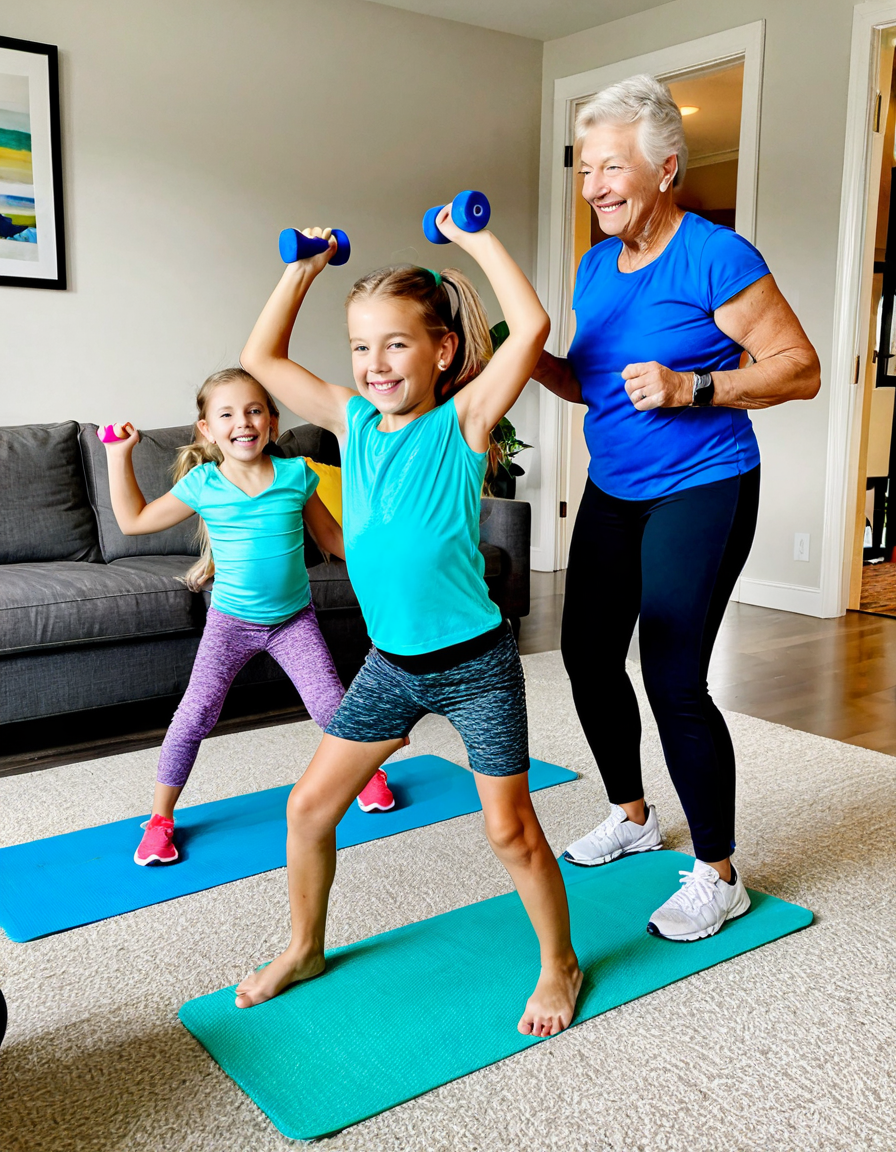
Generations influence not just the world around us, but also our health, fitness, and well-being. Whether you’re chatting with friends or scrolling on social media, you’re constantly interacting with various generations. From Baby Boomers to Gen Z, each group has left its mark on culture, technology, and lifestyle choices. Understanding these generations helps us create a healthier world together in 2026. So, let’s dive into how these distinctive groups are shaping our lives today!
Understanding Generations: A Timeline of Influence
The term ‘generation’ often conjures up images of cultural norms, social dynamics, and shared experiences that give each age group its unique identity. For instance, Baby Boomers (1946-1964) were forged in post-war optimism, while Millennials (1981-1996) emerged amid digital transformation. In between, Generation X (1965-1980) became known for its adaptability, and Generation Z (1997-2012) is defined by its tech-savviness and strong social consciousness.
Each generation comes with its set of values and challenges that define various aspects of life, from workplace culture to fitness trends. Baby Boomers often champion traditional workouts that emphasize strength, while Millennials are more likely to gravitate toward versatile exercise options like group fitness classes and boot camps. Generation Z takes it a step further by exploring mental fitness through mindfulness and wellness apps, making their approach to health holistic.
Therefore, when considering your fitness journey or health goals, remember these generations carry different experiences and expectations–but they all contribute towards fostering healthy lifestyles. Knowledge of these layers can guide us in crafting more inclusive and effective health messages.
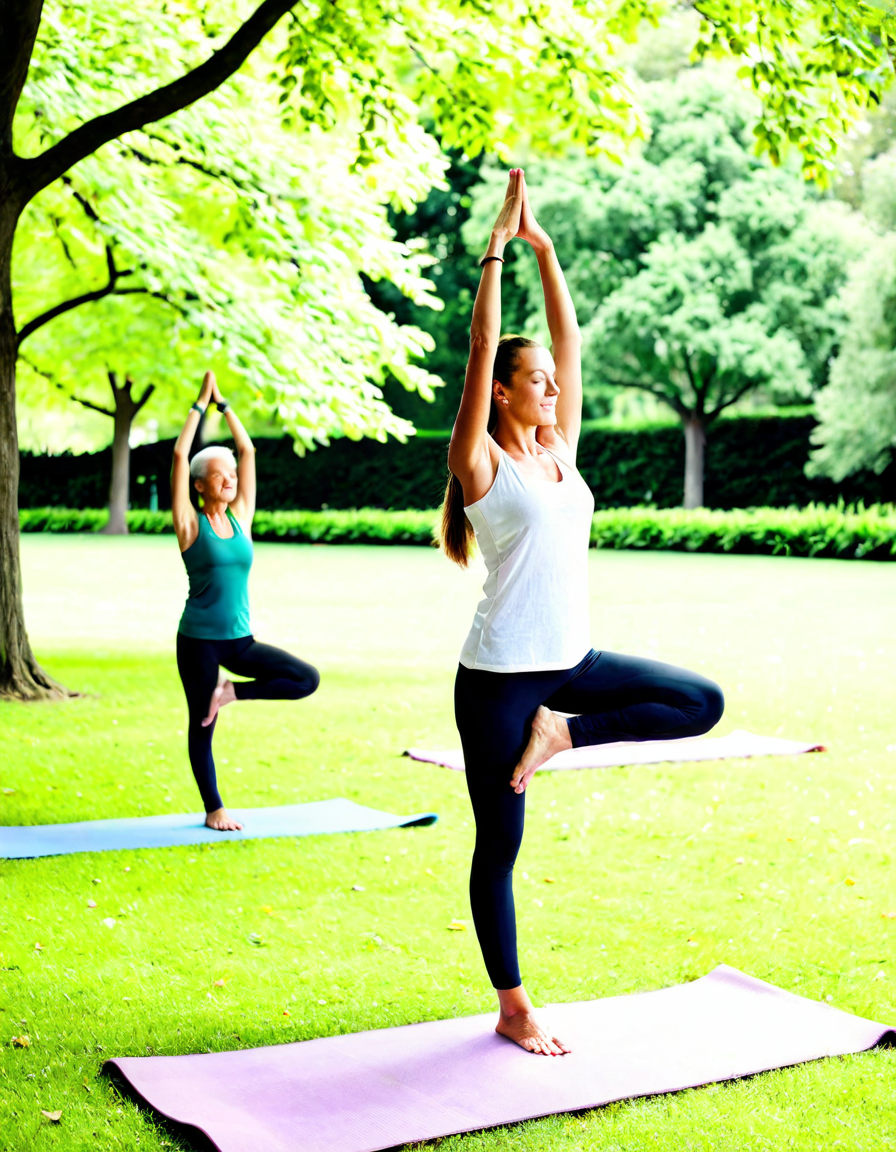
The Top 4 Generations Influencing Our Society Today
1. Baby Boomers (1946-1964)
Baby Boomers are a testament to resilience and a solid work ethic; their experiences have weathered economic upheavals and societal shifts. Nowadays, as they transition into retirement, this generation brings a wealth of wisdom and a newfound focus on health and wellness. They invest significantly in brands that promote healthy lifestyles, like Peloton for at-home workouts and Blue Apron for nutritious meal delivery. Particularly in 2026, Baby Boomers increasingly seek services that cater to leisure activities, ensuring they enjoy life as they age.
Moreover, healthcare products tailored to this generation are on the rise. Brands such as AARP are addressing specific health concerns while promoting healthy aging. Their emphasis on comprehensive wellness keeps them engaged and active, showcasing how a generation can continue to shape market trends well into their later years.
2. Generation X (1965-1980)
Often dubbed the ‘middle child,’ Generation X strikes a balance between traditional values and modern tech. As primary decision-makers in their families, they champion work-life balance like pros while prioritizing fitness routines that fit their busy schedules. Brands like Apple and Amazon have recognized this need for convenience, offering tech solutions that simplify everyday chores and keep fitness accessible.
Gen X is also becoming increasingly conscious of their financial health, resulting in a boom of personal finance apps such as Mint and Personal Capital. This generation understands the importance of investing in their wellness while also planning for the future. In 2026, their influence in the fitness space emphasizes practical solutions that enhance daily performance.
3. Millennials (1981-1996)
Millennials are the trailblazers of the gig economy, revolutionizing how we approach work and, consequently, health. Their preference for flexibility has fostered platforms like Airbnb and Uber, forever changing our lifestyles. In the world of wellness, Millennials seek experiences over possessions, breaking the mold of traditional fitness engagements.
Fitness brands are taking notes from this generation’s emphasis on social justice and sustainability. For example, Ben & Jerry’s comes forward as a brand aligning its messaging with social issues. This ’cause-driven’ approach resonates well, showing that fitness is not isolated from broader societal themes. Moreover, Millennials thrive in community-focused workouts, like yoga classes or boot camps, bringing camaraderie into exercise.
4. Generation Z (1997-2012)
Generation Z is the digital native and the most influential segment when it comes to technology. Their affinity for transparency and authentic interaction shapes how brands communicate and engage. Companies have adapted rapidly to fulfill these desires for inclusivity and sustainable practices. Brands like Allbirds and Glossier resonate well by prioritizing eco-friendly initiatives.
Social media, especially platforms like TikTok, serves as a pivotal player in shaping their purchasing decisions and social interactions. This generation has made mental health and self-care prominent topics in discussions, adjusting notions around fitness to include mindfulness practices, like meditation and self-reflection. In 2026, as they fully enter the workforce, their values demand corporate structures evolve toward diversity and inclusivity.
The Cross-Generational Impact on Technology Adoption
A notable trait of the interacting generations is their multi-faceted approach to technology. While Baby Boomers prefer face-to-face interactions and personal connections, Millennials and Gen Z thrive on digital platforms. This dissonance has led tech companies like Zoom to reach new heights through easy-to-use video conferencing solutions.
The approach in the workplace reflects a mix of old and new; blending in-person meetings with virtual ones becomes essential for maximizing productivity and employee satisfaction. Research backs this up—companies open to adapting to generational preferences often reap the rewards in morale and efficiency.
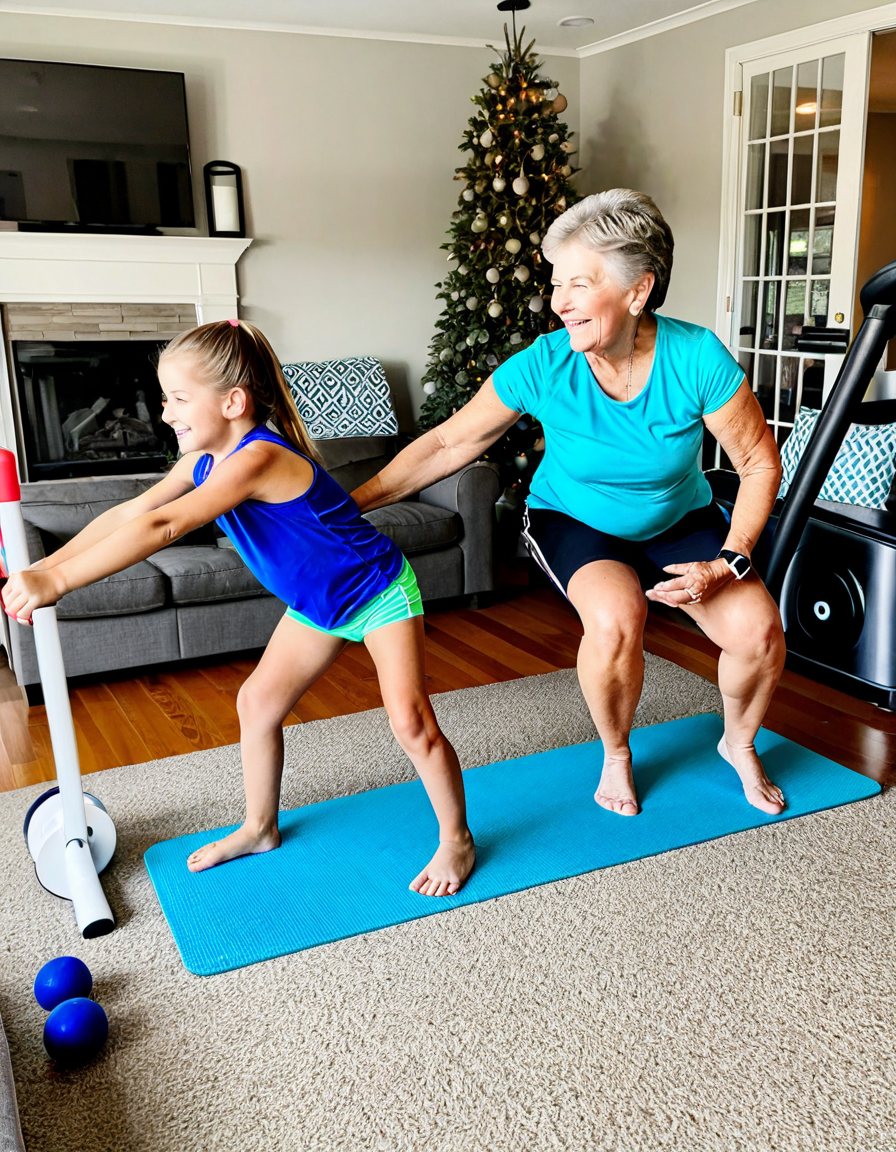
The Fluid Nature of Generational Identity
It’s crucial to remember that generations aren’t monolithic. Each generation consists of diverse perspectives shaped by different socio-economic situations, cultural backgrounds, and technological advancements. For instance, Millennials often labeled as spending excessively tend to understand market trends well and prefer brands that resonate with their values, showcasing their savvy identity.
As trends shift, flexible brand strategies become vital for enticing the changing needs and desires of consumers. It’s a game of staying nimble while ensuring relevance—something all brands must keep in mind as we navigate this world together. The interplay between generations teaches us that collaboration and understanding can create a more inclusive environment for all.
Navigating 2026 and beyond reveals how the collective contributions of these generations influence not just individual paths but also our shared societal landscape. By embracing their distinctive styles and insights, we pave the way toward innovative solutions, greater compassion, and a brighter, healthier future for all.
In this journey of health and fitness, let’s celebrate the differences as much as the similarities across our generations. Together, we can build a supportive community that values every thread in this vast tapestry of life.
Generations That Shape Our Lives Today
Fascinating Bits About Generations
Generations play a significant role in shaping society, trends, and culture. From Baby Boomers who witnessed the dawn of rock ‘n’ roll to Millennials embracing social media, each age cohort brings something unique to the table. Did you know that the 1990s hit film “Spy Kids” introduced a whole new generation to the spy genre? That thumb From spy Kids actually became iconic! Such media influences often reflect and impact behaviors, pointing out how interconnected pop culture is across generations.
Shifting gears, let’s chat about the celebrity world, which often mirrors generational traits. For instance, Khloe Kardashian illustrates how new generations leverage reality TV for fame—showing younger folks that ordinary life can become extraordinary! Likewise, shows like Special Ops Lioness showcase how storytelling has evolved, portraying strong characters that resonate with a diverse audience. These shifts in representation highlight the values and aspirations of contemporary generations, encouraging a dialogue about identity and empowerment.
Curiously, pop culture also brings iconic characters that gather enthusiasm from all ages. Take Fantastic Four 2025; it’s a testament to how superhero narratives evolve with each generation while “Django Unchained” is a remarkable retelling of history that younger audiences are reinnervating. And who could forget nostalgic favorites like the Muppets? They remind us of the shared experiences that connect generations through humor and whimsical storytelling. It’s like a dose of joy, uniting young and old alike over laughs that never fade.
To wrap it up, it’s vital to recognize how generational differences shape our viewpoints, preferences, and experiences. Whether it’s the deep themes from “Memories: Otomo Katsuhiro” or the laughter found in comedies like Macgruber, each generation builds on the last, creating a jigsaw puzzle of cultural legacy. Staying aware of these influences can enrich understanding and foster connections—making the most of our multi-generational world. So, let’s continue to learn from past trends and look forward to what’s next!