Greek culture is the bedrock upon which much of Western civilization stands. Its influence spans centuries and reaches into our daily lives, whether we’re watching a movie or flipping through a magazine. Athens, the vibrant capital of ancient Greece, serves as the heartbeat of this remarkable heritage. It introduced groundbreaking ideas in democracy, philosophy, and the arts that still resonate today, shaping modern narratives and aesthetic values.
Consider the Parthenon, a monumental building dedicated to the goddess Athena, often regarded as a stunning example of classical beauty and democracy. The ancient philosophical teachings of great minds like Socrates, Plato, and Aristotle have laid the groundwork for contemporary thought and ethics. This article will explore how Greek culture inspires modern art, literature, philosophy, and popular entertainment, revealing its far-reaching legacy.
The Foundations of Greek Culture: Roots in the Capital of Athens
Athens was not just a city; it was a melting pot of creativity and intellect. The architectures showcased intricate styles that highlighted balance and proportion, making them iconic symbols of democracy and cultural richness. The ideals embedded in Greek art and thought have laid the foundation for everything from modern architecture to political theory today.
Many elements of Greek philosophy still echo in our society. Questions around ethics, justice, and existence that ancient Greek philosophers wrestled with continue to drive discussions in modern media. As audiences, we find ourselves captivated by the same dilemmas that plagued the heroes and characters of Greek myths, illustrating the timeless nature of these issues.
In essence, Athens provides a historical framework that informs various disciplines, supporting the arts, governance, and philosophical inquiry that we engage with in our daily lives. It’s not hard to see how these ancient tenets have influenced what we now consider beauty, morality, and intellectual engagement.
Top 5 Ways Greek Culture Inspired Modern Art
1. Sculpture: From Classical to Contemporary
Greek sculptures set the gold standard for realism and emotional depth. Artists like Praxiteles and Phidias mastered the ability to capture the human spirit in stone. Fast-forward to today, and you’ll find modern artists, such as Jeff Koons, pulling inspiration from these ancient masterpieces, blending traditional techniques with contemporary themes.
Koons’ works often incorporate humor and irony, a distinct departure from the seriousness of classical sculptures. However, the core—capturing human emotion—remains pivotal. His art invites us to engage with the past while providing a fresh perspective on what it means to appreciate beauty and complexity in the modern art scene.
2. Literature: Tragedy and Themes of Human Experience
Greek tragedies were the equivalent of today’s blockbuster films. Playwrights like Sophocles and Euripides crafted narratives filled with intense human emotion and moral dilemmas. These themes resonate in contemporary storytelling, whether in poignant films or engrossing series.
For example, animated films like Madagascar explore friendship, perseverance, and rivalry. These enduring themes draw directly from the emotional cores of Greek tragedies. Today’s writers borrow from these ancient narratives, creating rich stories that speak to the human condition in relatable ways.
3. Philosophy’s Enduring Legacy
Greek philosophers pioneered ethical inquiries that remain relevant. What is justice? What is a good life? The dialogues instigated by thinkers such as Socrates can be seen in our modern discourse, shaping conversations in media, politics, and daily life.
Recent films and shows often touch on these philosophical themes. For instance, you might catch existential dialogues in popular series that engage audiences on platforms like Nickelodeon. This connection underscores how Greek philosophical contributions continue to influence our understanding of humanity today.
4. Artistic Expressions in Lyric Poetry
Lyric poetry from ancient Greece revolved around personal emotions and experiences, setting the stage for modern songwriting and poetry. Figures like Sappho have paved the way for countless poets and musicians. You might recognize her emotional depth echoed in today’s popular music lyrics, showcased on platforms like GMA.
Contemporary songwriters draw heavily from personal experiences, much like the ancient poets. They craft lyrics that express love, loss, and joy while keeping the essence of those early Greek sentiments alive in their music.
5. Theatrical Innovation and Performance Arts
Greek theater revolutionized storytelling, and its influence is unmistakable in today’s performing arts. The blend of drama, music, and visual elements continues to shape how stories are told. Modern animated films often mirror Greek theater’s intricate storytelling methods, making sophisticated narratives accessible to younger generations.
Notably, comedy and tragedy play a vital role in animated films, creating emotional layers that engage audiences. This intertwining of ancient practices with contemporary formats showcases how Greek theatrical innovation remains relevant in today’s entertainment landscape.
The Influence of Greek Culture on Global Artistic Movements
Greek culture has transcended borders, impacting artistic movements worldwide. The Renaissance, for instance, heavily borrowed from ancient Greek aesthetics, guiding masters such as Leonardo da Vinci and Michelangelo in their quest for beauty and truth.
Additionally, the neoclassical movement of the 18th and 19th centuries revived Greek ideals, manifesting in beautiful architecture and artwork. The influence of Greek culture is particularly clear in Thomas Jefferson’s Monticello, echoing the principles of symmetry and proportion that characterize classical Greek architecture.

Anecdotes of Renaissance Figures Inspired by Greek Culture
Renaissance figures like Leonardo da Vinci and Raphael clearly drew inspiration from Greek philosophers and their ideals. For instance, da Vinci’s studies in human anatomy, heavily referenced Greek texts, advanced realism in painting. On the other hand, Raphael’s School of Athens celebrated Greek intellectual thought, prominently featuring Plato and Aristotle at its center, showcasing the significance of discussion and inquiry that defined both Greek culture and the Renaissance.
This cross-pollination of ideas illustrates how Greek philosophy and art informed the trajectory of Western art and intellectual thought. These Renaissance masters didn’t merely replicate ancient ideals; they built upon them, enhancing their depth and context in ways that still inspire us today.
The Role of Greek Mythology in Contemporary Narratives
Greek mythology presents archetypes and themes that resonate in modern storytelling. Characters drawn from these ancient myths—heroes, gods, and monsters—continue to appear in films, TV shows, and literature, reflecting our own society’s struggles and aspirations.
Take, for example, the superhero genre, which often mirrors the complexities of Greek mythology’s moral dilemmas. Characters are faced with profound choices that explore themes of loyalty, justice, and sacrifice. This narrative thread underscores how contemporary tales borrow from ancient moral storytelling, making them relevant and impactful to today’s audiences.
Reflections on Greek Cultural Contributions to Modern Entertainment
The threads of Greek culture weave seamlessly into today’s entertainment landscape. Children’s programming on platforms like Nickelodeon incorporates themes of friendship and morality lifted from Greek stories, blending education with amusement. Films draw on mythological elements, finding parallels between ancient narratives and our modern-day heroes and villains.
As we watch these stories unfold, we notice how the struggles depicted mirror those of characters from ancient tales, reinforcing our understanding of human experience. The profound impact of Greek culture resonates not just in the arts but throughout various aspects of life today.
The Essential Components of Greek Culture Today
Greek culture hasn’t just shaped the past; it continues to thrive and inspire individuals across different sectors. Whether we’re discussing architecture that channels classical beauty, literature that captures profound emotion, or theater that reflects intricate human experiences, the brilliance of ancient Greece plays an essential role in shaping our perspectives.
Understanding this enduring legacy enriches our appreciation of art and culture in the present day. Greek culture acts as a beacon, lighting the way for creativity and discussion as new generations of artists, thinkers, and storytellers strive to explore the narratives and philosophies that surround us.
In summary, the richness of Greek culture resonates through history, providing a continuous source of inspiration across countless disciplines. Whether through the lens of art, philosophy, or entertainment, the stories and ideas birthed from ancient Greece encourage exploration and innovation. So, let’s keep their legacy alive, celebrating the ideas and narratives that enrich our understanding of ourselves and the world around us.
Greek Culture That Shaped History and Inspired Art
Ancient Greeks and Their Influence
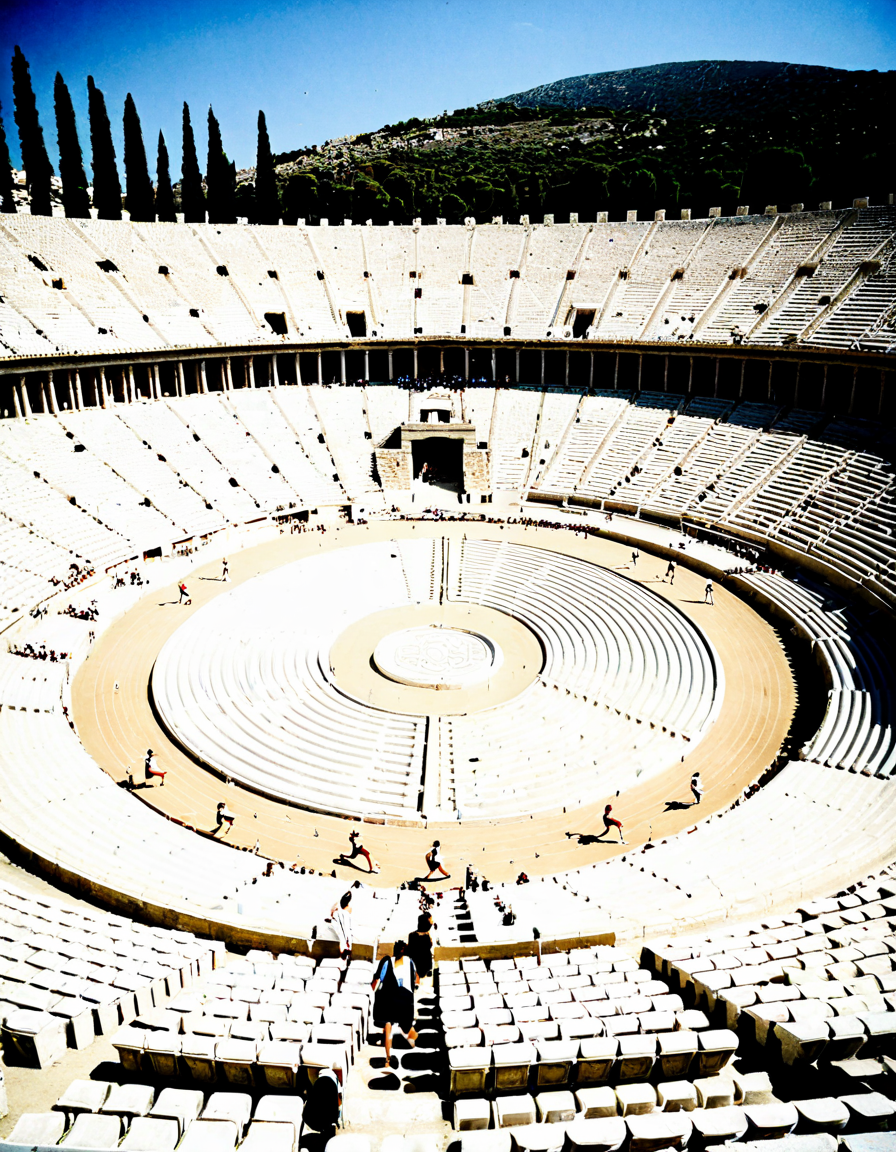
The lasting impact of Greek culture is nothing short of fascinating. From their vibrant philosophy to their enchanting art, the Greeks laid down a foundation that’s still felt today. Did you know that the ancient Greeks invented the concept of the theater? This arena for storytelling morphed into an intricate art form that influenced countless films and performances we enjoy today, including classics like the cast Of The Godfather. Plus, the cultural reverberations of Greek mythology can even be spotted in modern-era entertainment, with characters reminiscent of heroes like Goku from popular anime that captivate audiences worldwide.
A Taste of Greek Contributions
Not only did the Greeks pave the way in the arts, but they also made their mark with athletics, giving us the Olympic Games! Isn’t it remarkable that these games originated as a festival to honor Zeus? This idea subsequently inspired contemporary competitions, not unlike the talents showcased in the exhilarating performances of Buster Poindexter. Speaking of innate talent, the realm of cinema has often turned to Greek tragedies and comedies for inspiration. Just look at how Julia Roberts and her charm resonate with characters inspired by Greek tales—it’s a thread linking ancient and modern storytelling for fans and actors alike!
The Fusion of Culture and Art
Speaking of inspirations, Greek art, especially sculpture, showcased an unparalleled understanding of the human form that artists continue to emulate. Their artistic techniques formed the backbone for generations to come. Even in the music scene, one can trace lineage back to Greek rhythms and melodies, influencing bands like Creedence Clearwater revival and their evocative sound. Furthermore, filmmakers often draw from this rich tapestry, molding narratives with the flair reminiscent of classic Studio Ghibli tales, where dynamic characters embark on unforgettable journeys, reflecting that same spark of creativity rooted in Greek accomplishments.
In the end, understanding Greek culture enriches our appreciation of art and media, providing a vibrant backdrop that’s both significant and entertaining. Whether it’s through films starring the Bridesmaids cast, or the roles captured in timeless Greek narratives, the essence of Greek history continues to inspire and entertain us all.