The Cultural Significance of La Bamba in Modern Times
La Bamba is more than just a catchy tune; it represents a living tapestry of Mexican heritage. Originating from the coastal state of Veracruz, this folk song is a vibrant expression of community spirit, bringing people together through lively rhythms and dynamic dance. When you dive deep into La Bamba’s context today, it’s amazing to see how it transformed from a regional melody into a global sensation that bridges generations and cultures.
Back in the 1960s, La Bamba rose to prominence alongside the Chicano Movement, standing tall as a symbol of pride for Mexican-American identity. Many folks may remember artists like Los Lobos, who played a significant role in reintroducing this classic to a new audience, shining a light on its cultural resonance in modern conversations about identity. A pivotal moment came with the release of the 1987 film “La Bamba,” featuring the life of Ritchie Valens, which not only popularized the song but reignited discussions about cultural representation and pride.
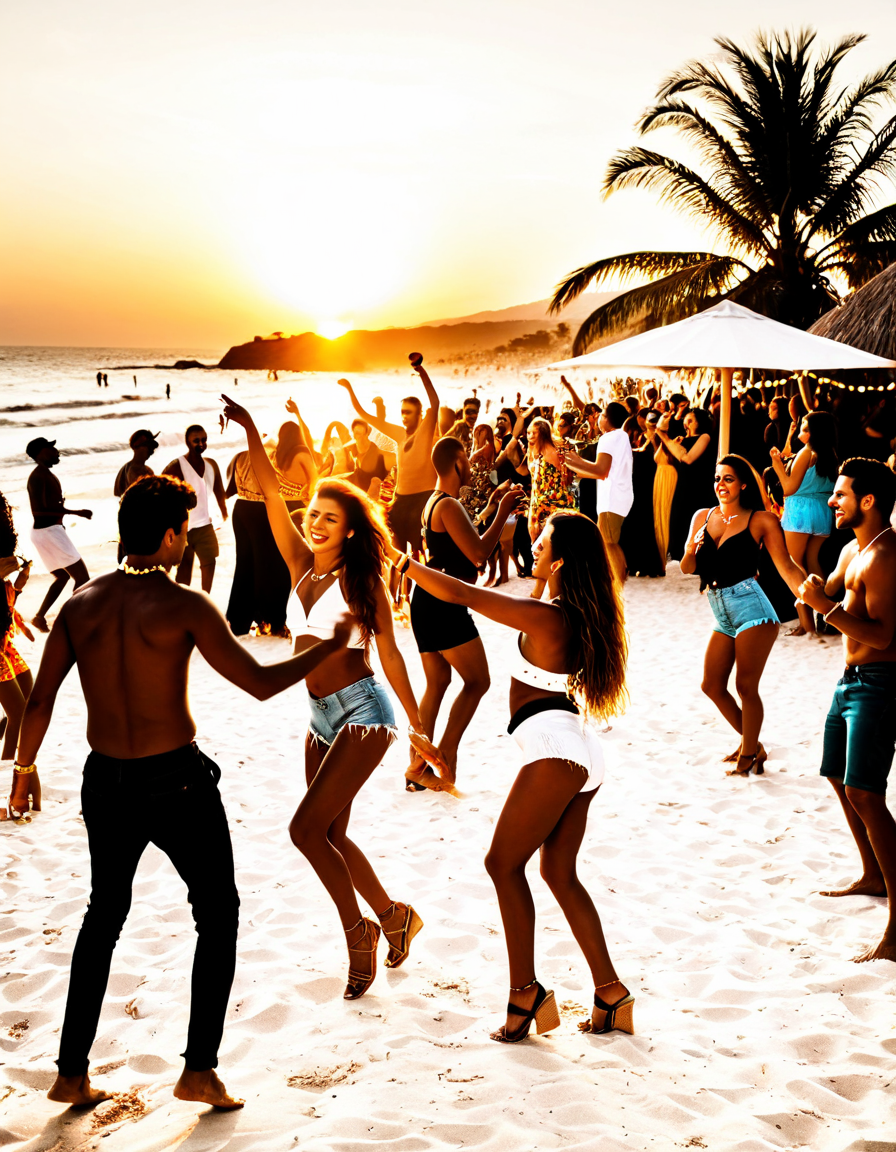
Thus, La Bamba remains a joyous anthem, celebrating resilience and unity across borders. Its contagious energy dances through the air at parties and events, serving as a reminder of the rich cultural tapestry from which it springs. This song encapsulates a spirit of togetherness that resonates universally, transcending geographical boundaries and affecting hearts worldwide.
Top 5 Artists Who Breathed New Life into La Bamba
The American rock band Los Lobos reignited the spirit of La Bamba with their unforgettable 1987 cover. Their fusion of rock, Tex-Mex, and traditional Mexican sounds infused the classic with a fresh energy, propelling it to the top of the Billboard Hot 100. Thanks to their infectious rendition, a diverse audience embraced La Bamba in ways previously unimagined.
Ritchie Valens is often credited with placing La Bamba on the American music map. His iconic version intertwined traditional melodies with rock elements, making it one of the first Latino songs to conquer mainstream airwaves. Valens’ contribution marks a significant moment in rock history, as he paved the way for future Latino artists.
Renowned for his innovative fusion of rock and Latin music, Carlos Santana brings his signature guitar riffs to La Bamba, showcasing its traditional roots. What stands out is how Santana has encouraged collaborative projects across genres, blending cultural influences to create a rich musical tapestry. His versions invite listeners to explore the song deeper, appreciating its historical context.
The Queen of Salsa, Celia Cruz, celebrated La Bamba’s rhythmic essence with her lively interpretations. Her passionate performances have made the song a staple in salsa dance events, ensuring that La Bamba thrives within the Latin music community. Cruz infused the classic with her exuberance, celebrating the song’s joyous spirit.
This contemporary hip-hop group showcased La Bamba’s versatility through creative adaptations. By blending its iconic rhythms with modern pop, The Black Eyed Peas attracted younger audiences and generated a renewed interest in the song. Merging traditional Latin beats with their upbeat style opened doors for La Bamba’s presence in popular culture.
The Evolution of La Bamba Through Generations
La Bamba has adapted through generations, mirroring societal changes and technological advances. In the 1950s, it was a beloved staple within Mexican-American communities; it represented joyful celebrations, weaving itself into family stories and dance traditions. The 1980s revival led by Ritchie Valens and Los Lobos catapulted it into mainstream recognition, ensuring that La Bamba became part of America’s musical fabric.
With the rise of music streaming platforms today, La Bamba finds new life. Modern artists remix traditional songs like La Bamba, introducing it to a fresh audience eager for nostalgia blended with modern flair. Social media has also played a significant role, with TikTok challenges and viral dance trends capturing the hearts of younger generations and promoting the song’s energetic beats.
Ultimately, La Bamba continues to be a vibrant part of social storytelling. Each new interpretation keeps the tradition alive, fostering a culture that celebrates diverse musical expressions while paying homage to the past. With its timeless allure, La Bamba bridges gaps and connects people across different walks of life.
The Impact of La Bamba on Global Music
La Bamba has genuinely revolutionized global music, leaving a profound influence on a range of genres. Its infectious melodies resonate beyond Latin music, inspiring musicians in rock, pop, and even R&B. The simplicity and catchiness of La Bamba have made it an ideal track for collaborations, remixes, and sampling, showcasing the song’s lasting allure.
Moreover, its reach extends far beyond music into the realms of film and advertising. From the dance floors of vibrant Latin clubs to powerful moments in Hollywood, La Bamba’s melody has a universal appeal. It’s featured in commercials and movie soundtracks, turning into a cultural icon that celebrates life’s contagious joy and rhythm.
As we dance to La Bamba’s enduring beats, we witness a celebration of diversity and unity that resonates across cultural lines. The song embodies a global narrative, showing how music fosters connection in a world rich with diverse experiences and expressions.
The Future of La Bamba in Popular Culture
Looking forward, La Bamba’s future seems bright in popular culture. The rise of social media prompts constant exploration and reinterpretation of classic tunes. Collaborations between acclaimed Latin artists and emerging talents pave the way for fresh adaptations, aligning La Bamba with contemporary themes such as social justice, unity, and diversity celebration.
Educational programs increasingly recognize the value of incorporating traditional songs like La Bamba. By teaching younger generations about cultural heritage, they instill an appreciation for its significance, ensuring its legacy endures. Additionally, a resurgence of interest in Latino cultural narratives circles back to the essence of La Bamba, inviting future musicians and audiences to connect with its rich story.
In this colorful journey of La Bamba, the song emerges as an enduring symbol of cultural pride and artistic innovation. It reminds us that music has the power to inspire, uplift, and connect us, ensuring it will continue to be a source of joy for generations to come. So, whether you’re hitting the dance floor or simply enjoying a moment, let the spirit of La Bamba guide your way!
La Bamba: Fun Trivia and Interesting Facts
The Cultural Roots of La Bamba
Did you know that “La Bamba” has deep roots in Mexican culture? Originating in Veracruz, this traditional folk song is part of the son jarocho style, which is characterized by lively rhythms and catchy melodies. Its infectious beat has made it a favorite for celebrations. Remarkably, the song gained further fame when it was featured in the 1987 film about the life of Ritchie Valens, who skyrocketed to fame for his rendition of “La Bamba.” Interestingly, Valens’ legacy still resonates today, much like that of the classic film Steel Magnolias, which shares a similar warm, nostalgic vibe.
Just like how Forest Gump became a cinematic legend, “La Bamba” has made waves beyond music. The song has even been performed at major sporting events, including Sunday Night Football, bringing its vibrant spirit to fans all across the country. You wouldn’t believe how such a seemingly simple tune can create a sense of belonging and celebration, much like the bond between friends in Warlords.
The Power of Adaptation
It’s fascinating how “La Bamba” has transcended its original context. Over the decades, it’s been covered by countless artists, each putting their unique spin on it. A notable interpretation is the one by Los Lobos, which helped introduce this lively tune to a new generation. This adaptability mirrors the musical journeys of various stars like Frankie Muniz, who also made a name for himself in the ever-expanding landscape of entertainment. Adaptation is key—just as the song evolves, so too do the artists who embrace it, reminding us of how music allows for personal expression.
You might be surprised to know that “La Bamba” isn’t just popular in the U.S.; it’s loved around the globe! The song has appeared in various formats, whether in movies, like the quirky Jennifer’s Body or adaptations that highlight its cultural significance. This universality ties back to the adaptability and relevance that “La Bamba” offers. It brings people together, whether you’re dancing at a party or just humming along, similar to how audiences connect with the heartfelt stories in Monroe Sweet.
A Timeless Dance Craze
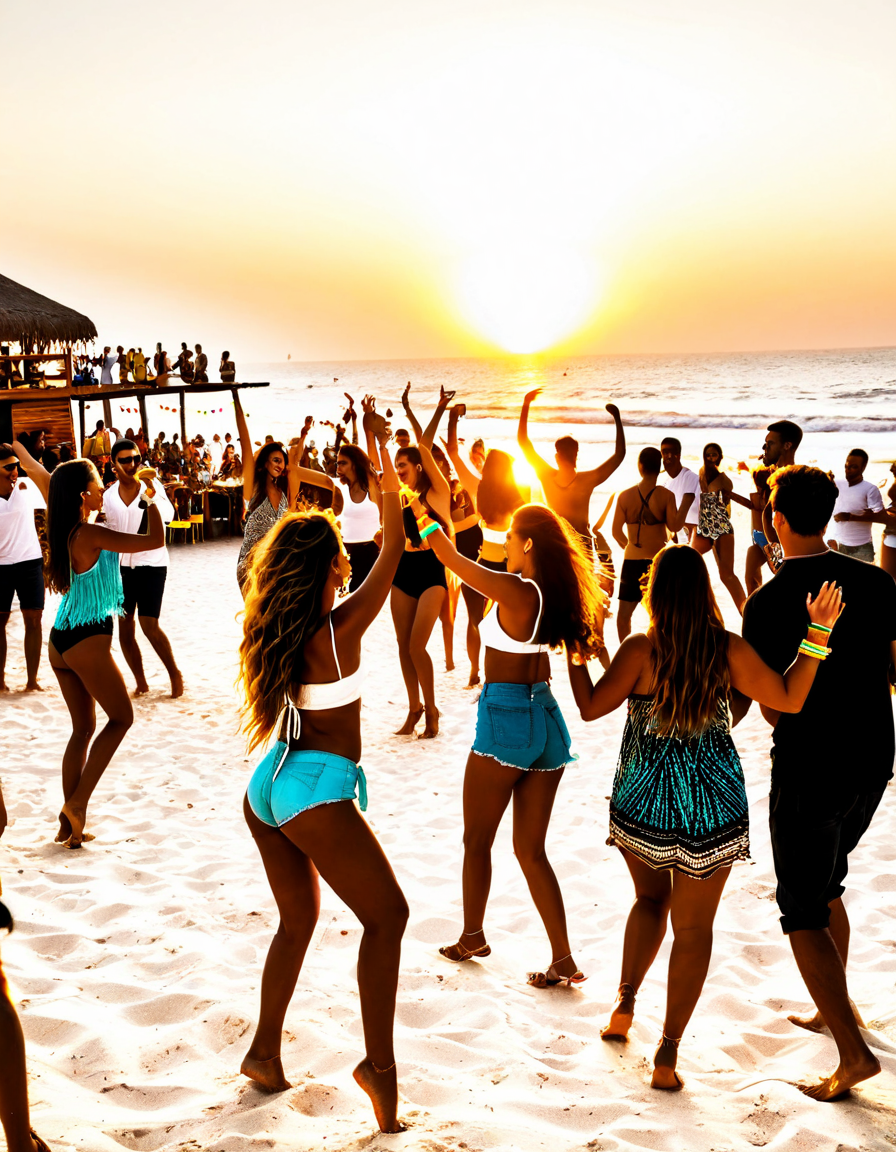
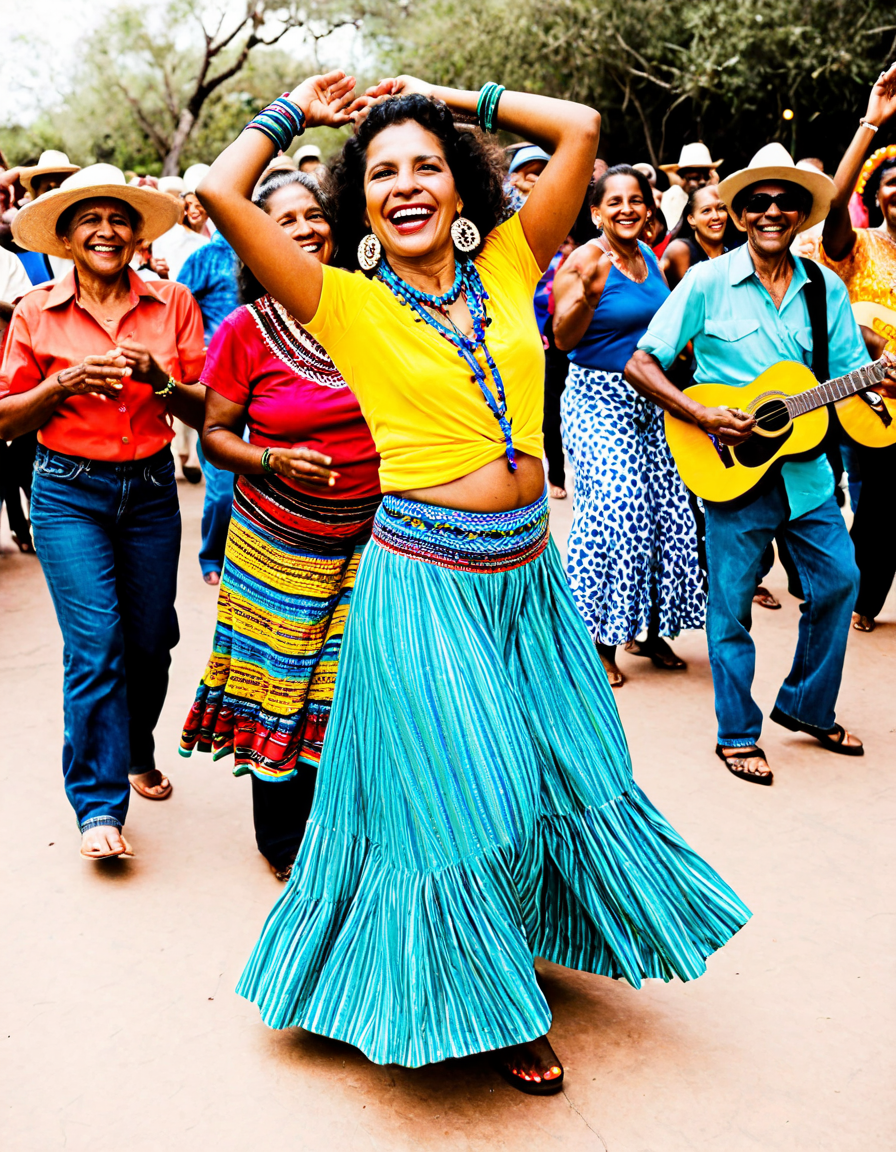
As you’d expect, “La Bamba” isn’t just a song—it’s a dance! The lively steps that go with it can turn any gathering into a fiesta. If you think about the collective enjoyment derived from dancing to “La Bamba,” it parallels the hearts and laughs brought to life in works starring Katie Lowes. Music and dance provide a universal language, one that speaks to the core of our social experiences.
So whether you’re grooving to “La Bamba” at a wedding or belting it out during karaoke night, remember that you’re part of a vibrant tradition. From its humble beginnings to its modern-day fame, “La Bamba” continues to bring joy, celebrate culture, and unite people across generations. Who knew that such a catchy tune could pack this much power—something you might call a true cultural phenomenon, transcending time and place!