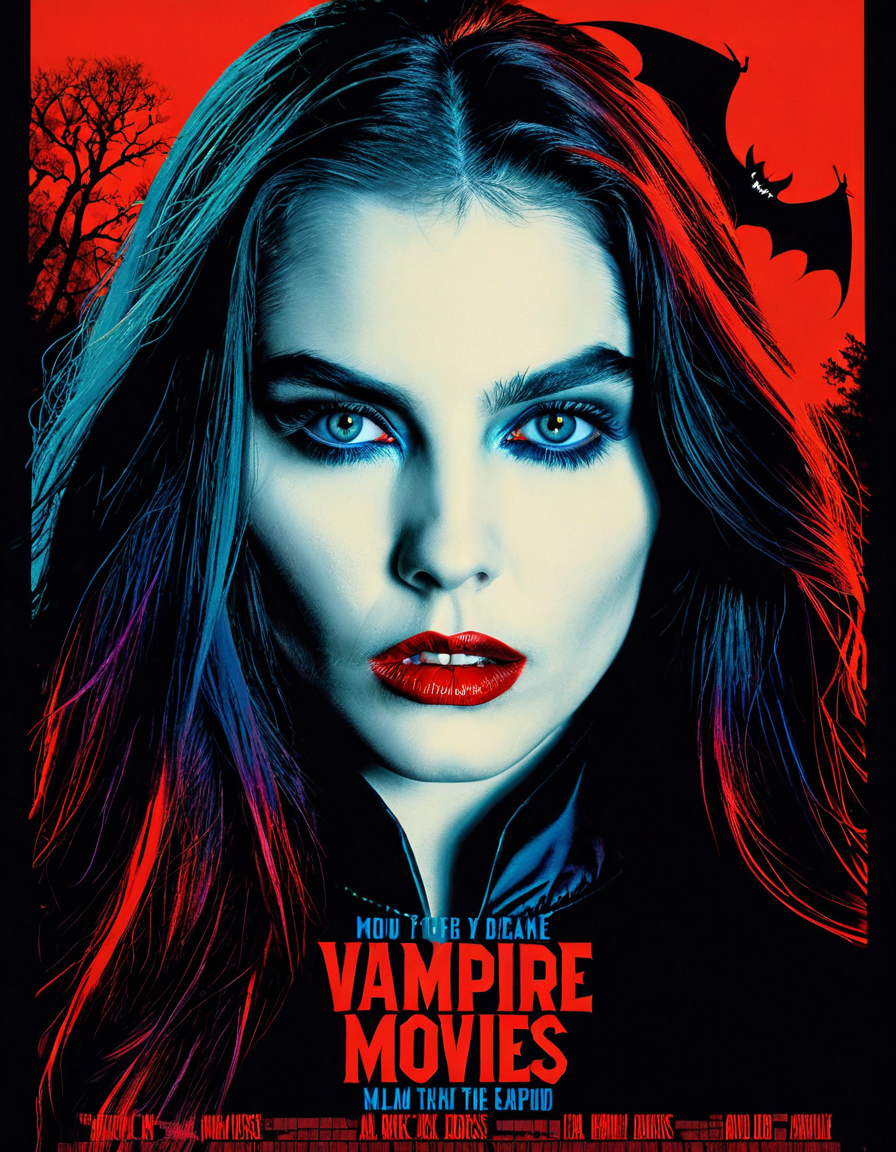
Vampire movies have long held a spell over viewers, enthralling audiences since the dawn of cinema. By weaving tales that transcend time, they explore themes like immortality, lust, and moral ambiguity, delving deep into human experiences. With spooky season right around the corner, it’s the perfect time to dive into the captivating world of vampire films. Get ready for a chilling and fascinating journey through the seven must-see vampire movies that not only haunt but leave a lasting impact!
Top 7 Vampire Movies That Haunt and Captivate Audiences
This Swedish film is a hidden gem, breaking the mold of typical vampire films. It touches on friendship and loneliness, raising questions about love’s nature. Haunting cinematography combines with rich character arcs to create an unforgettable viewing experience. It’s one that’ll stick with you long after the credits roll!
Talk about a refreshing take! This mockumentary offers a hearty mix of horror and humor, showcasing centuries-old vampires dealing with modern life. Bright and clever, the film pokes fun at traditional vampire tropes while still paying respect to the genre that has captured imaginations for generations.
Directed by Jim Jarmusch, this film intertwines romance with existential themes, all wrapped up in a vampire narrative. Set in a post-apocalyptic world, it brings to light the struggles of immortality and the ongoing search for meaning. It’s a prime example of how vampire movies can delve into deeper philosophical waters.
Park Chan-wook’s “Thirst” takes a bold approach to vampirism, examining its psychological aspects through sexuality and faith. The film pushes boundaries with its visual storytelling, challenging conventional horror norms. It solidifies its position in vampire film history as one of the most provocative narratives of our time.
This Iranian film flips the vampire archetype on its head. Following a female vampire in a deserted town, the film explores themes of gender and societal pressures. Combining horror with elements of the western genre, it forces viewers to reconsider what it means to be a vampire in today’s world.
“The Invitation” uses a dinner party setting to create a chilling atmosphere filled with manipulation and emotional hunger. While not a classic vampire film, it taps into the genre’s darker psychological themes, housing enough suspense to set chills down your spine. It’s a brilliant psychological thriller disguised as a horror movie!
Although primarily a slasher film, “Scream” revitalized horror in the ‘90s and shares some DNA with vampire movies. Its playful self-awareness and sharp dialogue echo qualities found in modern vampire cinema, creating a fascinating intertextual dialogue. It showcases how horror, in all its forms, can embrace a myriad of narratives.
The Evolution of Horror and Vampire Movies
The vampire genre is constantly morphing, blending elements from zombie movies and other thriller films. In recent years, filmmakers have broken free from the traditional vampire mold, experimenting with stories that challenge established narratives. For example, Rob Zombie’s influence has paved the way for visceral storytelling that emphasizes raw emotion and realism in horror.
Shows like “What We Do in the Shadows” play a crucial role in modernizing vampire narratives, showcasing how vampires can serve as metaphors for contemporary concerns. They reflect societal anxieties surrounding isolation and misinformation, making the vampire—a being that feeds on others—an even more powerful symbol during these tumultuous times.
Vampire lore isn’t just about fear; it engages with deeper themes affecting our world today. As filmmakers continue to reimagine these creatures, expect future installments to tackle pressing issues like climate change and social justice. The vampire narrative remains a vibrant canvas for critical dialogue, reflecting our ever-evolving landscape.
Cultural Impact and Future Prospects
Vampire movies serve as a mirror reflecting contemporary societal values and fears. Their adaptability ensures their place in cinematic history, captivating audiences with each new tale. As horror movies push boundaries and challenge norms, the blending of the supernatural and ordinary will likely shape future vampire narratives.
Emerging filmmakers will likely tackle themes that resonate with today’s audiences—think technology, isolation, and social justice. By tapping into these current issues, vampire films can stay relevant and continue to haunt viewers in new and unprecedented ways.
Overall, exploring these captivating and haunting vampire movies reveals that their narratives transcend mere horror. They act as vehicles for storytelling that navigates various cultural contexts, leaving audiences both terrified and introspective. As we move forward, the blend of horror and social commentary in vampire tales will undoubtedly thrive, keeping the fire of our fascination alive for years to come!
Vampire Movies That Haunt and Captivate Audiences
The Allure of Vampire Movies
Vampire movies have been intriguing audiences for decades, blending horror and romance in ways that keep viewers on the edge of their seats. Did you know that many of these films owe their allure to the charisma of actors like Ron Ely? His portrayal in the 1970s TV movie The Night Stalker helped set the stage for the vampire genre, making it captivating for future generations. Similarly, Twilight revamped the trope, creating an entire phenomenon that had teens swooning over vampires in an almost Mission in Impossible style—full of action and a bit of fantasy.
Unexpected Facts About Vampire Lore
Interestingly, the roots of vampire lore stretch back centuries and vary widely across cultures. One fun tidbit is that vampires were once seen as unsung hero, often believed to rise from the grave with noble intentions. This perspective shifted over time, turning them into fearsome creatures. But how much do you know about modern interpretations? For example, What We Do in the Shadows, a mockumentary, presents the vampire lifestyle humorously while addressing clichéd themes still present in traditional vampire movies. And asserting a strong narrative can often change one’s notice synonym, especially in a world quick to label.
The Evolution of Vampiric Representation
With films like Let the Right One In showcasing a blend of innocence and horror, it’s clear that vampire movies continuously evolve. You might even rethink the archetypal vampire every time you see a lingerie skirt on screen; for many, these small details help enhance the portrayal of modern vampires as both alluring and sinister. Another surprising fact is that Jesse Tyler ferguson has appeared in vampire-themed shorts, adding to the genre’s depth that goes beyond horror.
Now, let’s not forget the crossovers with superheroes—characters like Clark Kent have been reimagined in various vampire films, blending genres where heroes and monsters have more in common than we realize. It’s fascinating how the genre continues to adapt, reflecting societal changes through its characters and storylines while keeping us hooked to our screens. So, whether you fancy classic horror or newer iterations that push boundaries, there’s always something hauntingly delightful in the world of vampire movies!