When you think of the yakuza, images of enigmatic tattooed figures often pop into your mind. Yet, the yakuza isn’t just a facet of Japan’s criminal underbelly; they play a significant role in the country’s culture and society as a whole. Their influence stretches back hundreds of years and is woven into the fabric of modern Japan. This article dives into the yakuza’s roots, their cultural impact, and the ever-evolving nature of their operations, offering a comprehensive look at this fascinating organization.
1. The Yakuza: Roots and Evolution
Understanding the Historical Context
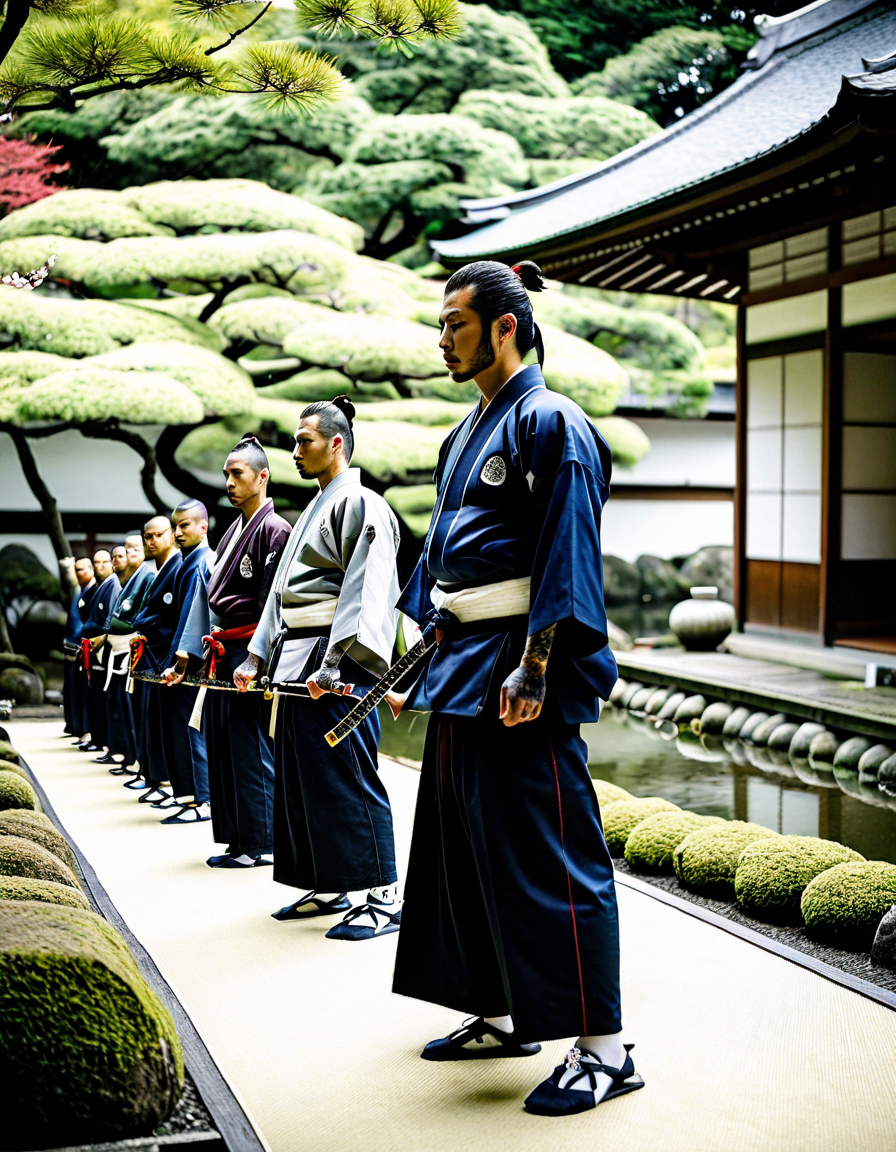
To truly grasp the yakuza’s powerful influence, we need to look back at their origins in the Edo period of Japan. Initially, these groups emerged from a mix of gamblers and societal outcasts, operating on the fringes of society. Over time, they evolved into an intricate organization engaged in both illegal activities and legitimate business operations. Key historical moments, such as the Meiji Restoration and World War II, further shaped their trajectory, cementing their role as key players in Japan’s socio-economic landscape.
The Meiji Restoration sparked modernization in Japan, which in turn offered new opportunities and challenges for the yakuza. Instead of being purely involved in gambling or petty crime, these groups began to engage in more diversified activities, including protection rackets and even entering legal businesses during the post-war era. It’s crucial to understand that with each transformation, the yakuza adapted their code of honor, making them resilient and influential.
The yakuza have often been romanticized in media, but their roots reveal a side that’s more complex than what’s typically shown in Hollywood films. Their emergence from local sentiments of distrust towards authority and their morphing into organized crime highlights a multi-dimensional narrative that goes beyond mere villainy.
2. Top 7 Yakuza Influences on Japanese Culture
Integrating Tradition with Modernity
The yakuza’s thumbprint is visible across numerous aspects of Japanese culture. Here are seven key influences:
Yakuza tattoos, often breathtakingly intricate, symbolize bravery and strength. Artists like Horiyoshi III have gained acclaim both in Japan and globally for their work, pushing boundaries in body art and challenging traditional societal perceptions.
Films like “Yakuza Apocalypse” by Takashi Miike offer a stylized glimpse into yakuza life. But deeper documentaries like “Yakuza: Japan’s Criminal Underworld” provide a raw look, shaping current societal views on these organizations.
The yakuza’s influence isn’t confined to serious narratives. Musicians such as Conan Gray incorporate themes from yakuza stories into their songs, capturing the complexity of societal issues and the underdog spirit.
Some yakuza factions have branched into legitimate sectors, like construction and waste management, showcasing a blend of illegal and legal capitalism. This is a savvy move that keeps their operational balance quite fluid.
Rituals like the Sakazuki, or cup-sharing, epitomize loyalty and brotherhood, core values that echo throughout both yakuza culture and mainstream Japanese society.
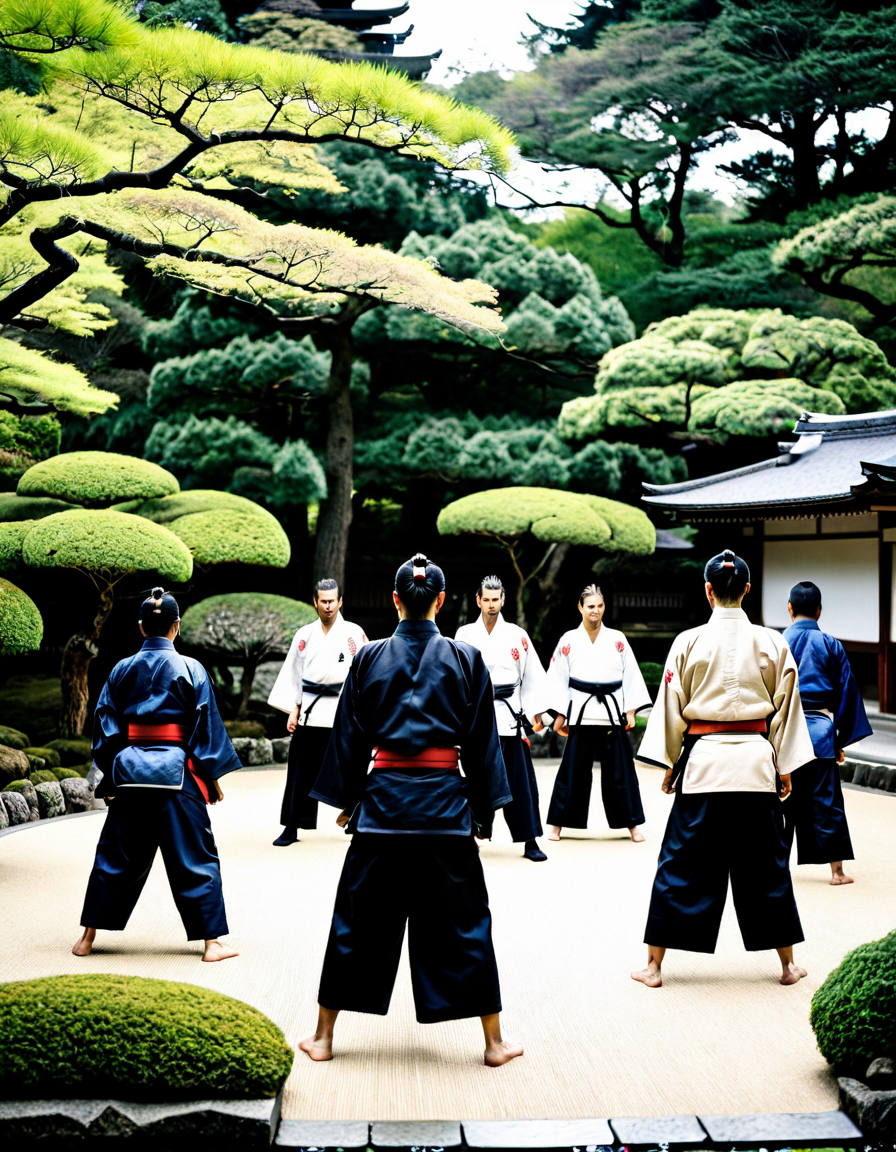
Yakuza fighting styles often embody principles found in jiu jitsu, where strategy and adaptability are key. This martial arts influence cultivates discipline and respect—qualities valued both in and outside yakuza ranks.
While their reputation may seem solely tied to crime, yakuza groups frequently participate in charitable endeavors, particularly during emergencies. Their involvement positions them as ‘benevolent protectors’ during national crises, like after the 2011 Tōhoku earthquake.
3. The Organizational Structure: Brotherhood and Hierarchy
Navigating the Layers of Loyalty
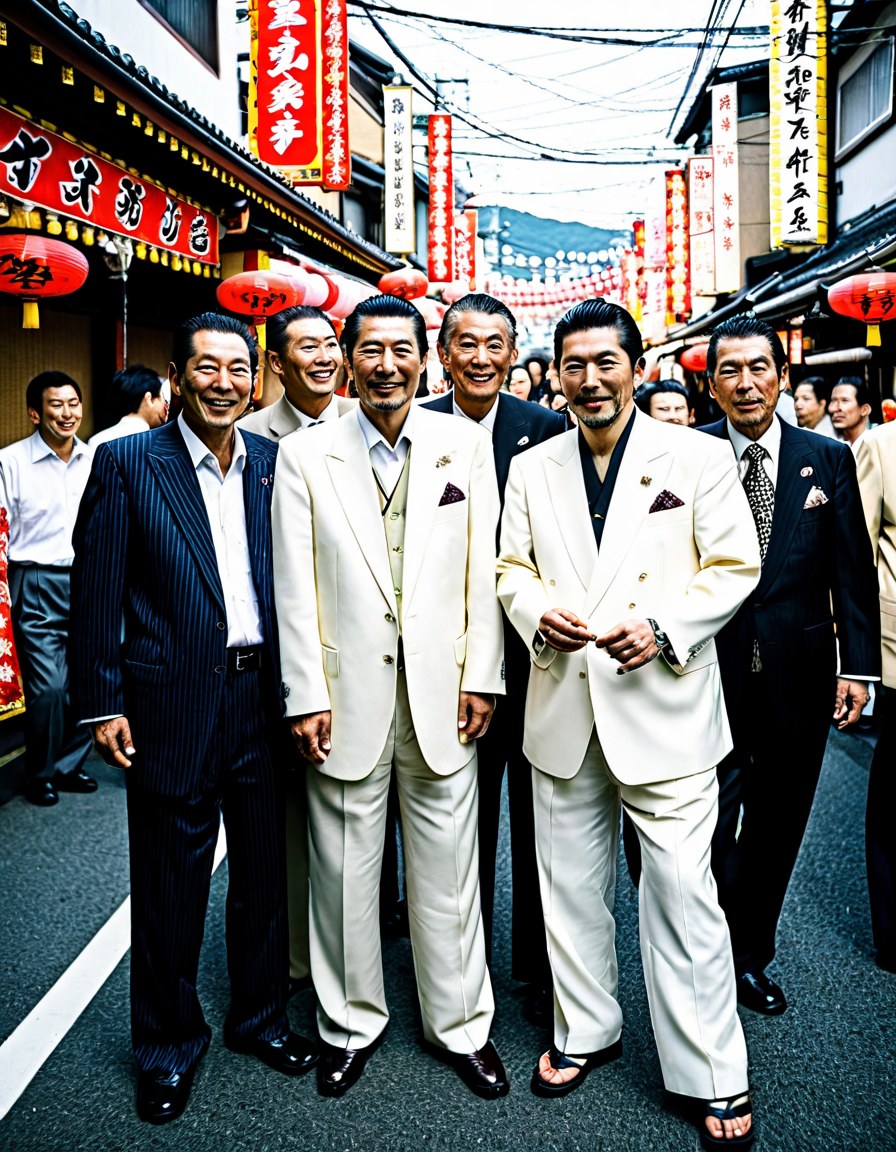
The yakuza operates as a tightly-knit family, where loyalty is the lifeblood of their existence. This hierarchical structure centers around the oyabun (boss) and kobun (subordinates), reflecting deep-seated principles of loyalty, respect, and duty. The dynamics often lead to intense personal relationships and conflicts, offering a mixture of support and pressure.
Within this framework, individuals are expected to sacrifice for the group. This strong familial bond creates a unique social fabric that often contrasts with the fast-paced, individualistic culture seen elsewhere. Loyalty is not just a word here; it’s a practice that dictates daily interactions, decisions, and, sometimes, even life choices.
Moreover, the recruits or kobun don’t just join an organization; they enter a community where their survival and success hinge on mutual trust and camaraderie, challenging societal norms around crime and allegiance.
4. The Yakuza and the Changing Landscape of Crime
Adapting to Modern Challenges
As the world shifts, so does the yakuza. With intensified law enforcement scrutiny and societal change, they’ve had to pivot their operations significantly. By integrating digital technology, they’ve entered avenues like cybercrime and online money laundering, illustrating their capacity to adapt in a rapidly changing landscape.
As new laws and societal attitudes evolve, yakuza groups find themselves redefined. While some cling to traditional methods, others embrace innovation, showing their resilience in the face of adversity. They may appear to operate in shadows, but their ability to transform is a testament to their enduring nature.
The ice-cold reality is that the yakuza symbolizes a fascinating paradox—an organization steeped in tradition yet continually evolving, negotiating its path through the ever-complicated world of crime.
5. The Globalization of Yakuza Culture
Beyond Borders and Boundaries
Yakuza culture is not solely a Japanese phenomenon; its influence has rippled globally. Their portrayal in Western media, particularly in gaming like the “Yakuza” series, has sparked a worldwide fascination with their image and narrative. This cross-cultural exchange fuels a deeper interest in yakuza life beyond Japan’s borders.
Moreover, transnational crime syndicates often adopt yakuza methods, reflecting their global impact on crime and organization. This dissemination of ideas and structures fosters a new way of understanding crime’s evolution in a rapidly globalizing society.
With each adaptation from the far reaches of Japan to urban streets worldwide, the yakuza’s cultural presence becomes increasingly formidable, shaping dialogues around crime and culture on a global scale.
6. Exposing Myths: The Real Yakuza vs. Hollywood Portrayals
Distinguishing Fact from Fiction
Much of what we think we know about the yakuza has been colored by sensational Hollywood portrayals. While films often exaggerate violence and create larger-than-life characters, the reality of yakuza life encompasses complex human experiences of loyalty, love, and redemption.
By stripping away the glamor and delving into the real narratives, we uncover the multi-dimensional lives of yakuza members. Human stories, preoccupations with identity, and struggles shape their existence far more than what’s depicted in movie theaters.
It’s essential to recognize that the yakuza, much like any social group, embodies a spectrum of experiences—far removed from the popcorn-movie stereotypes often seen on screen.
7. Future Prospects: Where Does the Yakuza Go from Here?
Navigating Current Trends and Opinions
As we stride into the future, the yakuza stands at a crossroads, contending with shifting perceptions around crime, law, and tradition. Societal evolution may lead them to rejuvenate their operations or face increasing marginalization.
The potential for reforms within the organization could pave the way to a modernized yakuza that retains core values while adapting to the contemporary world. How they respond to these changes will dictate their survival and evolution moving forward.
In conclusion, the multifaceted influence of the yakuza continues to shape various aspects of Japanese culture. From art to business, their impact is profound. By comprehending this intricate relationship, we gain insights not just into the yakuza but into the currents of Japanese society that challenge and enrich its narrative today.
Through the lens of this storied organization, we see reflections of broader human experiences, urging us to think critically about our values and the complexities of societal structures around the globe.
Yakuza: Fascinating Facts and Trivia
Origins and History of the Yakuza
The yakuza have roots tracing back to the 17th century in Japan, where they began as street merchants and gamblers. Interestingly, their ties to the underworld evolved over time. They morphed into organized crime syndicates, forming a structure that’s still present today. Did you know that the word “yakuza” comes from a losing hand in a traditional card game? The phrase “ya” means eight, “ku” is nine, and “za” signifies three, representing poor fortune in gambling. So, in a way, their name reflects the life of chance and risk, much like the clueless Outfits sports stars sometimes wear to games, showing that style can sometimes be just as unpredictable.
The Visual Culture of Yakuza
A striking feature of the yakuza is their intricate tattoos. These elaborate artworks can cover large areas of the body, often depicting mythical creatures or significant cultural stories. For many in the yakuza, it’s not just about body art; it’s a rite of passage. Contrast this with pop culture, where celebrities like Alanis Morissette And others use their tattoos as self-expression in a more mainstream context. Speaking of pop icons, have you ever noticed how some, like Conan Gray, manage to weave storytelling into their lyrics? Similarly, yakuza tattoos often tell a story—one of valor, loyalty, and, at times, regret.
Rituals and Codes of Conduct
Yakuza members adhere to a strict code that emphasizes loyalty, respect, and honor. This bond is so robust that betrayal often results in severe consequences. Such devotion can remind us of how passionate fans are about their sports teams, like in the fierce rivalry of the “Ravens vs. Packers.” The way yakuza engage in traditional rituals, such as the “oisai” or the “water of the river,” is quite surreal and underscores their commitment to their lifestyle. This legacy is much like the dedicated fans who line up at Waitrose Truro for a chance to snag a rare item—they treasure every moment and connection.
Pop Culture Representations
Over the years, yakuza have been portrayed in numerous films and television series, often depicted with a blend of respect and intrigue. Their mystique captivates audiences, which is perhaps why so many enjoy tales where the yakuza play pivotal roles, much like the antics of The Grinch during the holidays. The stories often highlight the complexity of their culture, comparable to how Cage The Elephant captures raw emotions in their music, resonating with a broad audience. Yakuza’s gritty reality often intersects with charming tales found in other art forms, leading to a fascinating exploration of human emotion and life choices, much like the unconventional narratives in Hui Tou xiang cuisine or the boldness that led to the gossip surrounding Zoe Kravitz nude appearances.
The blend of tradition with modernity makes the yakuza a compelling topic of discussion. For anyone interested in understanding their culture, the yakuza are more than just a criminal organization; they are a living link to Japan’s past and its cultural evolution.